What red flags/green lights identify quality indie hidden gems?

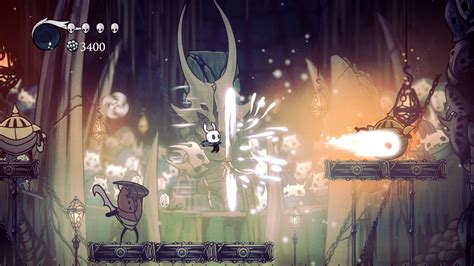
The vast digital landscape of indie games is a double-edged sword: a treasure trove of creativity and innovation, but also a minefield of unfinished projects and unfulfilled promises. For every Stardew Valley or Hollow Knight, there are countless titles that never quite hit the mark. So, how do discerning players identify those rare, high-quality hidden gems amidst the noise?
Navigating the Indie Landscape: Red Flags
Understanding what constitutes a “red flag” is crucial for sifting through the dross. These are not always deal-breakers, but they should certainly raise an eyebrow and prompt further investigation.
Generic Aesthetics & Asset Flips
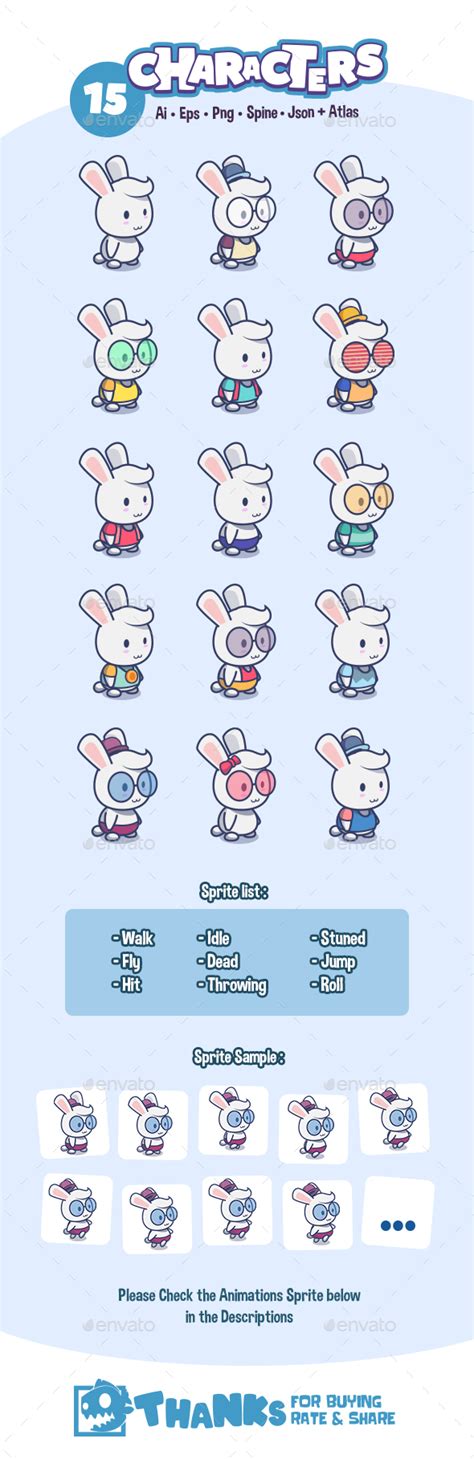
One of the most immediate red flags is a game that looks indistinguishable from a dozen others. Over-reliance on stock assets, generic art styles, or a complete lack of visual identity often suggests a lack of original vision or development resources. While not every game needs revolutionary graphics, a unique aesthetic or a strong sense of artistic direction is often a hallmark of passion.
Another related red flag is the “asset flip,” where a game appears to be cobbled together from store-bought assets with minimal original work. This usually points to a lack of genuine development effort and often results in shallow, uninspired gameplay.
Vague Marketing & Unrealistic Promises
Be wary of marketing materials that are all sizzle and no steak. If a game’s description or trailers are filled with buzzwords like “revolutionary,” “epic,” or “game-changing” but fail to clearly articulate core gameplay mechanics or unique features, it might be hiding a lack of substance. Similarly, promises of vast content or groundbreaking features from a small, unknown team can often lead to disappointment.
Scant or Suspicious Reviews
While a low number of reviews isn’t inherently bad for a hidden gem, the nature of those reviews matters. A slew of extremely short, overly positive, or suspiciously similar reviews can indicate review manipulation. Conversely, a complete absence of meaningful feedback, even after release, might suggest a lack of community engagement or interest.
Green Lights: Spotting True Brilliance
On the flip side, there are clear indicators that a game might be a true diamond in the rough. These “green lights” often signal a committed development team, a strong vision, and a genuinely enjoyable experience.
Unique Vision & Cohesive Design
A strong green light is a game with a clear, unique vision. This could manifest in an innovative gameplay mechanic, a distinct art style, a compelling narrative, or a fresh take on a familiar genre. When all elements – art, sound, gameplay, story – feel cohesive and intentional, it’s a strong sign of quality. Think of games that defy easy categorization because they forge their own path.

Polished Demos & Early Access Commitment
Many indie games offer demos or enter Early Access. A polished, well-functioning demo that leaves a positive impression is an excellent green light. For Early Access titles, consistent updates, transparent communication from developers about their roadmap, and active engagement with player feedback are vital. This demonstrates a commitment to refining the game and a respect for their community.
Passionate Developer Communication
Developers who genuinely care about their project often exhibit passion through their communication. Look for active presence on social media, detailed development blogs, and responsiveness to player questions and bug reports. A developer who is invested in their creation and its community is far more likely to deliver a quality product.

Word-of-Mouth & Trustworthy Recommendations
While not a direct feature of the game itself, positive word-of-mouth from trusted gaming communities, niche content creators, or friends can be a powerful green light. Hidden gems often spread organically because their quality speaks for itself, even without massive marketing budgets. These recommendations typically come from players who genuinely enjoyed the experience and want others to discover it.

The Thrill of Discovery
Ultimately, identifying quality indie hidden gems is a skill honed through experience and a little bit of intuition. By being aware of common red flags and actively seeking out green lights, players can increase their chances of unearthing truly memorable experiences. The journey of discovery is part of the fun, and the reward of finding that perfect, unexpected game makes all the careful vetting worthwhile.