



What are the best strategies to discover and vet quality indie hidden gems?

The Quest for Unpolished Diamonds: Why Indie Gems Matter
In a gaming landscape dominated by AAA blockbusters, independent games often serve as fertile ground for innovation, unique narratives, and groundbreaking mechanics. These “indie hidden gems” provide fresh perspectives and unforgettable experiences that might otherwise be overlooked. However, the sheer volume of new releases makes sifting through the noise a daunting task. Finding those quality titles requires more than just luck; it demands a strategic approach to both discovery and vetting.

Strategic Discovery: Where to Unearth Potential Gems
The journey to finding a quality indie hidden gem begins with knowing where to look beyond mainstream channels. Diversifying your sources is key:
- Curated Review Sites & Niche Blogs: Websites like Rock, Paper, Shotgun, PC Gamer’s indie section, or even smaller, dedicated indie game blogs often highlight promising titles before they hit the big time. Look for curators with a consistent track record and a similar taste profile to your own.
- Community Forums & Discord Servers: Engaged communities on platforms like Reddit (r/indiegames, r/patientgamers), specialized Discord servers for indie publishers, or even specific game genres are invaluable. Players often share early impressions, upcoming releases, and discuss overlooked titles.
- Game Jams & Developer Blogs: Following game jam events (e.g., Ludum Dare, Global Game Jam) and independent developer blogs can give you a peek at games in their nascent stages. Some of the most innovative concepts begin here.
- Streaming Platforms & YouTube Channels: Many smaller streamers and YouTubers dedicate their content to showcasing lesser-known indie titles. Watching gameplay footage can provide an authentic sense of a game’s mechanics and appeal without requiring a purchase.
- Digital Storefront Filters & Wishlists: While broad, platforms like Steam, itch.io, or GOG offer robust filtering options. Utilizing tags, release date filters, and keeping an eye on your wishlist (which often suggests similar titles) can help narrow down vast libraries.
The Art of Vetting: Separating Gold from Gimmicks
Once you’ve discovered a potential gem, the next critical step is to vet its quality. Not every indie game is a masterpiece, and distinguishing between genuine innovation and unpolished potential is crucial.
1. Demo Playthroughs and Early Access Feedback
The best way to gauge a game’s quality is to play it. Many indie developers offer free demos. Take advantage of these to test core mechanics, performance, and overall feel. For Early Access titles, scrutinize player reviews from those who have spent significant time with the game. Look for feedback on progress, developer communication, and stability.

2. Developer Communication & Roadmap
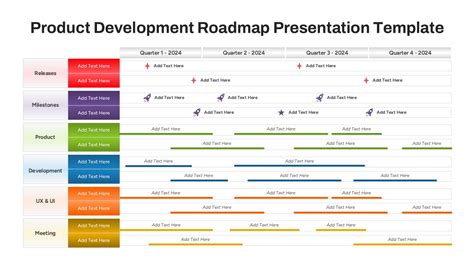
A transparent and communicative development team is a strong indicator of a game’s potential. Check for active social media presence, regular development updates, and a clear roadmap for future content or fixes. A developer responsive to community feedback often indicates a commitment to quality and longevity.
3. Community Sentiment & Player Reviews
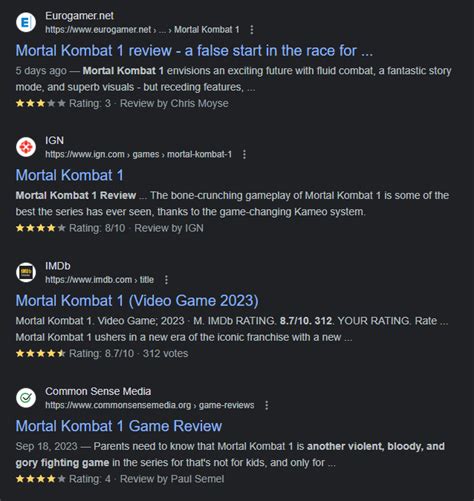
Beyond professional reviews, player reviews on storefronts, forums, and social media provide a collective sense of a game’s reception. Look beyond just the numerical score; read detailed reviews that explain why players liked or disliked a game. Pay attention to recurring themes regarding bugs, gameplay loops, or performance issues.
4. Art Style & Gameplay Footage Analysis
While subjective, a consistent and well-executed art style can speak volumes about a game’s polish. Watch extended gameplay footage, not just trailers, to understand the minute-to-minute experience. Does the gameplay loop seem engaging? Are animations fluid? Does the UI/UX feel intuitive?
5. Minimum System Requirements & Technical Stability
Before committing, always check the minimum system requirements. For PC games, look for reviews or discussions specifically addressing performance issues, optimization, and potential bugs. An otherwise brilliant game can be marred by poor technical execution.

Conclusion: The Rewarding Hunt
Discovering and vetting quality indie hidden gems is a journey that requires patience, active engagement with various communities, and a critical eye. By employing these strategies, you’ll not only enhance your gaming library with unique and memorable experiences but also support the independent developers who pour their passion into creating them. The reward of unearthing that perfect, overlooked title is an unparalleled satisfaction for any true gamer.