


How to spot truly F2P friendly gacha games from predatory monetization schemes?

The world of free-to-play (F2P) gacha games is a double-edged sword. On one hand, they offer engaging gameplay, rich stories, and often high-quality graphics without an upfront cost. On the other, their monetization models can range from perfectly fair to aggressively predatory, designed to compel players into spending substantial amounts of money. For new and veteran players alike, discerning a truly F2P-friendly experience from a cash-guzzling scheme is crucial for long-term enjoyment and financial well-being.
Understanding F2P-Friendly Gacha Mechanics
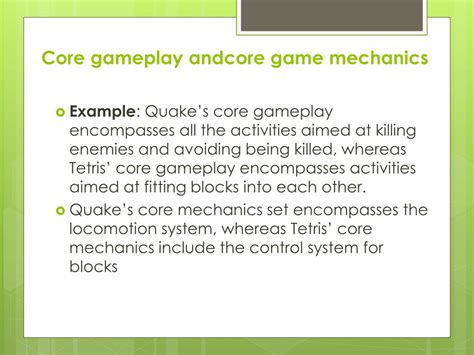
A truly F2P-friendly gacha game prioritizes player enjoyment and progression, even for those who choose not to spend. This doesn’t mean developers don’t need to make money, but rather that their monetization is supplemental, not essential, for core gameplay. Look for several key indicators:
- Generous Premium Currency: F2P-friendly games provide ample opportunities to earn premium currency through daily quests, story progression, events, achievements, and maintenance compensation. You should feel like you can regularly make pulls without feeling starved.
- Reasonable Pull Rates and Pity Systems: While gacha by nature involves randomness, fair games often have transparent and achievable pull rates for desirable units. More importantly, robust pity systems (guaranteed rare unit after a certain number of failed pulls) ensure that players, even F2P, can eventually acquire target characters or items through persistence.
- Viable F2P Units and Progression: The core content, including story, challenges, and most events, should be clearable with units obtainable through gameplay, without needing to roll for the rarest characters. The game should offer accessible ways to enhance these F2P units to make them competitive.
- Meaningful Events and Rewards: Events should be designed to be completable by F2P players, offering valuable resources, currency, and sometimes even free premium characters or weapons. They shouldn’t be insurmountable without significant spending.
- Clear End-Game Paths: Beyond the initial honeymoon phase, a good F2P game will have sustainable end-game content that F2P players can engage with and progress in, offering continuous rewards and challenges.
![Gacha - [Server opening events] Login everyday and claim your rewards.😍 ...](/images/aHR0cHM6Ly90czMubW0uYmluZy5uZXQvdGg/aWQ9T0lQLm5SNm1wVlNrdGJKVmRkQmtQNmR2MlFIYUQ0JnBpZD0xNS4x.webp)
Identifying Predatory Monetization Schemes
On the flip side, predatory gacha games often employ psychological tactics and frustrating design choices to push players towards spending. Be wary of these red flags:
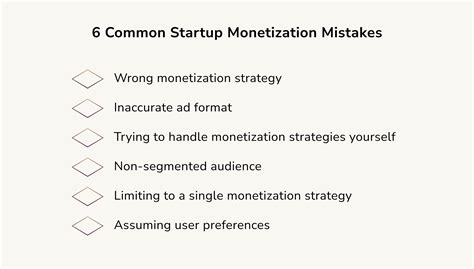
- Aggressive Pop-Ups and Limited-Time Offers: Constant, intrusive pop-ups promoting bundles, often with misleading “sale” tags, are a tell-tale sign. These offers often expire quickly, creating a sense of urgency and fear of missing out (FOMO).
- Obscure or Non-Existent Pity Systems: Games with extremely low pull rates and no safety net for unlucky players are designed to drain wallets. Without a guaranteed acquisition path, players can spend indefinitely with no return.
- “Pay-to-Win” Walls: If core content or competitive modes become impossible without owning specific, rare, or often monetized units, the game is likely pay-to-win. This is especially true if non-spenders hit a wall early in their progression.
- Rapid Power Creep: A game that constantly introduces new, significantly stronger units that quickly render older, previously powerful units obsolete forces players to continuously spend to keep up. This can be particularly frustrating for those who invested heavily in previous characters.
- Gating Essential Features or Progress: Limiting essential features (like inventory space, energy regeneration, or access to critical progression materials) behind paywalls, or making their F2P acquisition painfully slow, is a common tactic to frustrate players into spending.
- Unfair PvP or Ranking Systems: If competitive modes are entirely dominated by whales (heavy spenders) with no chance for F2P players to climb ranks or earn meaningful rewards, it exacerbates the feeling of being left behind.
How to Research a Game Before Investing Time (or Money)
Before diving deep into a new gacha game, a little research can save you a lot of frustration:
Check Community Sentiment: Visit Reddit, official forums, and Discord servers. What are long-term players saying about the game’s generosity, updates, and overall health? Negative feedback on monetization is a huge red flag.
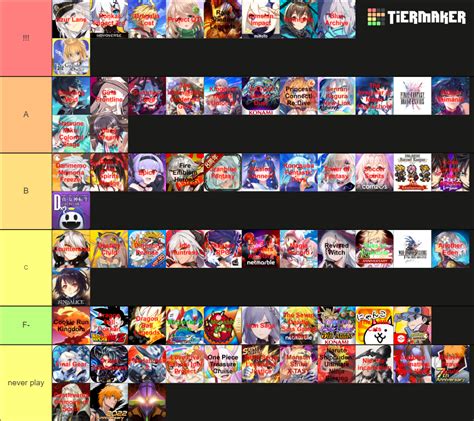
Watch F2P Progress Videos: Many content creators specialize in F2P guides and showcases. These can give you a realistic idea of what your progression will look like without spending.
Examine Event Cycles: Pay attention to how frequently desirable characters are reran, how accessible event currencies are, and if events offer meaningful rewards for F2P players.
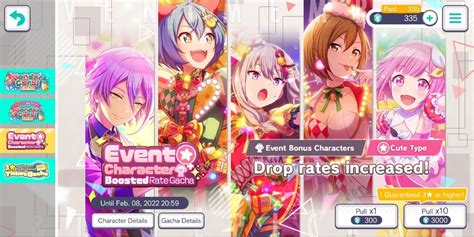
Look at the Shop: Browse the in-game shop early on. Does it overwhelm you with offers? Are there numerous “limited-time” bundles? This can give you a hint about the game’s overall monetization philosophy.
Conclusion: Play Smart, Not Hard
The gacha genre offers incredible gaming experiences, but it demands a discerning eye from its players. By understanding the hallmarks of both F2P-friendly design and predatory monetization, you can make informed choices, protect your wallet, and truly enjoy the games you play. Remember, a game should be fun and rewarding, not a constant pressure cooker to spend.