Practical tips for managing kids’ daily video game screen time?

Navigating the Digital Playground: Practical Screen Time Management
In today’s digital age, video games are an undeniable part of many children’s lives. While they can offer entertainment and even educational benefits, excessive screen time can lead to challenges, from disrupted sleep to reduced physical activity. For parents, striking a healthy balance is key. It’s not about outright banning games, but about teaching moderation and responsible usage. Here are some practical tips to help you manage your kids’ daily video game screen time effectively.
Establish Clear Rules and Expectations
The first step is to sit down with your children and collaboratively establish clear, consistent rules about video game usage. Discuss limits on daily or weekly play time, acceptable times for gaming (e.g., after homework, before dinner), and consequences for not adhering to these rules. Involving them in the rule-making process can foster a sense of ownership and make them more likely to follow the guidelines.

Utilize Timers and Schedules
Once rules are set, consistency is paramount. Use a visual timer, a kitchen timer, or even a digital timer on a smart device to track screen time. When the timer goes off, the game stops. Creating a visual schedule that integrates screen time alongside other activities like homework, chores, outdoor play, and reading can help children understand their day’s structure and when gaming fits in.
Designate Screen-Free Zones and Times
Identify specific times or areas in your home where screens are off-limits. Meal times should always be screen-free zones, promoting family conversation and connection. Bedrooms, especially close to bedtime, are also excellent candidates for screen-free status to ensure better sleep hygiene. Encourage engaging in other activities during these periods.

Encourage Alternative Activities
Children are often drawn to screens out of boredom. Actively encourage and provide opportunities for engaging in non-screen activities. This could include reading, playing board games, creative arts and crafts, outdoor play, sports, or helping with household chores. The goal is to offer compelling alternatives that capture their interest and curiosity.
Lead by Example
Children are keen observers, and they often mirror their parents’ behavior. If you’re constantly on your phone or tablet, it’s harder to enforce screen time limits for them. Model healthy digital habits by putting away your own devices during family time, meals, and before bed. Show them the joy of offline activities and balanced living.

Communicate and Involve Kids
Open dialogue is crucial. Talk to your kids about *why* these rules are in place – explain the importance of balance, physical activity, good sleep, and social interaction. Listen to their perspectives and concerns, and be willing to adjust rules slightly if their arguments are reasonable, fostering trust and cooperation.
Leverage Parental Control Tools
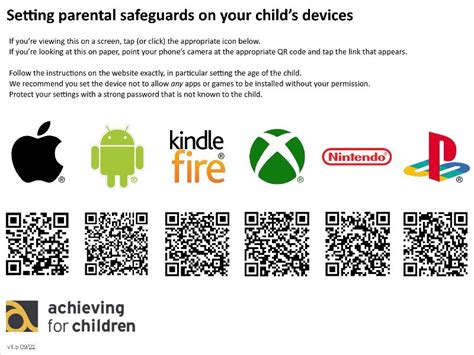
Most gaming consoles, computers, and mobile devices offer built-in parental control settings. These tools can help you set time limits, restrict access to certain games or content, and even manage online interactions. Familiarize yourself with these features and use them to support your family’s screen time rules. While not a replacement for communication, they can be a helpful enforcement mechanism.
Monitor Content, Not Just Time
Beyond how long they play, pay attention to *what* they are playing. Ensure games are age-appropriate and don’t promote excessive violence or inappropriate themes. Many games offer excellent problem-solving opportunities or foster creativity, while others might be less beneficial. Engage with your kids about their favorite games, asking questions about what they like and what they’re learning.
Reward Good Behavior
Positive reinforcement can be a powerful tool. Acknowledge and praise your children when they follow the screen time rules, transition smoothly from gaming, or choose alternative activities. Consider a reward system, like earning extra screen time (within limits), a special outing, or a small toy, for consistent adherence to the rules. This reinforces the idea that responsible behavior has positive outcomes.

Conclusion
Managing kids’ video game screen time is an ongoing process that requires patience, consistency, and a willingness to adapt. By setting clear boundaries, offering alternatives, leading by example, and maintaining open communication, parents can help their children develop healthy digital habits that contribute to a balanced and fulfilling life. Remember, the goal is not to eliminate screens, but to integrate them responsibly into a diverse range of activities.