How to choose the best educational & age-appropriate games?

The Power of Play: More Than Just Fun
In today’s fast-paced world, parents are constantly seeking ways to enrich their children’s learning experiences. Educational games, when chosen thoughtfully, offer a powerful blend of fun and development. Far from just entertainment, the right games can sharpen cognitive skills, foster creativity, enhance social interactions, and even boost physical coordination. But with an overwhelming array of options available, how do you navigate the market to pick the best educational and age-appropriate games for your child?
Understanding Age Appropriateness: A Developmental Lens
The concept of “age-appropriate” is crucial and goes beyond the age label on the box. It’s about matching the game’s complexity and themes to your child’s current developmental stage – physically, cognitively, socially, and emotionally.
Infants and Toddlers (0-3 years)
Focus on sensory exploration, cause-and-effect, and basic motor skills. Soft blocks, stacking toys, board books, and simple musical instruments are ideal. Games should encourage discovery and interaction, not frustration.
Preschoolers (3-5 years)
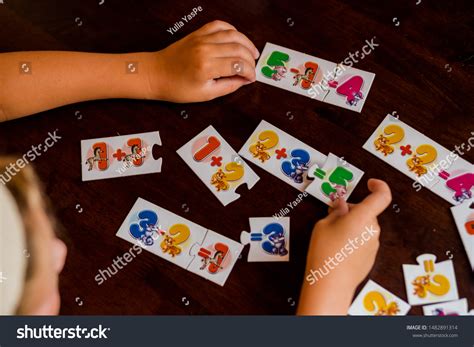
Look for games that support pre-reading skills, counting, color and shape recognition, and imaginative play. Puzzles, building sets, dress-up clothes, and cooperative board games help develop fine motor skills, problem-solving, and social interaction.
Early Elementary (6-8 years)
Children in this age group are ready for more complex rules, strategic thinking, and academic reinforcement. Math games, reading comprehension games, science kits, and games requiring teamwork are excellent choices. They also benefit from games that encourage creativity and storytelling.
Late Elementary & Pre-Teens (9-12 years)
At this stage, children enjoy intricate strategy games, role-playing games, advanced building kits, and games that challenge their logic and critical thinking. Games that involve research, coding, or complex narratives can be highly engaging and educational.

Key Educational Benefits to Prioritize
When evaluating a game, consider what specific skills it aims to develop:
- Cognitive Skills: Does it encourage problem-solving, critical thinking, memory retention, or strategic planning?
- Motor Skills: Does it refine fine motor skills (e.g., manipulating small pieces, writing) or gross motor skills (e.g., throwing, jumping)?
- Social-Emotional Learning: Does it teach cooperation, empathy, turn-taking, or emotion regulation?
- Creativity and Imagination: Does it allow for open-ended play, storytelling, or artistic expression?
- Academic Skills: Does it reinforce concepts in math, reading, science, or history?
Factors to Consider Beyond the Label
While age recommendations are a good starting point, several other factors influence the “best” choice:
Your Child’s Unique Interests
A game, no matter how educational, won’t be effective if your child isn’t interested. Observe their passions – dinosaurs, space, art, building – and seek games that align. Engagement is the first step to learning.
Learning Style and Temperament
Some children thrive with hands-on, tactile games, while others prefer visual or auditory challenges. Consider if your child needs quiet, focused activities or active, energetic play. Also, think about their patience level and preference for collaborative vs. solo play.
Quality and Durability
Invest in well-made games that can withstand repeated use. Check for non-toxic materials, safety standards, and robust construction, especially for younger children.
Balancing Screen Time with Physical Play
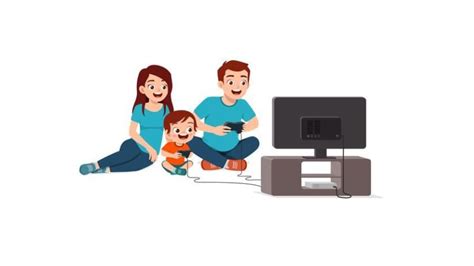
Digital educational games offer incredible potential, but it’s vital to balance them with traditional, hands-on play. Physical games encourage sensory engagement, gross motor skills, and often more direct social interaction.
Practical Tips for Parents
Making informed choices is an ongoing process. Here’s how to refine your selection skills:
- Research and Read Reviews: Look for reviews from other parents and educational experts. Websites and parenting forums often provide valuable insights.
- Try Before You Buy (If Possible): Many toy stores or community centers have demo games. Observe how your child interacts with different types of games.
- Play Together: Engage with your child during playtime. This not only strengthens your bond but also allows you to gauge their understanding, enjoyment, and the game’s actual educational value. You can also model appropriate play and discussion.
- Observe and Adapt: Your child’s interests and developmental needs will change. Be prepared to introduce new games and retire others as they grow. What was perfect last year might not be this year.
- Consider Open-Ended Play: Games that allow for multiple outcomes and creative interpretation often have longer-lasting educational value than those with a single, rigid solution.

Conclusion: Play with Purpose
Choosing the best educational and age-appropriate games is an investment in your child’s future. By understanding their developmental stage, prioritizing key learning benefits, considering individual interests, and actively participating in their playtime, you can transform simple games into powerful tools for growth. Remember, the goal isn’t just to educate, but to foster curiosity, resilience, and a lifelong love of learning through the joy of play.