Actionable screen time limits for preschoolers?
Navigating the Digital Age: Setting Healthy Screen Time Limits for Preschoolers
In today’s digitally saturated world, the question of how much screen time is appropriate for preschoolers is a constant source of concern and discussion among parents. While screens can offer educational content and entertainment, unchecked exposure can hinder crucial developmental milestones. This article delves into practical, actionable strategies to establish and maintain healthy screen time limits for your little ones, ensuring a balanced approach to their early years.
Understanding the Recommendations: What the Experts Say
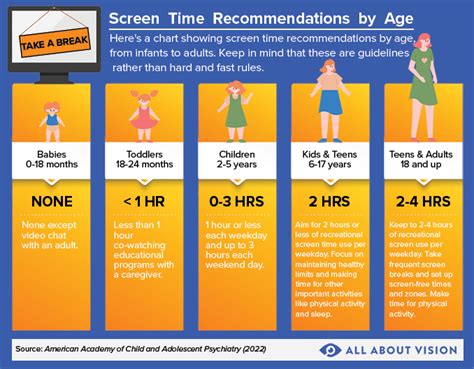
Organizations like the American Academy of Pediatrics (AAP) provide clear guidelines for young children. For children aged 2 to 5 years, the recommendation is to limit screen use to 1 hour per day of high-quality programming, always co-viewed with a parent or caregiver. This co-viewing aspect is crucial for helping children understand what they’re seeing and applying it to the real world. For children younger than 18-24 months, screen time (other than video chatting) is generally discouraged.

Crafting an Actionable Family Media Plan
The first step towards effective screen time management is to create a family media plan. This isn’t just about setting limits; it’s about defining how technology fits into your family’s values and daily life. Involve older children in the discussion (though preschoolers won’t fully grasp it, you can explain the rules simply). Consider the following elements:
- Designate Screen-Free Zones and Times: Establish specific times, like mealtimes, bedtime routines, and outdoor play, as completely screen-free. Bedrooms are often recommended as screen-free zones for all ages.
- Prioritize Unplugged Activities: Ensure there’s ample time for creative play, reading, outdoor exploration, and social interaction. These activities are vital for cognitive, social, and emotional development.
- Lead by Example: Children are keen observers. If parents are constantly on their phones, it sends a mixed message. Model healthy tech habits by putting your devices away during family time.
Practical Strategies for Implementation
Putting limits into practice can be challenging, especially when met with resistance. Here are some actionable tips:
1. Use Visual Cues and Timers: Preschoolers respond well to visual aids. Use a kitchen timer or a visual timer app to show them how much screen time they have left. When the timer goes off, that’s the end. This helps them anticipate transitions.
2. Offer Engaging Alternatives: Don’t just take away the screen; replace it with something equally or more engaging. Suggest building blocks, drawing, a puzzle, playing with playdough, or going outside. Have a “boredom busting” box ready with enticing activities.

3. Prioritize Quality Over Quantity: If screens are used, make sure the content is high-quality, educational, and age-appropriate. Co-viewing is key here. Talk about what you’re seeing, ask questions, and relate it to real-life experiences. This interaction transforms passive viewing into an active learning experience.
4. Be Consistent and Firm (But Kind): Consistency is paramount. Once rules are set, stick to them. While a tantrum might tempt you to give in, remember that holding the line teaches your child about boundaries and self-regulation. Acknowledge their feelings (“I know you’re sad the show is over”) but reiterate the rule calmly.

5. Explain the ‘Why’ in Simple Terms: Even young children can grasp simple explanations. You can say, “We turn off the tablet now so your eyes can rest, and we can play outside!” or “Too much screen time makes our brains tired, so let’s read a book instead.”
Addressing Common Challenges
Managing screen time isn’t always smooth sailing. Here’s how to tackle typical hurdles:
- The “Just Five More Minutes” Plea: Be firm with your timer. You can offer a choice of what to do next, but not whether to stop.
- Tantrums and Meltdowns: These are normal developmental responses. Stay calm, validate their feelings, and gently redirect them to another activity. Avoid negotiating when emotions are high.
- Different Rules at Grandparents’ or Daycare: Discuss your family’s media plan with caregivers. While complete consistency might be hard, ensuring they understand your general approach helps.

The Long-Term Vision: Fostering a Healthy Relationship with Technology
The goal isn’t to demonize technology, but to teach children how to use it mindfully and responsibly. By setting clear, consistent, and actionable limits during their preschool years, you’re laying the foundation for a healthy relationship with screens as they grow older. This approach emphasizes balance, prioritizing real-world experiences, social interaction, and imaginative play over endless digital consumption.

Ultimately, navigating screen time for preschoolers is an ongoing journey that requires patience, consistency, and adaptability. By implementing these actionable strategies, you empower your child to explore the world in a balanced way, fostering their natural curiosity and promoting holistic development.