



How to set healthy screen time limits for young gamers?

Understanding the Importance of Balanced Screen Time
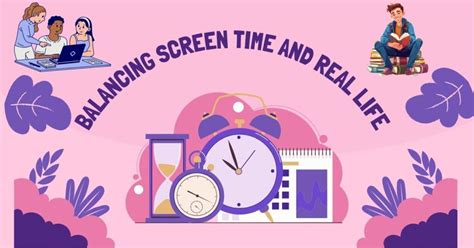
In today’s digital age, video games are an undeniable part of many children’s lives. While gaming offers numerous benefits, from problem-solving skills to social interaction, an unchecked passion can lead to issues like sleep disruption, neglected homework, and reduced physical activity. Setting healthy screen time limits isn’t about forbidding fun; it’s about nurturing a balanced lifestyle where digital engagement complements, rather than dominates, other crucial aspects of development.
Strategies for Setting Effective Limits
1. Open Communication and Collaboration
Involve your child in the discussion about screen time. When children feel heard and part of the decision-making process, they are more likely to respect the rules. Explain the ‘why’ behind the limits – how too much screen time can affect their sleep, schoolwork, or family time. Collaborate on creating a family media plan that everyone understands and agrees upon.
2. Create a Schedule and Routine
Consistency is key. Establish clear times for gaming and stick to them. This could mean specific hours after homework is done, or a set duration on weekends. Avoid gaming right before bedtime, as the blue light and stimulation can interfere with sleep. Consider using visual timers or alarms to help younger children understand when their screen time is ending.

3. Implement a ‘Screen Time Bank’ or Token System
For some families, a token-based system works well. Children can earn screen time by completing chores, homework, or engaging in non-screen activities. This teaches them responsibility and the value of earning privileges. They can then ‘spend’ their earned time as they see fit within the established boundaries.
4. Focus on Quality Over Quantity
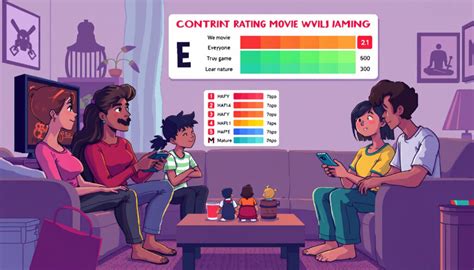
Not all screen time is created equal. Encourage games that are educational, promote creativity, or involve physical movement (like active VR games). Discuss the content of the games your child is playing. Understand their interests and guide them towards experiences that offer more than just entertainment, potentially even playing alongside them to share the experience.

Enforcing Rules and Encouraging Alternatives
1. Consistency is Key
Once limits are set, enforce them consistently. Children thrive on predictability, and wavering on rules can lead to pushback and confusion. Be firm but empathetic, understanding that transitions away from gaming can sometimes be challenging for children.
2. Offer Engaging Non-Screen Activities
Provide appealing alternatives to gaming. Ensure your home is rich with opportunities for imaginative play, outdoor activities, reading, creative arts, and social interaction. Suggest family board games, bike rides, or trips to the park. When children have exciting non-screen options, they are less likely to gravitate solely towards digital entertainment.

3. Lead by Example
Children learn by watching. Model healthy screen habits yourself. Put away your phone during family meals, engage in non-screen hobbies, and demonstrate a balanced approach to technology use. Your habits speak volumes about the importance of digital well-being.
4. Utilize Parental Control Tools
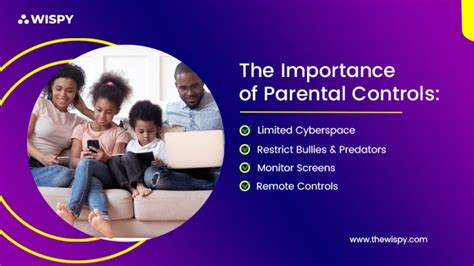
Many gaming consoles, platforms, and devices offer built-in parental controls. These tools can help manage screen time, restrict access to inappropriate content, and monitor gameplay. Use them as a supportive measure, not just a punitive one, to help your child adhere to the agreed-upon limits.
Navigating Challenges and Adapting
It’s natural to encounter resistance or require adjustments to your screen time plan. Be prepared to discuss and adapt the rules as your child grows and their needs change. For instance, a teenager might have different gaming habits and social needs compared to a younger child. Focus on open dialogue and problem-solving together, reinforcing the long-term goal of a balanced and healthy lifestyle.

Conclusion
Setting healthy screen time limits for young gamers is an ongoing process that requires patience, communication, and consistency. By involving your children, establishing clear boundaries, providing engaging alternatives, and modeling good habits, you can help them develop a healthy relationship with technology that supports their overall growth and well-being. The goal is not to eliminate gaming, but to integrate it into a rich and varied life.