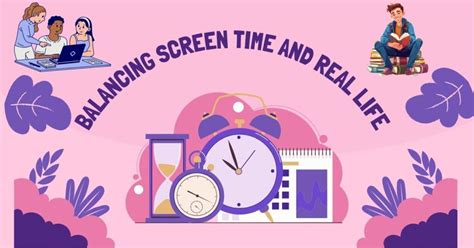





How can parents set healthy game time limits & find age-appropriate games?

In today’s digital age, video games are an undeniable part of many children’s lives, offering entertainment, social interaction, and even educational opportunities. However, finding the right balance between enjoying these benefits and ensuring healthy development can be a significant challenge for parents. This guide will help you navigate the complexities of setting game time limits and selecting games that are appropriate for your child’s age.
The Importance of Healthy Game Time Limits
Establishing clear boundaries around game time is crucial for several reasons. Excessive screen time can interfere with sleep, academic performance, physical activity, and face-to-face social interactions. Healthy limits promote a balanced lifestyle, encouraging children to engage in a variety of activities essential for their overall well-being and development.

Strategies for Setting Effective Game Time Limits
Setting limits isn’t just about saying “no”; it’s about establishing reasonable expectations and fostering healthy habits. Here are some practical strategies:
-
Communicate and Collaborate
Involve your children in the discussion. Explain why limits are important in an age-appropriate way (e.g., for better sleep, more time for friends, or outdoor play). Work together to decide on a reasonable amount of game time daily or weekly.
-
Be Consistent and Clear
Once limits are established, stick to them. Consistency helps children understand and internalize the rules. Clearly define what constitutes game time and what happens if limits are exceeded.
-
Use Tools and Timers
Many gaming consoles, mobile devices, and operating systems offer parental control settings that allow you to set time limits automatically. External timers can also be helpful for younger children to visualize their remaining play time.
-
Flexibility with a Framework
While consistency is key, there might be special occasions (e.g., holidays, rainy days) where you can be a bit more flexible. Make it clear these are exceptions, not the new norm.

Discovering Age-Appropriate Games
Just as you wouldn’t let a young child watch an R-rated movie, choosing games that match their developmental stage and maturity is vital. The gaming world offers a vast array of content, and not all of it is suitable for every age.
Understand Game Ratings
Game rating systems are your first line of defense. In North America, the ESRB (Entertainment Software Rating Board) provides age and content ratings. In Europe, it’s PEGI (Pan European Game Information). These ratings indicate the recommended age and highlight specific content descriptors (e.g., violence, language, suggestive themes).

Research and Reviews
Don’t just rely on the cover art. Before purchasing or allowing a new game, do a quick online search. Read reviews from other parents, watch gameplay videos, and check out reputable gaming websites that often provide in-depth analyses of game content and suitability for different age groups.
Play Together
The best way to understand a game’s content and decide if it’s right for your child is to play it with them. This also offers a wonderful opportunity for bonding, learning about their interests, and discussing any concerning elements directly.
Consider Educational and Creative Options
Not all games are about fighting or competition. Many games foster creativity, problem-solving, strategic thinking, and teamwork. Look for games that offer educational value or encourage constructive play.

Beyond Screen Time: Fostering a Balanced Lifestyle
Setting limits and choosing appropriate games are parts of a larger strategy: ensuring a balanced lifestyle. Encourage your children to engage in a variety of activities daily, including:
- Outdoor play and physical activity
- Reading books
- Creative pursuits (art, music, writing)
- Family time and social interactions
- Chores and responsibilities
Lead by example. If your children see you balancing your own screen time with other activities, they are more likely to adopt similar habits.

Conclusion
Navigating the world of children’s gaming requires a proactive and informed approach. By setting healthy, consistent time limits and carefully selecting age-appropriate games, parents can ensure their children enjoy the benefits of gaming without compromising their development or well-being. Open communication, collaboration, and leading by example are key ingredients for fostering a positive and balanced digital experience for the whole family.