




How to choose age-appropriate games for kids and manage screen time?

In today’s digital age, video games are an undeniable part of many children’s lives. While they offer entertainment and can even provide educational benefits, parents often grapple with two significant challenges: how to select games that are right for their child’s age and how to ensure screen time doesn’t become excessive. Navigating this landscape requires a thoughtful approach, combining informed choices with consistent boundaries.
Understanding Age-Appropriate Gaming
Choosing the right game goes beyond simply what your child wants to play. It involves understanding their developmental stage, emotional maturity, and what content is suitable for them. Playing games that are too advanced can lead to frustration, exposure to inappropriate themes, or simply not being able to grasp the mechanics, turning fun into a stressful experience.
Utilizing Rating Systems
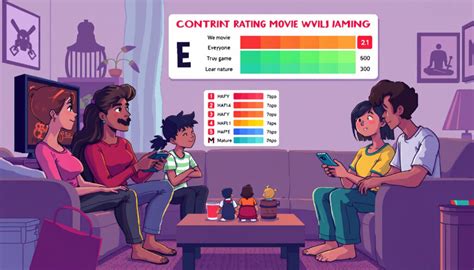
The first and most crucial step is to pay attention to official game rating systems. Organizations like the Entertainment Software Rating Board (ESRB) in North America and Pan European Game Information (PEGI) in Europe provide age classifications and content descriptors. These ratings are invaluable tools, offering a quick overview of a game’s intended audience and potential content like violence, language, or suggestive themes.
Always check both the age recommendation and the content descriptors. An “E for Everyone” game is vastly different from a “T for Teen” or “M for Mature” title. These descriptors explain why a game received its rating, detailing specific elements that might be present. Ignoring these can inadvertently expose your child to content they aren’t ready for.

Considering Content and Gameplay
Beyond official ratings, consider the actual content and gameplay style. Is it educational? Does it promote problem-solving, creativity, or teamwork? Or is it purely action-oriented? Think about the game’s overall message and values. Games that encourage strategic thinking, narrative development, or cooperative play can be highly beneficial.
Also, assess the complexity and required skills. A game might be rated for a certain age, but its mechanics could be too intricate for a younger child, leading to frustration. Look for reviews from other parents or even watch gameplay videos online to get a better sense of what to expect before making a purchase or download.
Strategies for Effective Screen Time Management
Once you’ve chosen appropriate games, the next hurdle is managing the time spent playing them. Unrestricted screen time can lead to a host of issues, including disrupted sleep, reduced physical activity, and interference with schoolwork and family interactions. The goal isn’t necessarily to eliminate screen time, but to integrate it healthily into your child’s routine.

Establishing Clear Rules and Routines
Consistency is key. Work with your child to establish clear rules about when, where, and for how long they can play games. This could include designated “tech-free” zones like the dinner table or bedrooms, or specific time slots for gaming. Visual aids like a family screen time contract can be very effective, ensuring everyone understands the expectations.
Consider linking screen time to responsibilities. For example, completing homework or chores might earn gaming minutes. This not only encourages good behavior but also teaches valuable lessons about earning rewards and managing time effectively. Make sure these rules are communicated clearly and enforced consistently by all caregivers.
Encouraging Balance and Alternative Activities
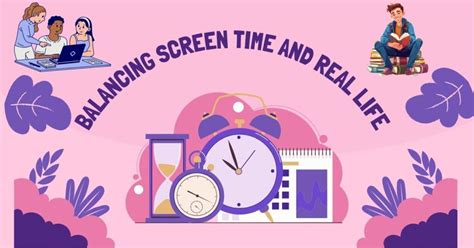
Screen time should always be balanced with other activities. Actively encourage and facilitate outdoor play, reading, creative arts, social interactions with friends, and family time. When children have a diverse range of engaging activities, they are less likely to gravitate solely towards screens out of boredom.
Suggest alternatives when gaming time is up, or plan family activities that everyone can look forward to. Being a role model yourself by limiting your own recreational screen time can also make a big difference, showing your children that there’s a world of experiences beyond digital devices.

Parental Involvement and Communication
Being involved in your child’s gaming world doesn’t mean hovering, but rather showing genuine interest. Ask them about the games they’re playing, who they’re playing with, and what they enjoy about them. Even better, play games with them occasionally. This not only strengthens your bond but also gives you firsthand insight into the game’s content and their interactions.
Open communication is vital. Talk to your children about online safety, the importance of privacy, and how to handle challenging situations they might encounter in online multiplayer games. Encourage them to come to you if they see anything that makes them uncomfortable. Your involvement helps them develop critical thinking skills and digital literacy.

Tools and Technologies for Support
Many gaming consoles, operating systems, and individual games offer built-in parental controls. These tools can be incredibly helpful for setting time limits, restricting access to certain content, or managing online interactions. Take the time to explore and set up these features on all devices your child uses.
There are also third-party apps and devices designed to monitor and manage screen time across multiple platforms. While these can be effective, remember that technology is a tool, not a replacement for communication and trust. Use these features to support your family’s rules, not to police your child without explanation.

Conclusion
Navigating the world of children’s gaming and screen time can feel like a complex challenge, but with the right approach, it’s entirely manageable. By carefully selecting age-appropriate games, establishing clear boundaries, encouraging a balanced lifestyle, and fostering open communication, parents can empower their children to enjoy digital entertainment responsibly. The key is to be informed, consistent, and engaged, transforming potential pitfalls into opportunities for learning and healthy development.