




How can I pick engaging, age-appropriate games that support my child’s development?

Choosing the right games for your child is more than just about keeping them entertained; it’s about fostering growth, learning, and well-being. In an age brimming with options, from digital adventures to classic board games, parents often wonder how to navigate this landscape to select activities that are not only fun but also developmentally beneficial and age-appropriate. This guide aims to equip you with the insights needed to make informed choices that will spark joy and support your child’s journey.
Understanding Your Child’s Developmental Stage
The first step in selecting the perfect game is understanding where your child is developmentally. Children learn and interact with the world differently at various ages, and a game that challenges a 7-year-old might overwhelm a 3-year-old or bore a 12-year-old.
- Toddlers (1-3 years): Focus on sensory exploration, cause-and-effect, simple matching, and gross motor skills. Games like stacking blocks, shape sorters, and push-pull toys are ideal.
- Preschoolers (3-5 years): As imagination blossoms, so does the capacity for cooperative play and basic problem-solving. Look for dress-up kits, simple board games, puzzles, and art supplies.
- Early School-Aged (6-8 years): Children begin to grasp rules, strategy, and more complex social interactions. Card games, construction sets, and cooperative board games are excellent choices.
- Middle to Late Childhood (9-12+ years): Logic, critical thinking, and social dynamics become increasingly important. Strategy board games, role-playing games, and more intricate craft kits can engage them.

Key Factors in Game Selection
Once you have a general understanding of developmental milestones, several other factors come into play when picking games.
Age-Appropriateness and Safety
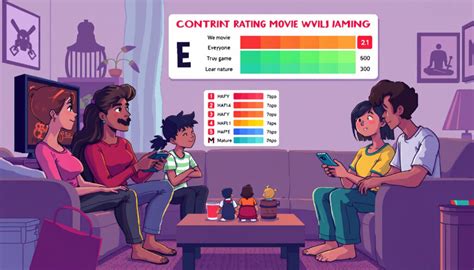
Always check recommended age ranges on game packaging. These guidelines often consider not just cognitive challenge but also small parts that could be choking hazards for younger children, or themes that might be too mature. Prioritize games made from safe, non-toxic materials.
Engagement and Fun
A game’s primary purpose is to be enjoyable. If it doesn’t capture your child’s interest, it won’t offer any developmental benefits. Look for games with vibrant visuals, interesting mechanics, and themes that resonate with your child’s current passions, whether it’s dinosaurs, space, or fantasy characters.
Developmental Benefits
Beyond entertainment, consider what skills the game nurtures:
- Cognitive Skills: Problem-solving, memory, critical thinking, literacy, numeracy.
- Social-Emotional Skills: Cooperation, negotiation, empathy, turn-taking, managing frustration.
- Physical Skills: Fine motor control (puzzles, building), gross motor coordination (active games), hand-eye coordination.
- Creativity: Open-ended play, imaginative scenarios, artistic expression.

Exploring Different Game Types
The world of games is vast. Here’s a look at some popular categories and their benefits:
Creative and Imaginative Play
Games like building blocks (LEGO, Magna-Tiles), art supplies, dress-up clothes, and open-ended play sets encourage children to invent stories, build worlds, and express themselves without rigid rules. These are vital for fostering creativity, narrative skills, and emotional expression.
Problem-Solving and Logic Games
Puzzles, strategy board games (like Chess, Checkers, or more modern options), logic puzzles, and certain video games challenge children to think critically, plan ahead, and devise solutions. These enhance cognitive flexibility, spatial reasoning, and perseverance.

Physical and Gross Motor Games
From outdoor sports and playground activities to active video games (e.g., those using motion sensors), these games are crucial for developing coordination, balance, strength, and endurance. They also provide an essential outlet for energy and promote a healthy lifestyle.
Social and Cooperative Games
Many board games, card games, and role-playing games require children to interact with others, follow rules, take turns, and even work together towards a common goal. These experiences are invaluable for developing social skills, communication, and understanding different perspectives.

Practical Tips for Parents
- Observe and Involve Your Child: Pay attention to their interests and how they naturally play. Involve them in the selection process when appropriate.
- Balance is Key: Encourage a variety of game types—digital and physical, solitary and social, active and quiet. Avoid over-reliance on any single category, especially screen-based games.
- Play Together: Joining in the fun is one of the best ways to connect with your child, model positive play behaviors, and observe their learning firsthand.
- Read Reviews and Recommendations: Websites, parenting blogs, and educational toy stores often provide excellent insights and suggestions tailored to different age groups and developmental goals.
- Don’t Overcomplicate It: Sometimes the simplest games (a ball, a deck of cards) offer the most profound developmental opportunities.

Conclusion
Selecting engaging, age-appropriate games that support your child’s development doesn’t have to be a daunting task. By understanding their developmental stage, considering key factors like engagement and safety, and exploring the diverse world of game types, you can curate a rich play environment. Remember, the goal is to find games that spark joy, foster learning, and create meaningful moments for your child to grow and thrive.