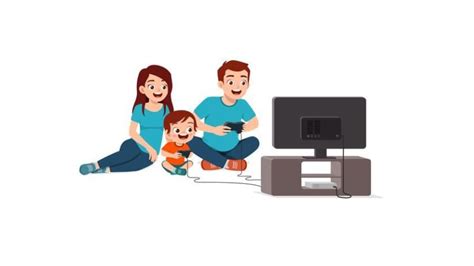
Which age-appropriate games truly build skills, beyond just fun?

Beyond Just Fun: Unlocking Developmental Potential Through Play
In a world overflowing with digital distractions and countless toys, parents often wonder how to choose games that do more than just entertain. While fun is undoubtedly a crucial component of childhood, the most impactful play experiences are those that subtly weave in opportunities for learning and skill development. It’s about finding that sweet spot where joy meets genuine growth, nurturing abilities that will serve children well into adulthood.
The concept of “play” itself is often underestimated. For children, play is their work – it’s how they explore the world, test boundaries, understand social dynamics, and build foundational cognitive and physical skills. When we select games with intention, we’re not just filling time; we’re investing in their future.
Cultivating Cognitive Prowess: Games for Sharper Minds
Cognitive skills are the bedrock of learning, encompassing problem-solving, memory, critical thinking, and logical reasoning. Many traditional and modern games are masters at fostering these abilities without children even realizing they’re “learning.”

- Puzzles (Jigsaw, Logic, Tangrams): Excellent for spatial reasoning, problem-solving, and patience. They teach children to break down a larger problem into smaller, manageable pieces.
- Board Games (Chess, Checkers, Strategic Games): These games are masterclasses in forward planning, consequence understanding, and decision-making. Even simpler games like Candyland or Snakes and Ladders teach basic counting and turn-taking.
- Memory Games & Matching Pairs: Boost short-term memory, concentration, and pattern recognition.
- Building Blocks (LEGO, Magna-Tiles): Develop spatial awareness, engineering skills, and creative problem-solving as children design and construct structures.
Fostering Social-Emotional Intelligence: Playing Together, Growing Together
The ability to understand and manage one’s own emotions, as well as navigate social interactions, is paramount for success and well-being. Games provide safe arenas for practicing these vital social-emotional skills.
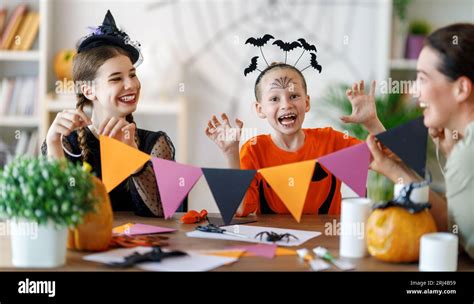
- Role-Playing & Pretend Play: Whether it’s playing house, doctor, or superheroes, imaginative play helps children explore different roles, develop empathy, practice communication, and understand social norms.
- Cooperative Board Games: Unlike competitive games, these require players to work together towards a common goal. Games like “Peaceable Kingdom” titles or “Forbidden Island” teach collaboration, negotiation, and shared decision-making.
- Card Games (Go Fish, Uno): Promote turn-taking, following rules, and polite winning/losing.
Enhancing Physical & Creative Development: Movement and Expression
Beyond the mental, games are crucial for refining motor skills and unleashing creativity. These aspects are often overlooked in the pursuit of purely “academic” skills but are equally vital for holistic development.

- Fine Motor Skills (Play-Doh, Beading, Craft Kits): Activities that require precise hand movements strengthen finger muscles, improve hand-eye coordination, and lay groundwork for writing and drawing.
- Gross Motor Skills (Outdoor Games, Ball Play, Active Video Games): Running, jumping, throwing, catching – these build strength, coordination, balance, and spatial awareness. Even certain active video games can encourage movement.
- Art & Music Games: Encourage self-expression, imagination, and sensory development. Simple instruments, coloring books, or open-ended art supplies fall into this category.
Choosing Wisely: Tips for Parents
With so many options, how can parents make informed choices? It comes down to understanding your child and the game itself.
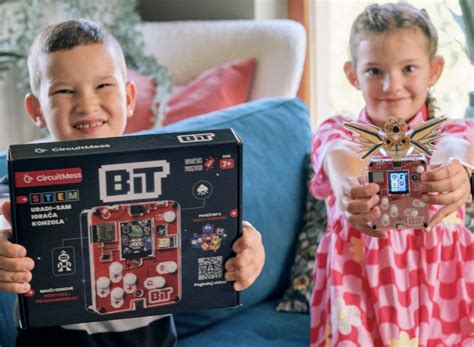
- Consider Age Appropriateness: A game too simple will bore; one too complex will frustrate. Look at recommended age ranges, but also gauge your child’s individual developmental stage and interests.
- Observe and Engage: Pay attention to what your child naturally gravitates towards. Join in sometimes to see how they interact with the game and to model positive play behaviors.
- Look for Open-Ended Play: Games that can be played in multiple ways or have no single “right” answer (like building blocks or art supplies) often offer richer developmental opportunities.
- Balance is Key: A healthy mix of cognitive, social, physical, and creative games ensures well-rounded development. Don’t shy away from just “fun” games; sometimes, relaxation is the skill being built!
- Less is Often More: A few thoughtfully chosen games that encourage depth of play are often more beneficial than a mountain of toys that only offer superficial engagement.

Ultimately, the goal isn’t to turn every play session into a classroom, but rather to recognize and harness the incredible power of play as a tool for genuine growth. By selecting games that align with their developmental needs and foster a love for learning, parents can provide their children with a joyful pathway to acquiring essential life skills, long after the game is put away.