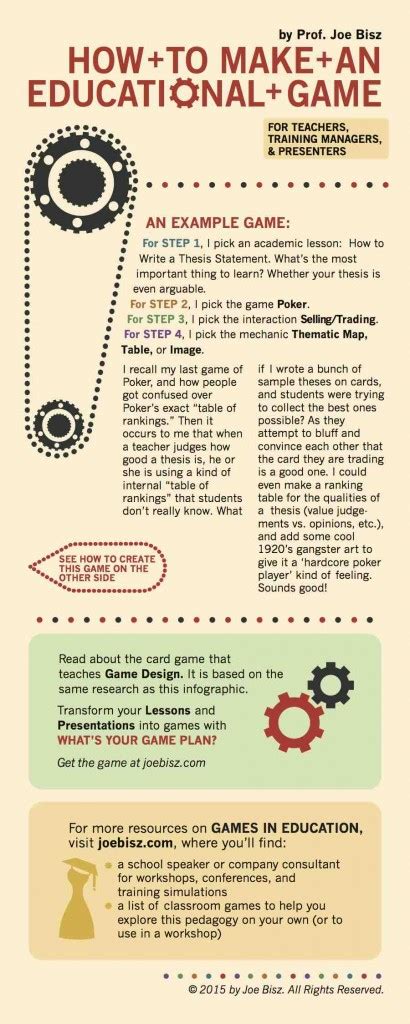
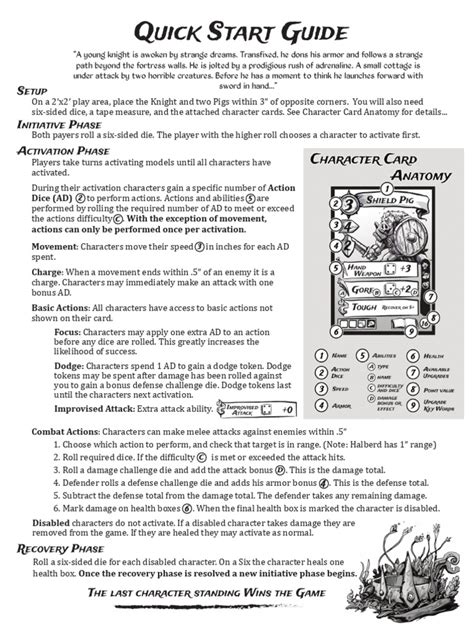
What’s the #1 actionable tip for crafting clear, effective game beginner guides?

Creating effective beginner guides for games is an art form. Many games, despite their brilliance, stumble at the first hurdle: introducing new players to their mechanics and worlds. Overwhelmed players often churn before they ever truly experience the game’s depth. So, what’s the single most actionable strategy to ensure your beginner guides are clear, engaging, and genuinely effective?
The Core Challenge: Information Overload
Developers pour countless hours into designing intricate systems and rich lore. The temptation to share all of it upfront with new players is strong. However, this often leads to a wall of text, a confusing barrage of UI elements, or a disconnected series of tutorials that don’t quite stick. New players aren’t interested in the grand strategic implications of a mechanic they haven’t even learned to use yet; they just want to know what to do now.

Think of the new player’s perspective: they’re likely unfamiliar with your specific game’s conventions, even if they’re experienced gamers. Every new button, every new icon, every new term represents a cognitive load. Dumping too much information at once paralyzes rather than empowers them, making the game feel impenetrable.
The #1 Actionable Tip: Focus on the Immediate Next Step
The most crucial actionable tip for crafting clear, effective game beginner guides is this: ruthlessly focus on guiding the player through their immediate next step. Break down every complex action or concept into the smallest possible, actionable unit. Tell the player precisely what they need to do right now, explain why it matters for *this immediate moment*, and then let them do it.

This means resisting the urge to explain an entire skill tree when the player just needs to learn how to move. It means not detailing the long-term economic strategy when they’re simply trying to harvest their first resource. Your guide should always answer the question: “What is the very next thing I need to understand or do to progress?”
How to Implement This Strategy
1. Identify the Absolute Bare Minimum
Before designing any tutorial segment, ask yourself: what is the absolute minimum piece of information or action a player needs to know to successfully complete the *very next* goal? Strip away everything else. This helps prevent cognitive overload and keeps the player focused on achievable tasks.
2. Progressive Disclosure of Mechanics
Introduce mechanics and concepts only as they become relevant. Don’t show players advanced crafting options when they haven’t even picked up their first raw material. Each new piece of information should build logically on what was just learned, creating a natural learning curve rather than a steep cliff.
3. Clear Call-to-Action and Immediate Practice
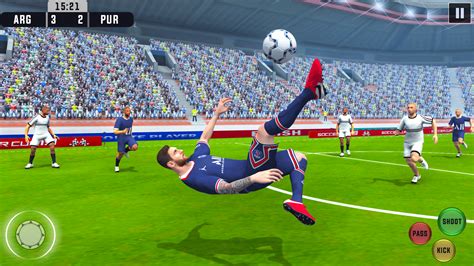
After explaining a concept or an action, immediately provide a clear call-to-action that allows the player to practice what they’ve learned. “Now, press ‘W’ to move forward.” “Click on the glowing plant to gather resources.” This reinforces the learning through doing and provides immediate feedback.

4. Reinforce and Build
Each tutorial segment should conclude with the player feeling a sense of accomplishment and readiness for the next, slightly more complex challenge. Ensure that subsequent steps logically build upon previously taught concepts, gradually expanding their understanding and skill set without overwhelming them.
Why This Approach Works Wonders
By focusing on the immediate next step, you reduce cognitive load significantly. Players feel competent and in control because they’re always given manageable tasks. This builds confidence, fosters engagement, and makes the learning process feel less like a chore and more like a natural progression of discovery. Ultimately, it leads to higher player retention and a more positive initial impression of your game.

Mastering the art of guiding new players isn’t about how much information you can convey, but how effectively you can sequence it. By consistently asking “What’s the immediate next step for the player?”, you transform potentially overwhelming systems into an engaging, accessible, and ultimately satisfying journey for every beginner.