What’s key to creating beginner game guides that avoid overwhelming new players?

For many new players, the initial moments in a complex video game can be daunting. A well-intentioned guide, if poorly structured, can inadvertently add to this anxiety rather than alleviate it. The secret to creating beginner game guides that truly help lies in a delicate balance of clarity, conciseness, and empathy for the new player’s perspective. It’s about building a bridge, not a wall of information.
Focus on the Absolute Essentials First
When a new player opens a guide, they’re typically looking for immediate answers to pressing questions: How do I move? What’s my first objective? What do these icons mean? Resist the urge to dump every piece of lore, advanced mechanic, or end-game strategy upfront. Start with the core mechanics necessary for immediate progression and enjoyment. Introduce concepts gradually, in the order a player would naturally encounter them.
Think about the first 15-30 minutes of gameplay. What information is absolutely critical to prevent frustration and ensure they can complete the initial tutorial or quest? Everything else can wait. This foundational knowledge creates a stable base upon which more complex information can be built.
Break Down Complex Information into Digestible Chunks
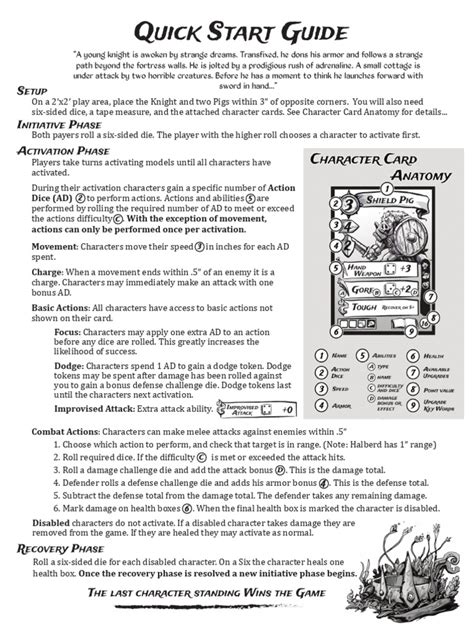
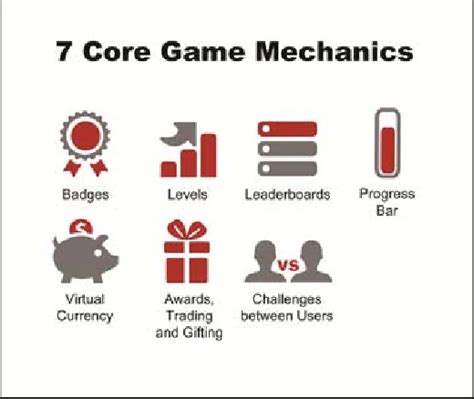
Long blocks of text and intricate flowcharts are the enemies of beginner guides. Instead, break down information into small, manageable sections. Use headings, bullet points, and numbered lists to organize content logically. Each section should ideally focus on one specific concept or task. This ‘chunking’ allows players to quickly scan for what they need and absorb information without feeling buried.
- Use clear, descriptive headings.
- Keep paragraphs short and to the point.
- Employ bullet points for lists of items or steps.
- Provide step-by-step instructions for processes.
Simplify Language and Avoid Jargon
Game communities often develop their own unique lexicon of acronyms, slang, and specific terminology. While these are common among veterans, they are alien to newcomers. A beginner guide should intentionally strip away this jargon or, if absolutely necessary, provide clear and concise explanations for every term used. Opt for plain English, simple sentence structures, and direct instructions. Imagine you’re explaining the game to someone who has never played a video game before.
![[2024 REVIEW] Do Clear Crystal Vision Supplement Ingredients Work or ...](/images/aHR0cHM6Ly90czQubW0uYmluZy5uZXQvdGg/aWQ9T0lQLktrU21xWWQ0d2VtUFNFOUxJZ3NHTEFIYUU3JnBpZD0xNS4x.webp)
Leverage Visual Aids and Practical Examples
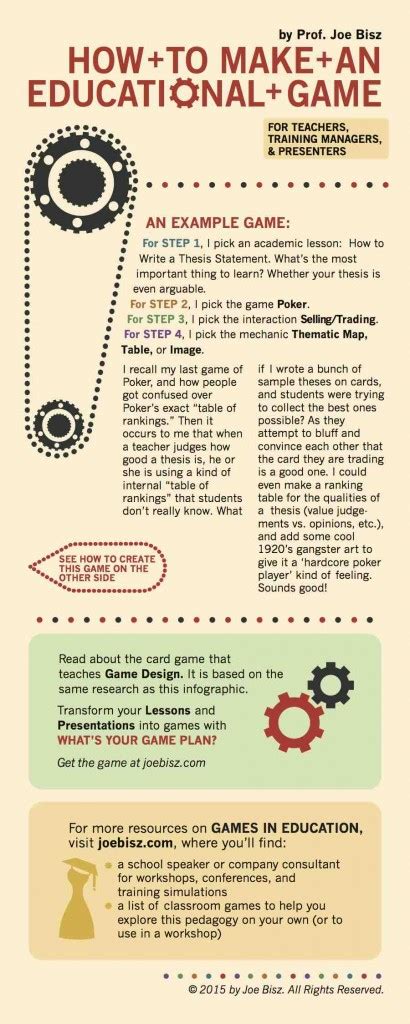
A picture is worth a thousand words, especially in game guides. Screenshots with highlighted UI elements, simple diagrams, or short GIF animations can explain concepts far more effectively than text alone. Show, don’t just tell. When explaining a mechanic, provide a concrete example of how it’s used in the game. If you’re talking about a specific item, show an image of it and explain its function in a typical scenario.
Visual examples help new players connect the abstract information in the guide to the tangible experience within the game itself, reinforcing their learning and reducing confusion.

Balance Guidance with Discovery and Exploration
While guides are meant to help, they shouldn’t spoil the entire game or remove the joy of discovery. A good beginner guide provides enough direction to get players started and confident, but also leaves room for them to experiment, explore, and learn on their own. Avoid presenting only one ‘correct’ way to play if multiple viable strategies exist. Encourage curiosity and self-paced learning, rather than spoon-feeding every single detail.
Conclusion: Empowering New Players
Creating beginner game guides that avoid overwhelming new players boils down to empathy, thoughtful structure, and a commitment to clarity. By focusing on essentials, chunking information, simplifying language, utilizing strong visuals, and respecting the player’s journey of discovery, guide creators can transform the daunting initial experience into an empowering and enjoyable one. Ultimately, the goal is not just to provide information, but to build confidence and foster a love for the game in its newest adventurers.