What practical tips help manage screen time effectively without daily battles?
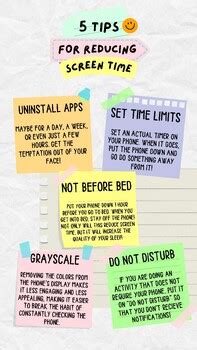
In today’s digital age, navigating children’s screen time can often feel like a constant uphill battle. Parents frequently grapple with how to limit device use without resorting to daily arguments and power struggles. The good news is that with thoughtful strategies and consistent effort, it’s entirely possible to foster healthy digital habits and create a more harmonious home environment. The key lies in setting clear expectations, offering engaging alternatives, and leading by example.
Establishing Clear Boundaries and Routines
One of the most effective ways to avoid screen time conflicts is to establish clear, predictable boundaries from the outset. This means setting specific times for screen use, designating tech-free zones (like bedrooms or the dinner table), and defining what types of content are acceptable. Involve your children in creating these rules; when they have a say, they’re more likely to buy in and adhere to them. Consider using visual schedules or timers to make the routine tangible and reduce arguments.
Consistency is crucial. If rules are enforced sporadically, children will quickly learn to test the limits. Make sure both parents are on the same page and present a united front. Remember, the goal isn’t to eliminate screens, but to integrate them mindfully into family life.

Focus on Quality Over Quantity
Not all screen time is created equal. Instead of solely focusing on the amount of time spent, shift your attention to the quality of the content. Encourage educational apps, creative software, or interactive games that promote problem-solving and critical thinking. Co-viewing or co-playing with your children can transform passive consumption into an engaging, shared experience. This also provides an opportunity to discuss what they are seeing and help them develop media literacy.
Ask questions like, “What did you learn from that game?” or “How did that character solve their problem?” This approach teaches children to be discerning consumers of digital media, rather than just mindless scrollers.
Offer Engaging Alternatives
Children often gravitate towards screens out of boredom or a lack of other stimulating options. Proactively offer appealing alternatives to fill their time. This could involve outdoor play, creative arts and crafts, reading books, building with blocks or LEGOs, or engaging in family board games. Create a “boredom box” filled with various activities they can choose from when they announce they have nothing to do.

Scheduling dedicated “unplugged” family time each day or week can also reinforce the value of offline interactions. This might be a family walk, a cooking session together, or simply chatting around the dinner table without devices.
Lead by Example: Your Digital Habits Matter
Children are keen observers, and they will mimic what they see. If parents are constantly glued to their phones, it’s challenging to preach moderation to children. Reflect on your own screen habits. Are you present during family meals? Do you put your phone away when having conversations? Schedule device-free periods for yourself and stick to them.

Modeling responsible and balanced screen use demonstrates that devices are tools to be used purposefully, not crutches for constant entertainment. Show them that there’s a vibrant, engaging world beyond the screen.
Foster Open Communication and Flexibility
Instead of imposing rules, engage your children in ongoing conversations about screen time. Discuss the benefits and potential downsides of digital media, listen to their perspectives, and validate their feelings. Understanding why a particular game or show is important to them can help you find compromises.
Be prepared to be flexible as your children grow and their needs change. What works for a five-year-old might not work for a ten-year-old. Regular check-ins and adjustments to your family’s screen time plan can prevent resentment and maintain a collaborative spirit. The goal is to empower them to self-regulate, not just follow commands.

Conclusion
Managing screen time effectively without daily battles is an ongoing process that requires patience, consistency, and a proactive approach. By setting clear boundaries, prioritizing quality content, offering compelling alternatives, modeling healthy habits, and fostering open communication, parents can guide their children toward a balanced relationship with technology. Ultimately, the aim is to build a foundation of trust and respect, ensuring that screens enhance family life rather than detract from it.