What indie game discovery tools help avoid shovelware and find genuine hidden gems?

Navigating the Indie Game Landscape
The world of independent video games is a vibrant tapestry woven with creativity, innovation, and passion. Free from the constraints of large publishers, indie developers often push boundaries, explore unique mechanics, and tell compelling stories that mainstream titles might shy away from. However, this expansive landscape also presents a significant challenge: discovery. With thousands of games released annually across various platforms, sifting through the noise to find genuine hidden gems while avoiding “shovelware” – low-effort, low-quality titles – requires a discerning eye and the right tools.
For every Stardew Valley or Hollow Knight that rises to prominence, countless other brilliant, smaller-scale projects might go unnoticed. This article explores effective strategies and tools to help you navigate the indie game market, ensuring your precious gaming hours are spent on quality experiences.
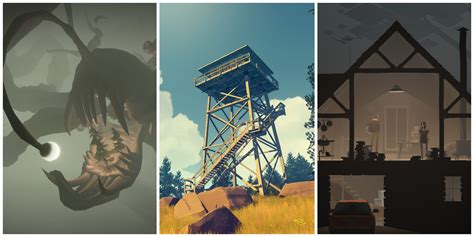
The Rise of Shovelware and Discovery Hurdles
The accessibility of game development tools and digital distribution platforms like Steam, itch.io, and Xbox Live has democratized game creation, which is largely a positive development. However, it has also led to an unprecedented volume of releases. Steam alone sees hundreds of new titles every week. Among these are many rushed, unpolished, or even asset-flipped games designed to make a quick buck – the very definition of shovelware. These titles not only disappoint players but also make it harder for truly deserving indies to gain visibility.
Traditional discovery methods, such as Steam’s own algorithm, can often be overwhelmed by this volume. While useful, they sometimes prioritize popularity or recent releases over genuine quality, making a manual, informed approach even more crucial for those seeking deeper cuts.
Dedicated Indie Platforms: A First Line of Defense
Some platforms are specifically designed with indie games and developers in mind, offering a more curated or community-focused experience that naturally filters out much of the shovelware:
- itch.io: This platform is a haven for truly independent creators. With a strong emphasis on developer control and a pay-what-you-want model, itch.io is home to experimental games, game jam entries, and unique projects you won’t find anywhere else. Its curated bundles and collections often highlight high-quality work, and the community is generally very supportive of genuine innovation.
- Game Jolt: Similar to itch.io, Game Jolt provides a robust platform for indie game hosting, sharing, and community engagement. It’s an excellent place to find free games, demos, and games developed during various challenges.

Curators, Critics, and Community: Your Trusted Guides
When platforms struggle to filter, people often do best. Leveraging the knowledge and dedication of others is one of the most effective ways to discover quality indie games:
- Steam Curators: A powerful, underutilized tool, Steam Curators are individuals or groups who review and recommend games. Many specialize in specific genres or in highlighting indie gems. Following a few trusted curators whose tastes align with yours can cut through much of the noise directly within Steam. Look for curators with detailed reviews and a consistent track record.
- Specialized Gaming Blogs and Websites: Publications like Rock Paper Shotgun, PC Gamer (often with dedicated indie sections), Eurogamer, and smaller, indie-focused blogs (e.g., Alpha Beta Gamer for demos) frequently feature in-depth reviews and previews of promising independent titles. Their editorial oversight acts as a significant quality filter.
- YouTube Channels and Twitch Streamers: Many content creators dedicate their channels to showcasing lesser-known indie games. Channels like SplatterCatGaming, ManlyBadassHero, or even smaller, niche streamers often dive deep into the indie scene, providing authentic first impressions and full playthroughs that can help you gauge a game’s quality and appeal.
- Reddit Communities: Subreddits like r/indiestrat, r/gamingsuggestions, r/truegaming, and even genre-specific subreddits are excellent places to ask for recommendations and discuss hidden gems with fellow enthusiasts.

Events, Demos, and Direct Developer Engagement
Getting a sneak peek or interacting directly with creators can provide invaluable insight into a game’s potential and the developer’s commitment:
- Steam Next Fest: Held multiple times a year, Steam Next Fest allows players to download and play hundreds of demos of upcoming games. This is an unparalleled opportunity to try before you buy and support developers by wishlisting their games.
- Game Jams and Conventions: While specific conventions might be less accessible, many game jams (time-limited game development challenges) release their entries publicly. These can be goldmines for experimental concepts and early-stage ideas.
- Developer Social Media and Discord Servers: Following indie developers on Twitter, Mastodon, or joining their Discord servers provides direct access to development updates, community feedback, and a sense of their passion and professionalism. A responsive and transparent developer is often a good sign.

Your Personal Strategy for Unearthing Gems
Beyond external tools, adopting a few personal habits can greatly enhance your indie game discovery:
- Scrutinize Reviews: Don’t just look at the overall score. Read detailed user reviews on Steam or Metacritic. Look for patterns in feedback, specifically addressing gameplay, bugs, and developer responsiveness. Be wary of review bombing or overly vague positive/negative reviews.
- Check Developer History: Has the developer made other games? Are they well-received? A track record, even a small one, can indicate reliability.
- Look for Consistent Updates: For early access or ongoing projects, frequent updates and clear patch notes are excellent indicators of an active and committed development team.
- Embrace the Demo: If a demo is available, play it. It’s the ultimate test of whether a game resonates with you before you commit.
- Be Patient: Sometimes the best games aren’t discovered on day one. Let early adopters and critics filter some of the initial noise.

Conclusion
Finding genuine hidden gems in the vast ocean of indie games is a rewarding endeavor, but it requires a multi-faceted approach. By combining the curated experiences of dedicated indie platforms like itch.io, the insights of trusted Steam Curators and specialized media, the direct engagement offered by events and developer communities, and your own critical evaluation skills, you can dramatically improve your chances of avoiding shovelware and discovering the next indie masterpiece that truly speaks to you. Happy hunting!