What essential steps should every beginner game guide cover for new players?
The Foundation of a Great Gaming Experience
An effective beginner game guide is not just a luxury; it’s a necessity for player retention and enjoyment. For new players, the initial hours can be overwhelming, filled with unfamiliar mechanics, complex UIs, and daunting objectives. A well-structured guide acts as a friendly hand, easing them into the game’s world and ensuring they grasp the fundamentals before diving deep. This article outlines the essential steps every comprehensive beginner game guide should cover to set new players up for success.
1. The Absolute Basics: Getting Started
Before a player can even begin to understand the game’s intricate systems, they need to know how to get it running and navigate its most basic functions. A beginner guide should start with the very first steps.
Installation and Initial Setup
Even for modern digital downloads, there might be pre-game setup, account linking, or patch downloads. A guide should address these potential hurdles.
First Launch and Initial Settings
Cover crucial initial settings like graphics options, sound adjustments, and language preferences. Explain why certain settings might be important (e.g., performance vs. visual fidelity).
Understanding the User Interface (UI) and Heads-Up Display (HUD)
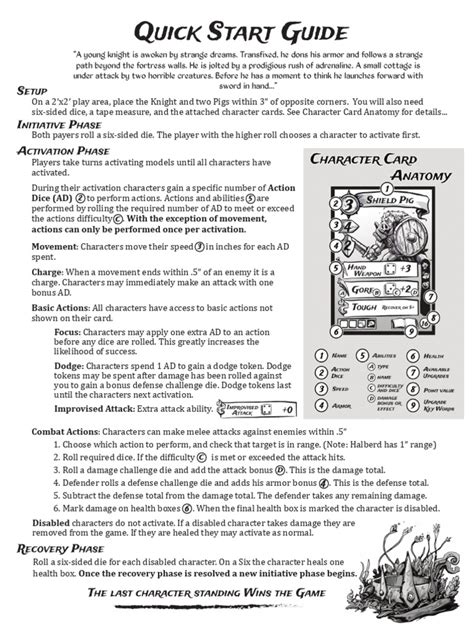
This is critical. Break down the UI: what do the health bars, mini-maps, ability icons, and chat windows mean? Explain their purpose and how to interact with them. A visual diagram or clear descriptions are invaluable here.

2. Core Mechanics and Controls
Once the player knows what they’re looking at, they need to know how to interact with the game world. This section is all about basic gameplay.
Basic Movement and Interaction
Clearly explain how to move the character, camera, and interact with objects. This includes simple actions like picking up items, opening doors, or talking to NPCs. Use common key bindings as examples but also mention customization.
Key Bindings and Customization
Dedicate a segment to default key bindings, explaining the function of each primary key. Crucially, encourage players to explore control customization options to find what works best for them, highlighting accessibility features if present.
Understanding the Objective System
Whether it’s quests, missions, levels, or specific goals, new players need to know how to find, accept, track, and complete objectives. Explain how the game communicates these goals and rewards.
3. Understanding Game Systems
Games often involve layered systems that might not be immediately obvious. A good guide demystifies these.
Character Creation and Customization
If applicable, walk through the character creation process, explaining choices like classes, races, starting attributes, and their long-term implications. For games without deep creation, cover avatar customization.
Inventory Management
Explain how to access, use, equip, and discard items. Detail common item types (weapons, armor, consumables) and any weight limits or slot restrictions. Highlight the importance of managing inventory space.
Resource Gathering and Crafting (If Applicable)
For games with these elements, explain the basics: how to gather resources, where to find them, and how to use them in a crafting system. Provide simple examples of early crafts.
Combat Basics (If Applicable)
If combat is a core mechanic, cover the absolute essentials: target lock, basic attacks, using abilities, understanding damage types, and defensive maneuvers. Emphasize learning through practice in safe zones.
4. Early Game Progression and Goals
With the basics covered, the guide should now focus on helping players navigate their first real steps in the game world.
First Mission/Tutorial Walk-through
Provide a brief, spoiler-free walk-through of the very first quest line or tutorial area. This gives players confidence as they apply what they’ve learned.
Recommended Early Strategies
Offer advice on what new players should prioritize: leveling certain skills, exploring specific areas, or focusing on particular objectives. Suggest easy ways to earn early game currency or resources.
Common Pitfalls to Avoid
Highlight common mistakes new players make, such as wasting resources, selling important items, or ignoring tutorials. This saves them frustration and backtracking.

5. Beyond the Basics: Community and Resources
A beginner guide shouldn’t just leave players hanging after the initial phase. It should empower them to seek further knowledge.
Where to Find More Help
Direct players to official forums, fan wikis, dedicated community websites, and official social media channels. Explain how these resources can answer specific questions or deepen their understanding.
Multiplayer Basics (If Applicable)
If the game has multiplayer, explain how to join groups, understand basic etiquette, and utilize communication tools. Even a brief overview can reduce social anxiety.
Setting Personal Goals and Exploration
Encourage players to experiment, explore, and set their own goals beyond the main objectives. Remind them that discovery is a huge part of the gaming experience.

Conclusion
A truly effective beginner game guide is more than just a list of instructions; it’s a welcoming hand that transforms potential frustration into genuine enjoyment. By meticulously covering installation, core mechanics, game systems, early progression, and future resources, a guide empowers new players to confidently step into the game world. Ultimately, a well-crafted beginner guide doesn’t just teach players how to play, but why they’ll love playing.