What are clear guidelines for choosing age-appropriate video games?

The Importance of Age-Appropriate Gaming Choices
In today’s digital landscape, video games are an integral part of many children’s lives. While they offer numerous benefits, from enhancing problem-solving skills to fostering creativity and social interaction, choosing the right games for your child’s age and maturity level is crucial. Just as you wouldn’t let a toddler watch an R-rated movie, careful consideration must be given to the content, themes, and complexity of video games.
Making informed choices helps protect children from potentially disturbing content, violence, or mature themes they aren’t ready to process. It also ensures they engage with games that are genuinely fun, challenging, and suitable for their developmental stage, maximizing the positive aspects of gaming.
![Family Values | Importance of Family Values [Powerful List] - Beliefnet](/images/aHR0cHM6Ly90czIubW0uYmluZy5uZXQvdGg/aWQ9T0lQLlFWdm16clBhS3NaOG8wQkdOSHFBVmdIYUZqJnBpZD0xNS4x.webp)
Understanding Video Game Rating Systems
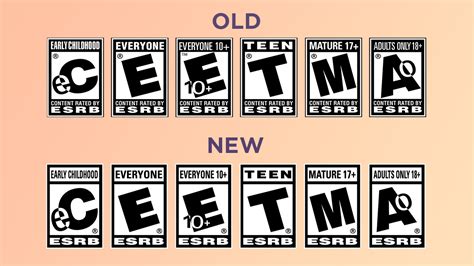
The most straightforward guideline for choosing age-appropriate games comes from established rating systems. These systems provide a quick and reliable summary of a game’s content and recommended age group. The primary systems vary by region:
ESRB (Entertainment Software Rating Board) – North America
- E (Everyone): Content generally suitable for all ages. May contain minimal cartoon, fantasy or mild violence and/or infrequent use of mild language.
- E10+ (Everyone 10+): Content generally suitable for ages 10 and up. May contain more cartoon, fantasy or mild violence, mild language and/or minimal suggestive themes.
- T (Teen): Content generally suitable for ages 13 and up. May contain violence, suggestive themes, crude humor, minimal blood, simulated gambling and/or infrequent use of strong language.
- M (Mature): Content generally suitable for ages 17 and up. May contain intense violence, blood and gore, sexual content and/or strong language.
- AO (Adults Only 18+): Content suitable only for adults ages 18 and up. May include prolonged scenes of intense violence, graphic sexual content and/or gambling with real currency.
PEGI (Pan European Game Information) – Europe
PEGI ratings are numerical (3, 7, 12, 16, 18) indicating the minimum age for which the game content is suitable. They also use descriptors like ‘Violence’, ‘Bad Language’, ‘Fear’, ‘Sex’, ‘Drugs’, ‘Discrimination’, and ‘Gambling’ to highlight specific content.
Beyond the Ratings: Considering Your Child’s Unique Maturity
While rating systems are excellent starting points, they are not the sole factor. Every child is different, and individual maturity levels, sensitivities, and interests play a significant role. Here’s what else to consider:
- Emotional Sensitivity: Some children are more sensitive to violence, scary themes, or intense pressure than others. A game rated E10+ might still be too intense for a particularly sensitive 10-year-old.
- Cognitive Readiness: Is the game’s complexity, puzzle-solving, or strategic thinking appropriate for your child’s cognitive development? Games that are too simple can be boring, while those too complex can be frustrating.
- Personal Interests: Aligning games with your child’s interests increases engagement. If they love history, a historical strategy game might be perfect, provided the content is appropriate.
- Peer Influence: Friends often play certain games, creating pressure for your child to join. Openly discuss these situations and set boundaries if the game is unsuitable.

Parental Involvement and Shared Experiences
One of the most effective ways to choose age-appropriate games and ensure a positive gaming experience is to be actively involved:
- Research Before You Buy/Download: Don’t just rely on the box. Watch gameplay videos online, read reviews from parent-focused websites, and check the specific content descriptors provided by rating boards.
- Play Together: When possible, play games with your child. This gives you firsthand insight into the game’s content and allows you to discuss themes, challenges, and any concerns in real-time. It also creates a shared bonding experience.
- Talk About It: Regularly discuss the games your child is playing. Ask them what they like about it, what challenges they face, and how it makes them feel. This opens lines of communication and helps you understand their perspective.
- Set Boundaries: Establish clear rules around screen time, what games are allowed, and where gaming can take place. Discuss online safety if the game involves multiplayer interaction.

Leveraging Parental Controls and Resources
Most modern gaming consoles, PCs, and mobile devices offer robust parental control features. These can be invaluable tools for managing what games your child can access, limiting play time, and restricting online interactions.
- Console/Device Settings: Learn how to set up parental controls on your family’s gaming devices. You can often block games by rating, restrict purchases, and manage communication features.
- Educational Resources: Websites like Common Sense Media provide detailed reviews of games, movies, and apps from a parent’s perspective, offering insights into educational value, violence, language, and more.
- Game Developers/Publishers: Many game companies provide detailed information about their games on their websites, including content warnings and gameplay videos.

Conclusion
Choosing age-appropriate video games is an ongoing process that combines understanding official rating systems with a deep knowledge of your child’s individual needs and maturity. By being proactive, engaged, and open in your communication, you can guide your child towards gaming experiences that are not only safe and suitable but also enriching, fun, and beneficial for their development. The goal is to empower children to navigate the digital world responsibly, fostering a healthy relationship with video games that contributes positively to their growth.