Tips for balancing gaming screen time with learning activities?

Navigating the Digital Playground: A Parent’s Guide
In today’s digital age, the allure of video games is undeniable for children and teenagers. While gaming can offer entertainment, social connections, and even cognitive benefits, parents often grapple with the challenge of balancing screen time with essential learning activities. The key isn’t necessarily to eliminate gaming, but to create a harmonious environment where both play and education thrive. This article provides practical strategies for parents to achieve that balance.

Establish Clear Rules and Routines
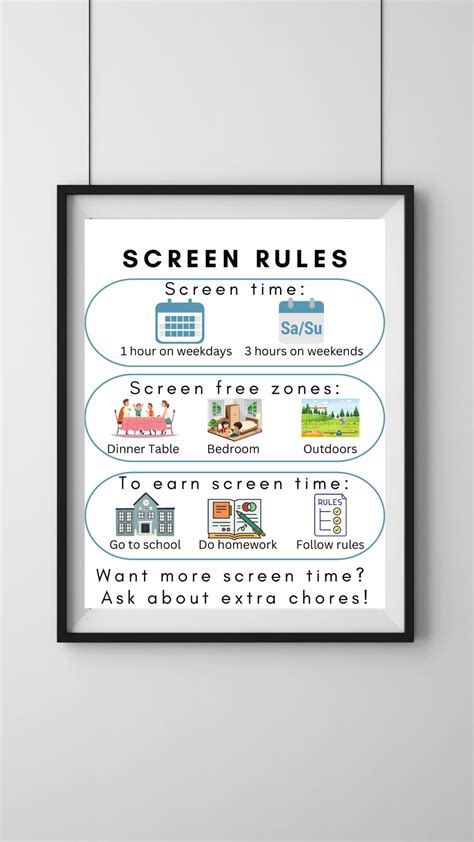
One of the most effective ways to manage screen time is to set clear, consistent boundaries. Involve your children in the discussion to foster a sense of ownership. Establish a daily or weekly schedule that allocates specific times for gaming, homework, reading, and other activities. Visual schedules can be particularly helpful for younger children. Make sure these rules are communicated clearly and enforced consistently to avoid conflict.
- Time Limits: Decide on a reasonable amount of daily or weekly gaming time and stick to it.
- Designated Zones: Consider having screen-free zones or times, like during meals or before bedtime.
- “First-Then” Principle: Encourage children to complete learning tasks (e.g., homework, reading) before they can engage in gaming.
Prioritize Quality Content and Active Learning
Not all screen time is created equal. Encourage engagement with educational games, coding apps, or creative platforms that stimulate critical thinking, problem-solving, or artistic expression. Beyond screens, actively promote traditional learning methods and real-world exploration. Board games, outdoor play, reading physical books, and creative arts are invaluable for holistic development.
Look for opportunities to connect gaming to learning. For example, if your child enjoys a historical strategy game, encourage them to research the real-world historical figures or events featured in it. If they love a building game, suggest they design a blueprint for a real-life project.
Be a Role Model and Engage Together
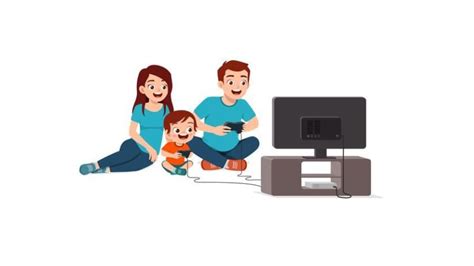
Children learn by observing their parents. Your own screen habits play a significant role in shaping theirs. Demonstrate healthy digital citizenship by limiting your own recreational screen time, engaging in non-screen activities, and being present when interacting with your children. Occasionally, participate in their gaming world. Playing together can be a great way to bond, understand their interests, and even introduce educational elements into their play.

Integrate Learning into Play
Gamification, the application of game-design elements and game principles in non-game contexts, can make learning more engaging. Turn homework into a challenge with rewards, create scavenger hunts for educational topics, or use apps that blend learning with fun. Encourage curiosity and exploration by providing resources like library cards, art supplies, or science experiment kits.
Think beyond formal education. Learning can happen anywhere. A trip to the museum, a nature walk, cooking together, or even building a complex LEGO structure can all be powerful learning experiences that balance screen time with practical skills and knowledge acquisition.

Monitor, Adapt, and Communicate
Regularly review your family’s screen time balance. What works one month might need adjustment the next as children grow and their needs change. Be open to adapting your rules and routines. Most importantly, maintain open lines of communication with your children. Discuss their interests, challenges, and how they feel about the established boundaries. This collaborative approach fosters trust and helps children develop self-regulation skills.

Conclusion
Finding the sweet spot between gaming and learning is an ongoing journey, not a destination. By setting clear boundaries, prioritizing quality content, modeling healthy habits, and integrating learning into everyday activities, parents can guide their children towards a balanced digital life. The goal is to raise well-rounded individuals who can harness the benefits of technology while also excelling in their academic and personal development.