Strategies to set healthy gaming boundaries & screen limits?

Understanding the Challenge of Digital Immersion
In today’s digitally saturated world, screens are an undeniable part of children’s lives. From educational apps to social media and immersive video games, digital engagement offers both opportunities and potential pitfalls. For parents, navigating this landscape can be daunting, often leading to power struggles over screen time. The key is not outright banning, but rather establishing healthy boundaries that promote balance, responsibility, and overall well-being.
Setting effective limits requires a thoughtful approach, understanding both the appeal of digital activities for children and the potential downsides of excessive use. It’s about empowering children to manage their digital lives rather than simply restricting them.

1. Involve Children in the Conversation
One of the most powerful strategies is to involve your children in setting the rules. When children feel heard and have a sense of ownership over the boundaries, they are more likely to adhere to them. Start by discussing the ‘why’ behind the limits – explaining the importance of sleep, physical activity, schoolwork, and face-to-face interactions. Ask them what they think fair limits might be and what activities they prioritize.
This collaborative approach turns a potential conflict into a shared problem-solving exercise. It teaches them negotiation, compromise, and self-regulation. Make sure to listen to their perspectives and acknowledge their interests in gaming or screen time.
2. Establish Clear and Consistent Rules
Once you’ve had the discussion, formalize the rules. These should be clear, concise, and easy for everyone to understand. Examples include:
- Specific time limits per day (e.g., “30 minutes on weekdays, 1 hour on weekends”).
- Designated screen-free zones (e.g., “no screens at the dinner table or in bedrooms”).
- Screen-free times (e.g., “no screens an hour before bedtime”).
- ‘Earned time’ for chores or homework completion.
Consistency is paramount. If rules are enforced sporadically, they lose their effectiveness. Stick to the agreed-upon limits, even when it’s inconvenient or met with resistance.

3. Prioritize Real-World Activities
Help your children discover and engage in compelling real-world activities that naturally reduce their desire for screen time. Encourage hobbies like sports, art, music, reading, outdoor play, or board games. Schedule family activities that don’t involve screens, such as walks, cooking together, or visiting parks. The more fulfilling and engaging their offline lives are, the less they will rely on screens for entertainment.
Lead by example: be mindful of your own screen use. If children constantly see parents glued to their phones or tablets, it sends a mixed message about the importance of balance.
4. Utilize Technology to Help Manage Limits
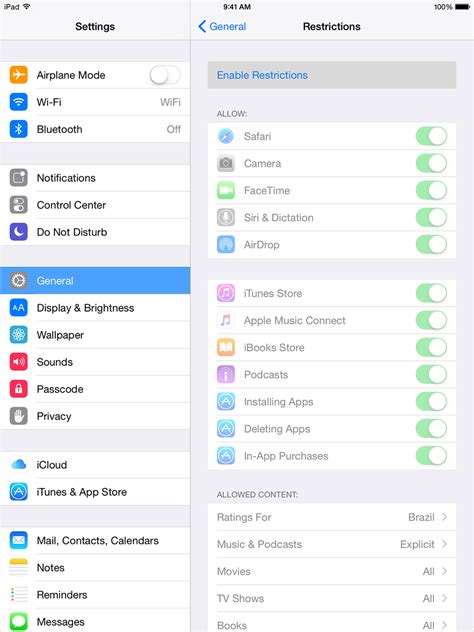
There are numerous technological tools available to assist parents in setting and enforcing screen limits. Many devices and operating systems offer built-in parental controls that allow you to:
- Set daily time limits for apps or overall device usage.
- Schedule downtime periods (e.g., overnight).
- Filter inappropriate content.
- Monitor usage (with transparent communication with your child).
Consider using timers for gaming sessions, and make sure devices are charged and stored in a central family area, not in bedrooms, especially overnight. This helps prevent ‘secret’ usage and promotes better sleep hygiene.
5. Model Healthy Digital Habits
Children are keen observers, and they will emulate your behavior. Reflect on your own relationship with screens. Do you spend excessive time on your phone during family meals? Are you checking emails late into the night? Modeling healthy digital habits means:
- Setting your phone aside during conversations.
- Engaging in screen-free family time.
- Explaining when and why you need to use a screen for work or communication.
- Demonstrating how to use technology mindfully and purposefully.
Show them that screens are tools, not constant companions. This includes talking about digital citizenship, online safety, and the importance of disconnecting.

6. Be Flexible and Review Regularly
Life changes, and so should your screen time rules. As children grow and their needs evolve, it’s important to be flexible. What worked for a 7-year-old might not be appropriate for a 13-year-old. Regularly review the boundaries with your children. Are they working? Do they need adjustments for a special occasion, school project, or new hobby? This ongoing dialogue reinforces the idea that digital wellness is a journey, not a static destination.
Maintaining open communication and a willingness to adapt ensures that the boundaries remain relevant and effective for the whole family.
Conclusion
Setting healthy gaming boundaries and screen limits is an ongoing process that requires patience, communication, and consistency. By involving children in the discussion, establishing clear rules, prioritizing real-world activities, utilizing technology, modeling good habits, and remaining flexible, parents can guide their children toward a balanced and responsible digital life. The goal is to equip them with the skills to navigate the digital world safely and healthily, allowing technology to enhance, rather than detract from, their overall well-being.