Smart strategies to balance gaming with family time & school?

Navigating the Digital Playground: Balancing Gaming, Family, and School
In today’s digital age, video games are an undeniable part of many children’s lives. While they offer entertainment, social connection, and even skill development, the challenge for parents often lies in striking a healthy balance. How can we ensure gaming doesn’t overshadow family time, schoolwork, and other crucial aspects of a child’s development? It’s a common dilemma, but with smart strategies, parents can guide their children toward responsible gaming habits.

Understanding the Allure of Gaming
Before implementing rules, it’s helpful to understand why games are so captivating. They offer immediate rewards, continuous challenges, social interaction (in multiplayer games), and a sense of accomplishment. Acknowledging this appeal can help parents approach the topic with empathy rather than outright prohibition.
Strategy 1: Establish Clear Boundaries and Schedules
Consistency is key. Work with your child to create a family schedule that allocates specific times for gaming, homework, chores, family activities, and bedtime. This visual aid can help children understand expectations and take ownership of their time. Agree on daily or weekly screen time limits and stick to them.

Strategy 2: Prioritize Responsibilities First
Make it a non-negotiable rule: schoolwork, chores, and essential responsibilities must be completed before any gaming time begins. This teaches valuable lessons in prioritization and delayed gratification. Consider using gaming as a reward for completed tasks rather than an automatic privilege.
Strategy 3: Integrate Gaming into Family Life (Occasionally)
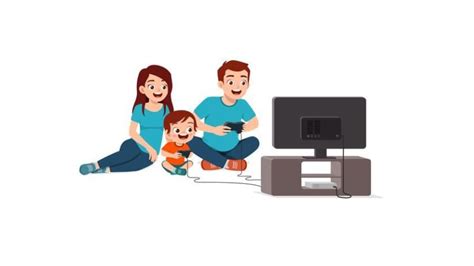
Instead of viewing gaming as an isolated activity, find ways to occasionally make it a family affair. Play age-appropriate games together, watch them play and ask about their progress, or discuss the stories and challenges within their games. This shared experience can open lines of communication and help you understand their world better.

Strategy 4: Foster Open Communication
Regularly talk to your child about their gaming habits, the benefits, and potential drawbacks. Encourage them to articulate why they enjoy gaming and how it makes them feel. Listen without judgment and express your concerns constructively. This builds trust and makes them more likely to come to you if they feel overwhelmed or addicted.
Strategy 5: Model Healthy Habits
Children learn by example. Reflect on your own screen time habits. Are you constantly on your phone or computer? Demonstrate healthy digital boundaries by putting away your devices during family meals, conversations, and before bedtime. Show them that there’s a world beyond screens that you value.

Strategy 6: Encourage Other Interests and Activities
Ensure your child has a wide range of interests outside of gaming. Encourage participation in sports, music, art, reading, outdoor play, or community activities. A diverse set of hobbies provides alternative outlets for energy and creativity, reducing the sole reliance on gaming for entertainment and social connection.

Conclusion
Balancing gaming with family time and school responsibilities is an ongoing process that requires patience, clear communication, and consistent boundaries. By implementing these strategies, parents can help their children develop self-regulation skills, appreciate the importance of a well-rounded life, and enjoy gaming as a fun activity that complements, rather than dominates, their daily lives.