Setting screen time rules for gaming: How to make them stick?

In today’s digital age, video games are an undeniable part of many children’s lives. While gaming offers numerous benefits, from problem-solving skills to social interaction, managing screen time can be a significant challenge for parents. Establishing clear, consistent rules for gaming is crucial, but making them stick requires a thoughtful approach. This guide will walk you through setting effective boundaries and ensuring they become a sustainable part of your family’s routine.
Why Screen Time Rules Are Essential
Unregulated gaming can lead to a host of issues, including disrupted sleep, neglecting schoolwork, reduced physical activity, and social isolation. Implementing screen time rules isn’t about deprivation; it’s about teaching balance, self-regulation, and prioritizing responsibilities. These boundaries help children understand the value of time, develop healthier habits, and engage with the world beyond the screen.
Involving Your Child in the Rule-Making Process
Rules imposed without discussion often lead to resentment and resistance. Involving your child in setting screen time rules gives them a sense of ownership and makes them more likely to adhere to the agreement. Start by having an open, non-judgmental conversation about their gaming habits, the benefits they see, and any challenges you observe.
- Collaborate on the ‘Why’: Explain the reasons behind the rules (e.g., for better sleep, completing homework, family time).
- Brainstorm Together: Ask for their input on how much time seems fair, when they should play, and what activities need to be completed first.
- Discuss Consequences: Jointly decide on logical consequences for breaking the rules, ensuring they are clear and proportionate.
Crafting Clear and Realistic Boundaries
Vague rules are difficult to follow and enforce. Ensure your screen time rules are specific, measurable, achievable, relevant, and time-bound (SMART).
- Be Specific: Instead of “less gaming,” say “30 minutes of gaming on weekdays after homework and chores are done.”
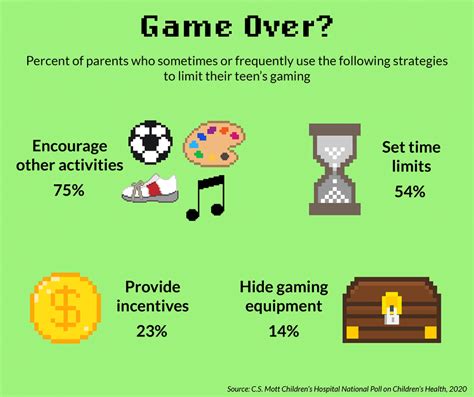
- Set Time Limits: Decide on daily or weekly limits. Consider using timers or built-in console/game settings to help manage this.
- Define “When” and “Where”: Establish specific times (e.g., no gaming after 8 PM) and locations (e.g., gaming only in the living room).
- “First-Then” Rules: Implement a “first, then” structure, where essential tasks (homework, chores, outdoor play) must be completed before gaming is allowed.
- Consider Game Ratings: Discuss appropriate games based on age ratings and content.

Strategies for Making Rules Stick
Setting rules is only half the battle; consistent enforcement is key to their success.
- Be Consistent: This is perhaps the most critical factor. If you allow exceptions frequently, the rules lose their meaning. Stick to the agreed-upon boundaries.
- Lead by Example: Children observe parental behavior. Model healthy screen habits yourself. Put away your phone during family meals or dedicated family time.
- Use Visual Aids: A printed family gaming contract or a whiteboard with daily allowances can serve as a constant reminder.
- Positive Reinforcement: Acknowledge and praise your child when they stick to the rules without argument. “I noticed you stopped gaming right when the timer went off; that shows great responsibility!”
- Offer Alternatives: Make sure there are appealing non-screen activities available, such as board games, books, art supplies, or outdoor play.

The Importance of Monitoring and Flexibility
Life changes, and so should your rules. Periodically review the screen time agreement with your child to ensure it’s still working for everyone.
- Regular Check-ins: Have weekly or monthly family meetings to discuss how the rules are working and if any adjustments are needed.
- Flexibility for Special Occasions: Be open to occasional, planned exceptions for holidays, sleepovers, or special events, but make it clear these are exceptions, not the new norm.
- Utilize Parental Controls: Leverage technological tools on consoles, PCs, and routers to help enforce time limits and content restrictions.
Handling Pushback and Disagreements
Expect some resistance, especially initially. Stay calm, firm, and empathetic.
- Reiterate Consequences: If a rule is broken, calmly implement the agreed-upon consequence. Avoid lecturing or shaming.
- Listen to Their Concerns: Sometimes, children may have valid reasons for wanting more screen time (e.g., a special online event with friends). Listen, acknowledge their feelings, and then refer back to the family agreement or discuss potential, pre-approved exceptions.
- Stay United as Parents: Ensure both parents are on the same page regarding rules and enforcement to avoid mixed messages.

Setting and maintaining screen time rules for gaming is an ongoing process that requires patience, consistency, and open communication. By involving your child, setting clear boundaries, modeling good behavior, and being prepared to adapt, you can foster a healthy digital environment that allows them to enjoy gaming responsibly while also thriving in other aspects of their lives.