Setting healthy gaming boundaries: What practical tips can parents use?

In today’s digital age, video games are an undeniable part of many children’s lives. While gaming offers numerous benefits, from problem-solving skills to social interaction, finding a healthy balance can be a significant challenge for parents. Establishing clear, consistent boundaries is crucial for ensuring that gaming remains a positive, enriching experience rather than a source of conflict or detriment to well-being.
The Importance of Healthy Gaming Boundaries
Unchecked gaming can lead to various issues, including sleep deprivation, academic decline, reduced physical activity, and social isolation. Healthy boundaries, however, promote responsible gaming habits, protect developing minds, and ensure children engage in a variety of activities essential for holistic growth. It’s not about prohibiting gaming entirely, but about guiding children towards a balanced lifestyle where digital play complements, rather than dominates, their lives.
Open Communication is Key
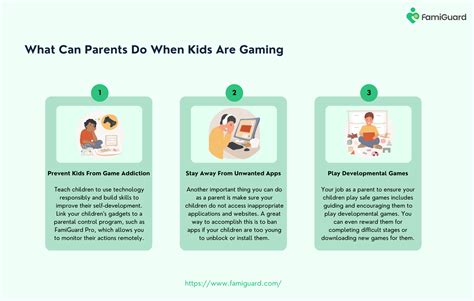
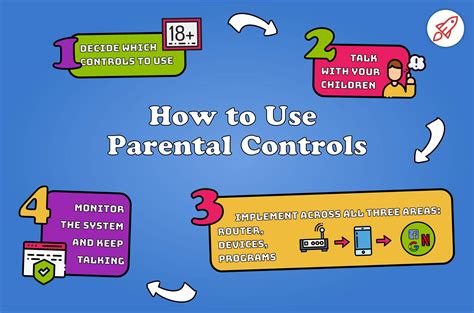
Start by having an open, non-judgmental conversation with your child about gaming. Instead of simply imposing rules, try to understand their perspective. Ask what they enjoy about specific games, who they play with, and what challenges they face. This approach fosters trust and makes them more likely to adhere to boundaries you set together.
Explain why boundaries are important – not as a punishment, but as a way to ensure they get enough sleep, do well in school, and have time for other fun activities. This helps them understand the reasoning behind the limits, making them feel more involved and respected.
Establish Clear and Consistent Rules
One of the most effective strategies is to set clear, specific rules that are understood by everyone. These might include:
- Time Limits: Decide on a daily or weekly maximum for gaming. For example, 30 minutes on weekdays and an hour on weekends. Use timers or parental control features to enforce these limits.
- Game Ratings: Only allow age-appropriate games based on ratings like ESRB or PEGI. Research games before your child plays them.
- No Gaming Zones/Times: Designate certain times (e.g., during homework, meal times, an hour before bedtime) or places (e.g., bedroom) as no-gaming zones. Common areas often work best for gaming.
- Earned Playtime: Link gaming time to responsibilities, such as completing homework or chores.
Consistency is paramount. Once rules are established, stick to them. Inconsistencies can lead to confusion and challenges to boundaries.

Utilize Parental Control Tools
Most modern gaming consoles, PCs, and mobile devices offer robust parental control settings. These tools can be invaluable for enforcing boundaries:
- Screen Time Management: Set specific playtimes and lockouts.
- Content Restrictions: Block inappropriate games or content based on age ratings.
- Purchase Limits: Prevent unauthorized in-game purchases.
- Communication Settings: Control who your child can interact with online.
Familiarize yourself with these settings on all devices your child uses. They provide an extra layer of protection and help maintain consistency.
Encourage Diverse Interests and Activities
A balanced lifestyle is the ultimate goal. Actively encourage your child to explore and engage in other activities beyond gaming. This could include sports, reading, art, music, outdoor play, or spending time with friends in person. Offer appealing alternatives to screen time. Lead by example by demonstrating your own engagement in hobbies and limiting your own screen time.
Lead by Example and Monitor Progress
Children often mirror their parents’ behavior. Be mindful of your own screen habits and demonstrate a healthy balance. Regularly check in with your child about their gaming habits and how they’re feeling. Be prepared to adjust rules as they grow and mature, or as new games and platforms emerge. What works for a 7-year-old might not be appropriate for a 13-year-old.

Understand the Games They Play
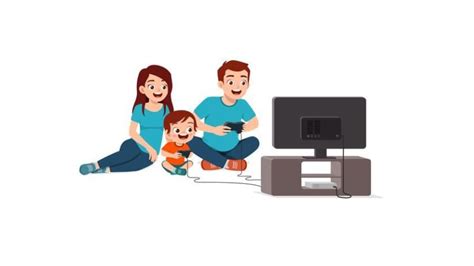
Show genuine interest in your child’s gaming world. Ask them to show you their favorite games, play with them occasionally, or watch them play. Understanding the content, the community, and the challenges involved can give you valuable insight, help you make informed decisions, and strengthen your bond.

Conclusion
Setting healthy gaming boundaries is an ongoing process that requires patience, communication, and adaptability. By implementing practical strategies such as establishing clear rules, using parental controls, encouraging diverse activities, and maintaining open dialogue, parents can guide their children towards a balanced and responsible relationship with gaming. The ultimate aim is not to restrict fun, but to foster well-rounded individuals who can enjoy the benefits of digital entertainment without sacrificing their overall health and development.