





Practical tips to choose age-appropriate games & manage screen time?

Navigating the Digital Playground: A Parent’s Guide
In today’s digitally saturated world, video games and interactive apps are an undeniable part of childhood. While they offer entertainment and can even foster learning, parents often grapple with two significant challenges: selecting games that are truly beneficial and age-appropriate, and managing the amount of time their children spend in front of screens. This guide offers practical tips to help you strike a healthy balance and ensure your child’s digital experiences are positive and enriching.

Understanding Age-Appropriate Games
Why Age-Appropriateness Matters
Choosing games that align with your child’s developmental stage is crucial. Inappropriate content can expose children to violence, mature themes, or complex concepts they are not ready to process, potentially causing anxiety or confusion. Conversely, games too simple or too complex can lead to boredom or frustration, hindering engagement and learning.
Key Factors to Consider When Choosing Games
- Ratings Systems: Familiarize yourself with national and international game rating systems like ESRB (Entertainment Software Rating Board) in North America, PEGI (Pan European Game Information) in Europe, or similar systems in your region. These ratings provide guidelines on age suitability and content descriptors (e.g., violence, language, crude humor).
- Content Themes: Look beyond just the rating. Research the game’s actual content. Does it involve problem-solving, creativity, cooperation, or does it focus solely on combat or repetitive tasks? Consider if the themes resonate positively with your family values.
- Educational Value: Many games offer genuine educational benefits, enhancing cognitive skills, critical thinking, and even hand-eye coordination. Seek out games that present challenges and encourage learning.
- Complexity and User Interface: Ensure the game’s mechanics and interface are manageable for your child’s age. Overly complicated controls can frustrate younger children, while overly simplistic games might bore older ones.
- Online Interaction: Be mindful of games with online multiplayer features. These can expose children to interactions with strangers, which require strict parental supervision and discussion about online safety.

Effective Strategies for Screen Time Management
Establishing Clear Rules and Boundaries
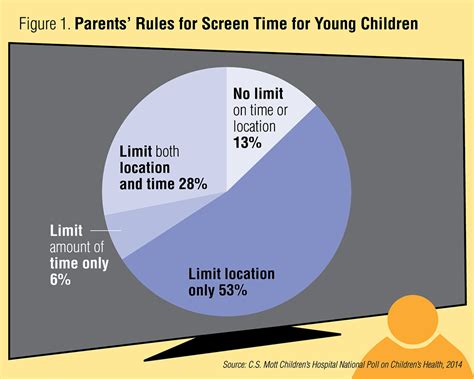
Consistency is key when it comes to screen time. Work with your child to establish clear, understandable rules. This might include:
- Time Limits: Decide on a daily or weekly screen time allowance. For younger children, short, focused sessions (e.g., 15-30 minutes) are often more beneficial than long stretches.
- Screen-Free Zones: Designate certain areas or times as screen-free, such as bedrooms at night, during meals, or family gatherings.
- Digital Contracts: For older children, consider creating a family digital contract that outlines expectations, consequences for breaking rules, and mutual understanding of technology use.
Balancing Screen Time with Other Activities
Screen time should complement, not replace, other essential childhood activities. Encourage a diverse range of experiences:
- Outdoor Play: Prioritize time for physical activity, fresh air, and exploring nature.
- Reading and Creative Arts: Foster a love for books, drawing, music, and imaginative play.
- Social Interaction: Encourage face-to-face playdates, family conversations, and community involvement.
- Chores and Responsibilities: Integrate screen time into a routine that includes household tasks and other duties.
Modeling Healthy Digital Habits
Children learn by example. Your own relationship with screens significantly influences theirs. Be mindful of your phone usage, avoid excessive scrolling, and engage in screen-free activities with your children. Discuss your own digital habits and why balance is important for everyone.

Practical Tips for Implementation
- Communicate Openly: Talk to your children about why these rules exist. Explain the benefits of balanced screen use and the potential downsides of excessive use.
- Co-Play and Explore: Engage with your children in their digital world. Play games with them, watch what they’re doing, and discuss their experiences. This helps you understand the content and provides opportunities for bonding.
- Utilize Parental Controls: Most devices and platforms offer parental control features that can limit access to certain content, manage in-app purchases, and set time restrictions. Use them!
- Be Flexible, But Firm: There will be times for exceptions (e.g., long trips, sick days), but generally stick to the established rules.

Conclusion
Navigating the world of digital entertainment with children doesn’t have to be overwhelming. By thoughtfully choosing age-appropriate games and implementing consistent, balanced screen time management strategies, parents can help their children develop healthy digital habits that support their overall growth and well-being. Remember, it’s about integration, not isolation, ensuring screens are a tool for enrichment rather than a source of contention.