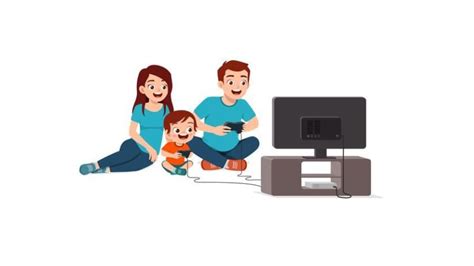
Practical tips for setting healthy gaming screen time limits?

Navigating the Digital Playground: Why Limits Matter
In today’s digitally saturated world, video games are an integral part of many children’s lives. While gaming offers numerous benefits, from problem-solving skills to social interaction, finding a healthy balance can be a significant challenge for parents. Setting appropriate screen time limits isn’t about outright banning games; it’s about fostering a balanced lifestyle that prioritizes physical health, academic success, and real-world connections. The key lies in practical strategies that work for your family, promoting understanding and cooperation rather than constant conflict.

Open Communication: Collaborate, Don’t Dictate
One of the most effective approaches to setting gaming screen time limits is to involve your children in the conversation. Instead of imposing rules unilaterally, sit down with them to discuss the ‘why’ behind the limits. Talk about the importance of sleep, physical activity, schoolwork, and family time. When children feel heard and understand the rationale, they are more likely to buy into the rules. Work together to establish boundaries that everyone can agree upon, making it a shared family commitment.
Define Clear Expectations and Consequences
Ambiguity is the enemy of effective screen time limits. Be very specific about when gaming is allowed, for how long, and what happens if the rules are not followed. For example, “Gaming is allowed for one hour after homework is done, between 4 PM and 6 PM on weekdays, and for two hours on weekend afternoons.” Clearly outline the consequences for exceeding limits, such as reduced time the next day or loss of gaming privileges. Consistency is crucial; stick to the agreed-upon rules to build trust and demonstrate their importance.
Utilize Technology: Parental Controls and Built-in Features
Many gaming consoles, computers, and mobile devices offer robust parental control settings that can be incredibly helpful. These tools allow you to set specific time limits, block certain content, and even schedule downtime. Explore these features and use them to support your family’s agreed-upon limits. Some games and platforms also have built-in timers that can automatically stop gameplay after a set duration. Leverage these technological aids to enforce boundaries without constant parental intervention, reducing daily power struggles.
Encourage a Diverse Range of Activities
Gaming often fills a void, so offering appealing alternatives is vital. Encourage your children to explore other interests and activities, both solitary and social. This could include sports, reading, creative arts, outdoor play, board games, or spending time with friends offline. Create a home environment rich with opportunities for these alternative pursuits. The goal is not just to limit gaming, but to broaden their horizons and ensure they have a well-rounded range of experiences and skills.

Lead by Example: Model Healthy Screen Habits
Children are keen observers, and they will often mirror their parents’ behavior. Reflect on your own screen habits. Are you constantly checking your phone? Do you spend excessive time on social media or watching TV? Modeling healthy digital habits—like designated screen-free times, putting devices away during meals, and prioritizing face-to-face interactions—sends a powerful message. It shows your children that these limits apply to everyone and that a balanced approach to technology is a family value.

Be Flexible and Review Regularly
What works for a 7-year-old might not work for a 14-year-old. As children grow and their responsibilities change, their screen time needs and capabilities evolve. Regularly review your family’s gaming rules. Are they still appropriate? Is there room for more autonomy as they demonstrate responsibility? Acknowledge good behavior and be willing to adjust limits in response to maturity and changing circumstances. This flexibility shows respect and encourages continued cooperation.

Cultivating a Balanced Digital Life
Setting healthy gaming screen time limits is an ongoing process that requires patience, consistency, and open communication. By involving your children, setting clear expectations, utilizing available tools, encouraging alternative activities, and modeling good habits, you can guide them toward a balanced relationship with technology. The ultimate goal is to equip them with the skills to manage their digital lives responsibly, ensuring that gaming remains a fun and enriching activity without overshadowing other vital aspects of their development and well-being.