Practical tips for parents to manage in-game purchases and microtransactions?

Understanding the Lure of In-Game Purchases
In today’s digital age, video games are more accessible and engaging than ever before. While they offer immense entertainment and social connection, many games, particularly free-to-play titles, heavily rely on in-game purchases and microtransactions for revenue. These can range from cosmetic items (skins, emotes) and virtual currency to power-ups, loot boxes, and even early access to content. For parents, managing these expenditures can feel like navigating a minefield, as children can easily be tempted to spend real money without fully grasping the implications.
Open Communication and Setting Clear Boundaries
The first and most crucial step is to foster open and honest communication with your child about money and spending. Discuss the value of money and how in-game items, while fun, are often not essential for enjoying the game. Establish clear rules and expectations from the outset:
- Discuss Spending Limits: Decide together if any in-game purchases are allowed, and if so, what the strict budget will be.
- Explain Real Money: Help them understand that virtual currency translates to real money from your bank account or credit card.
- No Unapproved Purchases: Make it clear that no purchases are to be made without your explicit permission.
- Consequences: Outline the consequences for unauthorized spending, which could include temporary game restrictions.

Utilize Parental Controls and Account Security
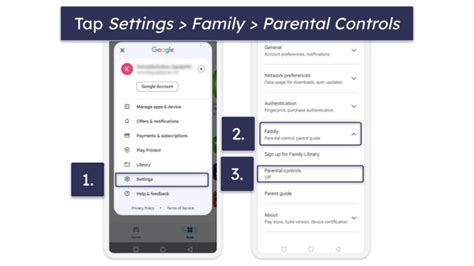
Most gaming platforms (PlayStation, Xbox, Nintendo, Steam, Google Play, Apple App Store) offer robust parental control settings that can restrict or prevent in-game purchases. Take the time to explore and configure these options:
- Require Passwords for Purchases: Set up a password or PIN that must be entered before any transaction can be completed. This is the most effective deterrent against impulse buys.
- Disable In-App Purchases Entirely: For younger children or those prone to accidental spending, you can often disable in-app purchases altogether.
- Set Spending Limits: Some platforms allow you to set monthly or weekly spending limits for accounts.
- Avoid Storing Payment Information: Do not save your credit card details directly on gaming consoles or app stores. Manually enter information each time, or better yet, use gift cards.
Educate Yourself and Your Child on Game Mechanics
Understanding how microtransactions are designed can empower both you and your child. Many games use psychological tactics, such as limited-time offers, randomized loot boxes (which mimic gambling), and making virtual currency seem less valuable than real money. Teach your child to:
- Identify Persuasive Tactics: Help them recognize when games are trying to pressure them into spending.
- Understand Odds and Value: Explain that loot boxes are often a gamble and the chances of getting rare items are very low.
- Practice Delayed Gratification: Encourage them to save up virtual currency earned in-game rather than immediately buying items with real money.

Monitor Playtime and Spending Habits
While trust is important, regular monitoring is a crucial part of responsible digital parenting. Periodically review your child’s game activity and, if applicable, check transaction histories on your payment accounts. This isn’t about being intrusive but about ensuring boundaries are respected and identifying any potential issues early. This can also be an opportunity to have further discussions about responsible spending and digital citizenship.

Conclusion: Empowering Responsible Gamers
Managing in-game purchases and microtransactions effectively comes down to a combination of education, clear rules, and smart use of available technological tools. By being proactive, open, and consistent, parents can empower their children to enjoy gaming responsibly without falling prey to excessive or unauthorized spending. This approach not only protects your wallet but also fosters valuable financial literacy skills that will benefit your children in the long run.