Practical tips for balancing kids’ gaming with real-world play?

Navigating the Digital Playground: Finding Harmony for Your Children
In today’s fast-paced digital age, video games have become an undeniable part of many children’s lives. While they offer avenues for entertainment, learning, and social connection, the allure can sometimes overshadow the equally vital real-world experiences crucial for holistic development. For parents, striking the right balance between the captivating virtual world and essential physical, social, and creative play can feel like a constant negotiation. This article offers practical, actionable tips to help you guide your children towards a healthy equilibrium, ensuring they reap the benefits of both worlds.
Understanding the Appeal and Potential Pitfalls
Before implementing strategies, it’s helpful to understand why gaming is so appealing. Games often provide instant gratification, a sense of achievement, social interaction with friends, and an escape into imaginative worlds. However, excessive gaming can lead to sedentary lifestyles, reduced face-to-face social skills, sleep disturbances, and a diminished interest in other activities.
Establish Clear Boundaries and Routines
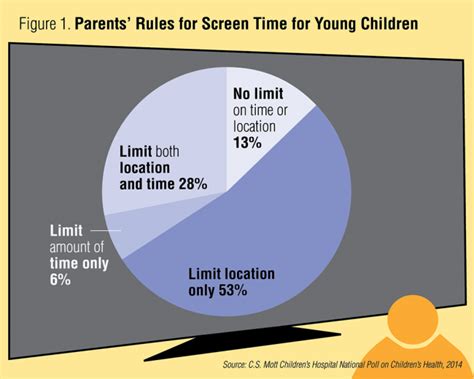
One of the most effective ways to manage gaming is to set clear, consistent boundaries. This isn’t about deprivation, but about creating a predictable structure. Discuss these rules with your children, explaining the ‘why’ behind them.
- Time Limits: Decide on a reasonable amount of daily or weekly gaming time. Tools and app features on many gaming consoles and devices can help enforce these limits automatically.
- Designated Gaming Times: Schedule gaming periods, perhaps after homework or chores are done, and before dinner or bedtime.
- Screen-Free Zones and Times: Implement rules like ‘no screens at the dinner table’ or ‘no gaming an hour before bed’ to encourage family interaction and better sleep hygiene.
Encourage Engaging Real-World Alternatives
Simply limiting gaming isn’t enough; you need to offer compelling alternatives. The real world is rich with opportunities for growth and fun.
- Outdoor Adventures: Promote activities like biking, hiking, playing in the park, gardening, or simply exploring the neighborhood. Fresh air and physical activity are vital for physical and mental health.
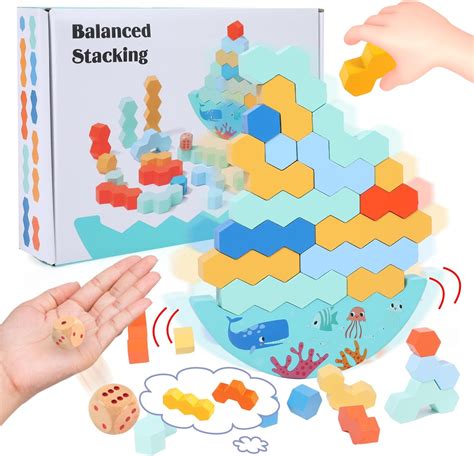
- Creative Play: Encourage drawing, painting, building with LEGOs, playing musical instruments, reading, or engaging in imaginative role-play. These activities foster creativity, problem-solving, and fine motor skills.
- Social Interaction: Arrange playdates, family game nights, or volunteer opportunities. Direct social interaction builds crucial communication and empathy skills that virtual interactions can’t fully replicate.
- Family Activities: Plan outings to museums, libraries, or local events. Engage in cooking together or working on a family project.

Lead by Example and Participate
Children are excellent imitators. Your own relationship with screens significantly influences theirs. Be mindful of your own screen time, especially when you’re with your kids. Furthermore, showing interest in their gaming, and even participating occasionally, can bridge the gap between their virtual world and your expectations. Play a game with them, ask about their strategies, and connect over their interests. This can also provide an opportunity to discuss online safety and good digital citizenship.
Flexibility and Communication are Key
As children grow, their needs and interests evolve. What works today might need adjustment tomorrow. Maintain open lines of communication. Regularly discuss screen time rules and the importance of balance. Listen to their perspectives and be willing to be flexible when appropriate, perhaps allowing extra gaming time for a special event or if they’ve met certain real-world play goals.
Balancing kids’ gaming with real-world play is an ongoing process that requires patience, consistency, and a proactive approach. By setting clear boundaries, offering attractive alternatives, leading by example, and fostering open communication, you can help your children develop healthy habits that will benefit them for a lifetime, ensuring they enjoy the best of both the digital and physical worlds.