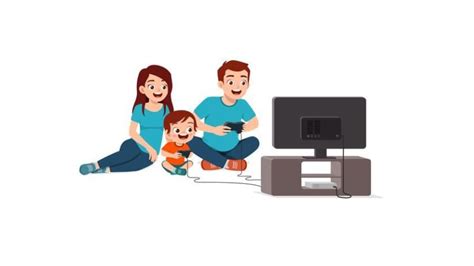
Practical tips for balancing kids’ gaming with homework & family time?

Navigating the Digital Playground: Balancing Gaming, Homework, and Family Life
In today’s digital age, video games are an undeniable part of many children’s lives. While gaming offers entertainment, social interaction, and even cognitive benefits, it often clashes with the crucial demands of homework and the importance of family time. Striking the right balance can feel like an impossible quest for parents, but with practical strategies and consistent effort, it’s entirely achievable.
Understanding the Challenge and Its Importance
The allure of gaming is powerful. Its interactive nature, instant gratification, and social components can make it incredibly difficult for children to disengage. However, unchecked gaming can lead to neglected studies, reduced physical activity, strained family relationships, and even sleep issues. Establishing a healthy balance is vital for a child’s academic success, emotional well-being, and development of real-world social skills.
Setting Clear Boundaries and Routines
Establish Screen Time Limits
Work with your children to set clear, age-appropriate limits for gaming. This isn’t about punishment; it’s about creating structure. Discuss and agree upon daily or weekly allowances, considering school nights versus weekends. Use timers or built-in console features to help manage these limits effectively.
Implement a Homework-First Policy
Make it non-negotiable: homework and other essential chores must be completed before any gaming begins. This teaches responsibility and prioritizes academics. Consistency is key here; don’t give in to pleas, as it undermines the rule.

Strategic Scheduling and Integration
Create a Family Schedule
Develop a visual schedule that includes dedicated times for homework, chores, family activities, outdoor play, and, yes, gaming. When children can see their day laid out, they understand expectations better and can anticipate their gaming time, making transitions smoother.
Use Gaming as a Reward
Instead of viewing gaming as a right, frame it as a privilege or a reward for completing responsibilities. For example, ‘Once your math homework is done and your room is tidy, you can have 30 minutes of game time.’ This reinforces positive behavior and motivates them to tackle less exciting tasks first.

Nurturing Family Connections and Other Interests
Prioritize Unplugged Family Time
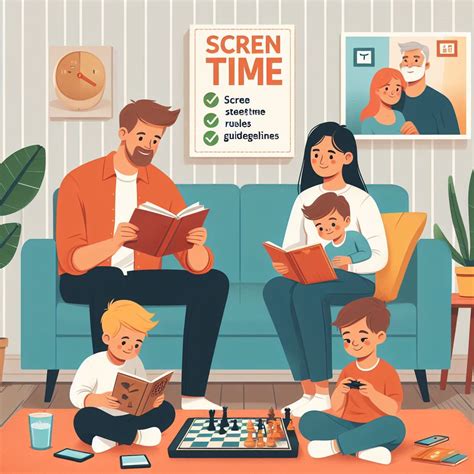
Schedule regular, dedicated family time that is completely free of screens. This could be family dinners, game nights, walks in the park, or movie nights. These moments are crucial for bonding, communication, and creating lasting memories. Lead by example by putting your own devices away.
Encourage Diverse Activities
Help your children discover and engage in a variety of hobbies and interests beyond screens. Enroll them in sports, art classes, music lessons, or encourage reading, building, or outdoor exploration. The more diverse their interests, the less reliant they will be on gaming for entertainment.

Communication, Flexibility, and Leading by Example
Talk to Your Kids
Involve your children in the discussion about screen time and balance. Help them understand why these rules are important for their well-being, rather than just imposing them. Listen to their perspectives and concerns.
Be Flexible and Reassess
Life happens. Some days might require more flexibility, like during school breaks or special events. Be prepared to adjust rules occasionally, and regularly reassess if the current balance is working for everyone. What works for a 7-year-old might not work for a 13-year-old.
Model Healthy Habits
Children learn by watching their parents. If you’re constantly glued to your phone or computer, it sends a mixed message. Demonstrate healthy screen habits yourself – put away your phone during meals, engage in non-screen hobbies, and dedicate time to family.
The Benefits of a Balanced Approach
Successfully balancing gaming with other aspects of life leads to children who are well-rounded, responsible, and capable of self-regulation. They develop better time management skills, appreciate the value of both work and play, maintain strong family bonds, and achieve greater academic success. It’s an investment in their overall development and happiness.

Finding the sweet spot between screen time and real-life responsibilities is an ongoing journey, not a destination. With consistent effort, open communication, and a willingness to adapt, you can help your children enjoy their games responsibly while thriving in all other areas of their lives.