Practical strategies for parents to set healthy gaming limits for kids?

Navigating the Digital Playground: Setting Healthy Gaming Limits
In today’s digitally saturated world, video games are an undeniable part of many children’s lives. While gaming can offer benefits like problem-solving skills, strategic thinking, and social interaction, it’s crucial for parents to establish healthy boundaries. This proactive approach helps prevent potential downsides such as disrupted sleep, academic neglect, and social isolation. The key lies not in outright banning, but in finding a balanced approach that promotes responsible engagement and overall well-being.

Why Healthy Limits Matter for Kids’ Development
Understanding the ‘why’ behind gaming limits can help parents communicate their rationale more effectively to their children. Excessive gaming can significantly impact a child’s physical health (leading to a sedentary lifestyle, eye strain, and poor posture), mental well-being (potential for addiction, exposure to inappropriate content, and increased anxiety), and social development (reducing valuable face-to-face interactions). Setting limits is about teaching self-regulation, time management, and ensuring a well-rounded childhood experience that includes diverse activities.
Practical Strategies for Parents to Implement
1. Establish Clear and Consistent Rules
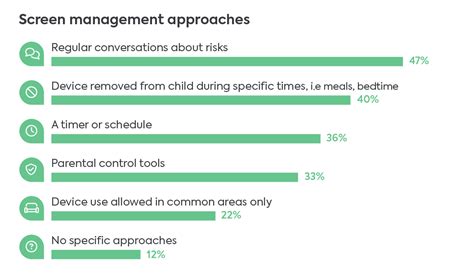
The foundation of healthy gaming limits is clear communication and consistent enforcement. Involve your children in the discussion when setting rules, explaining the reasons behind them in an age-appropriate manner. Decide on specific time limits (e.g., daily allowance, weekly total, weekend flexibility), acceptable gaming times (e.g., after homework, before dinner), and designated gaming areas (e.g., common family space). Write these rules down and display them prominently as a family agreement.
- Time Caps: Agree on specific daily or weekly gaming allowances.
- Time Slots: Define specific periods when gaming is permitted.
- Game Content: Discuss age-appropriate games based on ratings and family values.
2. Utilize Parental Control Tools
Most gaming consoles, platforms (like Steam or Xbox Live), and even home Wi-Fi routers offer robust parental control features. These technological tools can be invaluable in helping you enforce time limits, restrict access to certain games or content, and monitor online activity. Learn how to use them effectively and integrate them into your overall strategy. Remember, technology serves as a helpful tool but should not replace open communication and trust-building with your children.
3. Promote and Offer Engaging Alternative Activities
A crucial part of reducing gaming time is offering attractive alternatives that capture your child’s interest. Encourage participation in physical sports, creative arts, reading, outdoor play, board games, or family activities like cooking or hiking. Make sure these alternatives are genuinely engaging and accessible. Sometimes, boredom is the primary driver for excessive screen time, so providing exciting options is key.

4. Lead by Example with Your Own Screen Habits
Children are keen observers and often mirror their parents’ behaviors. Your own screen habits set a powerful precedent. Be mindful of your phone and other screen usage, especially during dedicated family time or meals. Demonstrate a balanced approach to technology, showing that there’s a rich and engaging world beyond screens worth exploring and experiencing.
5. Create “Screen-Free” Zones and Times
Designate specific times (e.g., meal times, an hour before bedtime, family outings) or areas (e.g., bedrooms, dining table) as entirely screen-free. This helps kids disconnect, promotes face-to-face interaction and conversation, and significantly contributes to better sleep hygiene, which is vital for their development and health.
![[300+] Fotos De Família | Wallpapers.com](/images/aHR0cHM6Ly90czIubW0uYmluZy5uZXQvdGg/aWQ9T0lQLlFhWlNra1RvT0EtQ3pqU2FzWVBWQkFIYUU3JnBpZD0xNS4x.webp)
6. Be Flexible and Review Rules Regularly
As children grow, their needs, interests, and responsibilities change. What works for a 7-year-old might not be suitable for a 13-year-old. Regularly review your gaming rules as a family, ideally every few months or as significant changes occur. Open dialogue allows for adaptation and ensures the rules remain relevant, fair, and continue to support your child’s evolving development.
Setting healthy gaming limits is an ongoing process that requires patience, consistency, and understanding. By implementing these strategies, parents can effectively guide their children towards a balanced and responsible relationship with technology, ensuring they enjoy the benefits of gaming without compromising their overall well-being, development, and family harmony.