How to structure game beginner guides to prevent new player overwhelm effectively?
Mastering the Art of New Player Onboarding
Entering a new video game can be an exhilarating yet daunting experience. For many new players, the initial moments are crucial, determining whether they’ll stick around or abandon the game out of frustration. A well-structured beginner guide is not just helpful; it’s essential for preventing overwhelm and fostering long-term player engagement. The challenge lies in presenting complex information in an accessible, digestible format. This article will explore effective strategies for structuring game beginner guides to ensure a smooth and enjoyable introduction for every new adventurer.

Common Mistakes in Beginner Guide Design
Before diving into effective strategies, it’s important to recognize why many guides fail. The most common pitfalls include:
- Information Overload: Dumping every piece of game knowledge on a new player at once.
- Jargon-Heavy Language: Using game-specific terminology without prior explanation.
- Lack of Prioritization: Treating all information as equally important, rather than distinguishing between “must-know” and “nice-to-know.”
- Uncontextualized Learning: Explaining mechanics without showing their immediate relevance or application.
- Ignoring Learning Curves: Expecting players to master complex systems instantly.
Core Principles for Preventing Overwhelm
To combat these issues, guides should adhere to several fundamental principles:
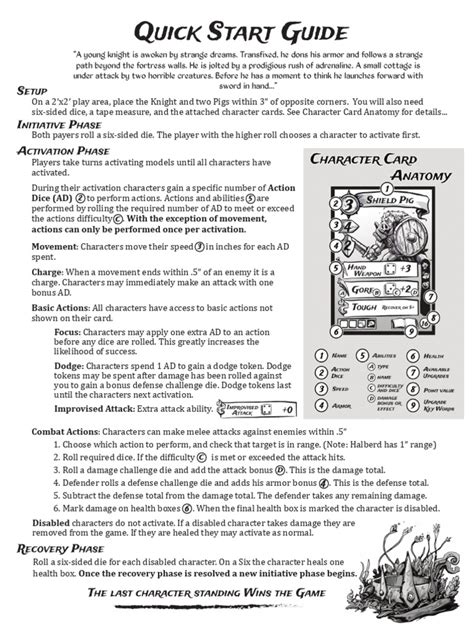
- Progressive Disclosure: Reveal information only when it becomes relevant or necessary. Don’t show advanced UI elements or mechanics until the player is ready to engage with them.
- Chunking Information: Break down complex topics into smaller, manageable pieces. Each “chunk” should have a clear, focused objective.
- Prioritization & Scaffolding: Clearly distinguish between core mechanics, optional features, and advanced strategies. Build understanding layer by layer, providing a “scaffold” for new knowledge.
- Contextual Learning: Show, don’t just tell. Explain mechanics within the context of immediate gameplay scenarios.
- Action-Oriented Steps: Focus on what the player can do right now. Provide clear, actionable steps rather than abstract concepts.

A Phased Approach to Guide Structure
An effective beginner guide often benefits from a phased approach, mirroring the player’s natural progression through the game. Consider structuring your guide into distinct “first impression” segments:
Phase 1: The First 15 Minutes (Immediate Immersion)
This phase is about getting the player into the game quickly and demonstrating its core loop. Focus on:
- Basic Controls: Movement, camera, basic interaction.
- Core Objective: What is the absolute first thing the player needs to achieve?
- Initial UI Elements: Only show the essential UI needed for immediate tasks.
- Key Game Hook: Showcase what makes the game fun right now.
Keep explanations extremely concise. Use visuals heavily.

Phase 2: The First Hour (Expanding Horizons)
Once the player understands the absolute basics, gradually introduce more depth:
- Common Mechanics: Combat, crafting basics, resource gathering, quest acceptance.
- Basic Systems: Inventory management, simple character progression (e.g., leveling up once).
- Navigation & Exploration: How to use a map, identify points of interest.
- Common Challenges: Explain the first few types of enemies or obstacles they’ll encounter.
This phase can be where the guide expands slightly, offering more detailed explanations for specific actions.
Phase 3: The First Few Sessions (Building Competence)
Now, players are starting to feel comfortable. This is the time to delve into interconnected systems and strategic thinking:
- Deeper Progression: Skill trees, equipment upgrades, faction systems.
- Strategic Choices: Explaining different playstyles, build paths, or mission approaches.
- Economy & Resources: How to earn and spend currency, managing rarer resources.
- Social Features: If applicable, how to interact with other players.
At this point, you can start to introduce more comprehensive overviews, linking to more detailed “intermediate” guides if necessary.

Best Practices for Writing and Presentation
Beyond structure, how you present the information is equally vital:
- Simple, Clear Language: Avoid jargon until it’s properly introduced. Use active voice and short sentences.
- Visual Aids are Key: Screenshots, diagrams, and video clips (even if implied by empty image anchors here) make complex ideas easier to grasp. Point directly to UI elements or in-game objects.
- Encourage Experimentation: Frame some discoveries as part of the fun. Don’t try to explain everything, but give enough information to empower players to explore.
- Focus on “Why”: Explain not just how to perform an action, but why it’s beneficial or important.
- Provide Next Steps: Always hint at what the player should do next or what they can look forward to learning.

Empowering New Players, Ensuring Retention
Structuring game beginner guides effectively is an art form that balances comprehensive information with progressive learning. By chunking content, prioritizing essentials, and employing a phased approach, developers and guide creators can transform potential overwhelm into an engaging and empowering onboarding experience. A well-designed guide not only prevents new players from quitting but also lays the foundation for a deep, lasting connection with the game, ultimately contributing to higher player retention and a thriving community.