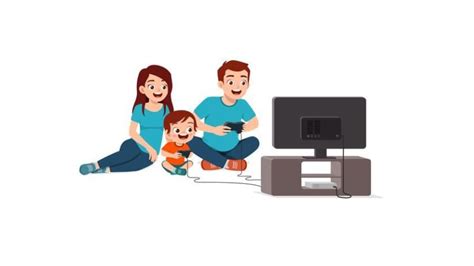
How to smoothly end game sessions & avoid meltdowns for better family harmony?

Ending a thrilling game session can often feel like defusing a ticking time bomb in many households. The transition from virtual adventure to real-world responsibilities can trigger intense frustration, anger, and full-blown meltdowns in children. But what if there was a way to navigate these moments with greater ease, preserving both your child’s peace and your family’s harmony? This article explores practical strategies to help your children disengage from gaming smoothly, turning potential conflict into opportunities for growth and cooperation.
Understanding the Gaming Brain: Why Transitions Are Tough
For children, video games offer an highly immersive world where they often feel competent, challenged, and in control. This “flow state” is incredibly engaging, releasing dopamine and creating a powerful draw. Suddenly pulling them out of this can feel like an abrupt interruption of a significant activity, akin to an adult being yanked out of a crucial work meeting or an engrossing book. Their brains are still wired into the game’s objectives, and the sudden shift can be genuinely disorienting and frustrating, leading to emotional outbursts.
Recognizing that your child isn’t being “defiant” but rather struggling with a difficult cognitive and emotional shift is the first step towards a more empathetic and effective approach. It’s not just about stopping play; it’s about managing a transition from one state of mind to another.

Proactive Strategies for Smooth Disengagement
1. Set Clear Expectations Before Play Begins
The golden rule for smooth transitions is preparation. Before your child even picks up the controller or tablet, discuss the plan. Clearly state how long the session will last and what will happen afterward. For younger children, visual timers (like sand timers or digital clocks with countdown features) can be incredibly helpful. For older kids, agreeing on a specific time or number of rounds/missions can work.
Example: “You can play for 30 minutes, and then we’re going to read a book together.” Or “You can finish this level, but then it’s time to set up for dinner.” Make sure the expectations are realistic and that your child understands them.
2. Implement a Warning System
Surprise endings are rarely well-received. Provide consistent warnings as the end of the session approaches. A common and effective strategy is a “10-minute warning” and then a “5-minute warning.” This gives your child time to mentally prepare for the transition and find a good stopping point.
Saying, “Ten more minutes until screen time is over. Remember, after this, we’ll be [doing the next activity]” allows them to acknowledge the upcoming change. The five-minute warning reinforces it, giving them a final countdown to save their game, finish a task, or reach a natural break.

Making the Transition Positive and Engaging
3. Offer a “Bridge” Activity or Incentive
Instead of just saying “stop,” offer an enticing “what’s next.” Having a planned, engaging activity to transition to can significantly reduce resistance. This could be playing a board game, going for a walk, helping with a fun cooking task, or even just cuddling up for story time.
The bridge activity doesn’t have to be grand; it just needs to provide a clear, positive shift in focus. This helps your child move from the game world to the real world with something appealing awaiting them, rather than just an abrupt void.

4. Acknowledge Feelings, But Hold Boundaries
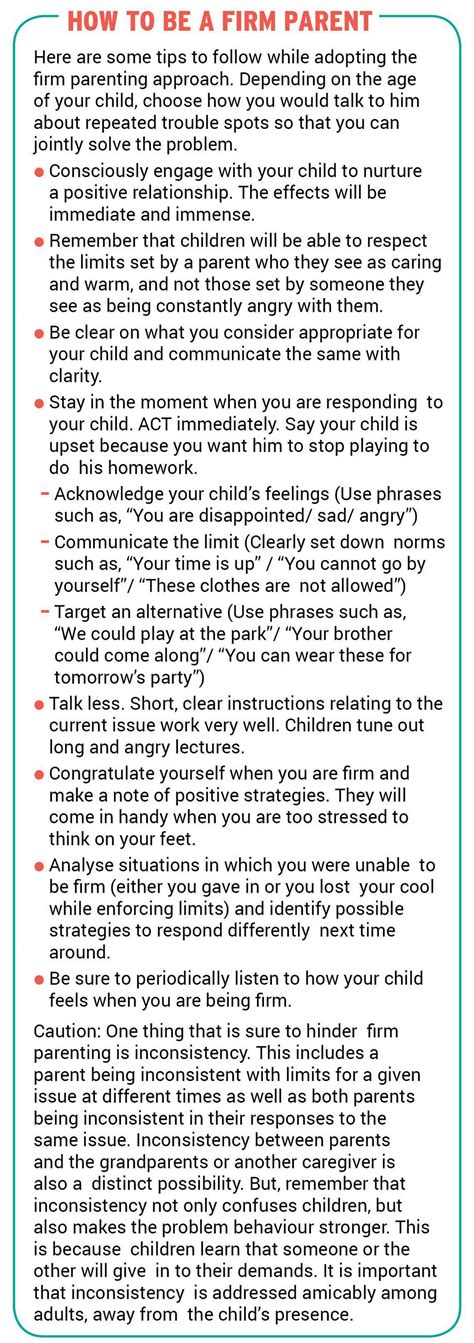
When your child expresses frustration or sadness about ending play, acknowledge their feelings without giving in to demands for more time. “I know it’s hard to stop playing when you’re having so much fun. It’s frustrating to leave a game in the middle.” This validates their emotions, showing empathy and understanding.
However, follow this with a firm but gentle reminder of the boundary: “And now it’s time to put the controller away. You can play again tomorrow.” This teaches them that while their feelings are valid, boundaries are consistent and must be respected.
Consistency, Consequences, and Role Modeling
5. Be Consistent and Follow Through
Consistency is paramount. If you allow “just five more minutes” after a meltdown, you inadvertently teach your child that meltdowns are effective tools for getting more screen time. Stick to the agreed-upon limits every single time. It will be challenging initially, but over time, your child will learn that “no” means “no” and that the rules are non-negotiable.
Implement age-appropriate consequences for non-compliance, such as reduced screen time the next day. Conversely, praise and reward smooth transitions. “I really appreciate how easily you stopped playing today. That makes me feel great!”
6. Model Healthy Screen Habits
Children learn by observing. If you struggle to put down your phone or tablet, it’s harder to expect your child to do the same. Demonstrate healthy screen habits yourself. Set family screen-free times (e.g., during meals), engage in non-screen activities, and show that you, too, can transition away from your devices gracefully.
This not only sets a good example but also creates more opportunities for shared, real-world experiences that strengthen family bonds.

Conclusion: Patience, Practice, and Peace
Ending game sessions smoothly requires patience, consistent effort, and a clear understanding of your child’s perspective. By setting clear expectations, providing timely warnings, offering appealing transitions, validating emotions, and modeling good behavior, you can transform a common source of family tension into a routine that fosters cooperation, emotional regulation, and ultimately, greater family harmony. Remember, every smooth transition is a step towards teaching your child valuable self-management skills they’ll use throughout life.