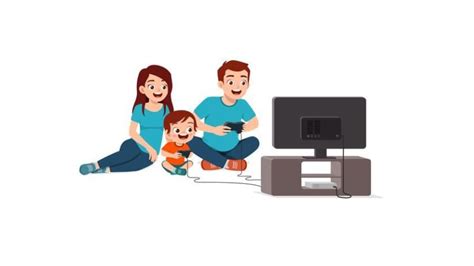
How to set practical, healthy screen time limits for kids’ gaming?
Navigating the Digital Playground: Why Limits Matter
In today’s digitally saturated world, video games are an undeniable part of many children’s lives. While gaming offers numerous benefits, from problem-solving skills to social interaction, finding the sweet spot for screen time can be a significant challenge for parents. The goal isn’t to demonize gaming but to foster a balanced relationship with technology that supports a child’s overall well-being. This guide offers practical strategies to help parents set healthy, sustainable screen time limits for their kids’ gaming.

Understanding the Impact: More Than Just Time
Before diving into setting limits, it’s crucial to understand why they’re important. Excessive screen time can impact sleep, academic performance, physical activity, and even emotional regulation. Healthy limits help ensure children engage in diverse activities crucial for their development, including reading, outdoor play, face-to-face social interactions, and creative pursuits. It’s about quality of life, not just quantity of screen time.
Open Communication is Key
The most effective screen time limits are often those established collaboratively. Engage your children in a discussion about why limits are necessary. Explain the benefits of balance and listen to their perspectives on gaming. When children feel heard and part of the decision-making process, they are more likely to understand and adhere to the rules. This isn’t just about setting a timer; it’s about teaching digital literacy and self-regulation.

Practical Strategies for Setting Boundaries
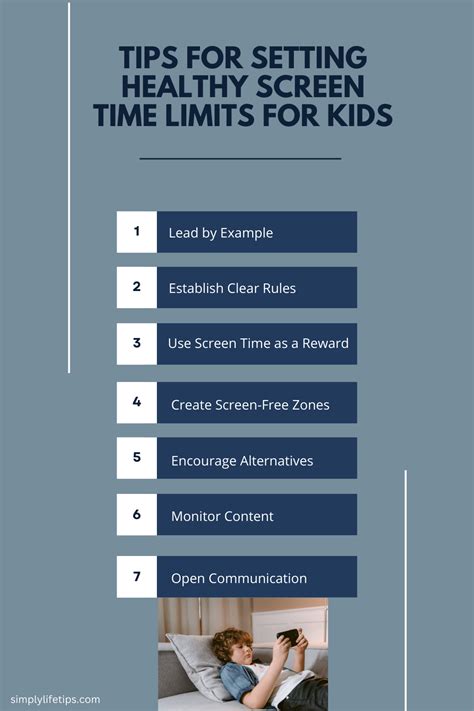
1. Establish Clear, Consistent Rules
Define specific rules for when, where, and how long gaming is allowed. For example: “No gaming before homework is done,” “Gaming is allowed for one hour after dinner,” or “No screens in bedrooms.” Write these rules down and display them prominently. Consistency is vital; children thrive on predictability.
2. Use Tools and Parental Controls
Many gaming consoles, platforms, and devices offer built-in parental controls that can help enforce time limits, restrict content, and manage purchases. Utilize these tools as a safety net, but don’t let them replace open communication and trust-building. They can be invaluable for helping children transition off games when time is up.
3. Promote a Balanced Lifestyle
Ensure gaming is just one component of your child’s day. Encourage and facilitate engagement in other activities: sports, music, art, reading, outdoor play, and family time. Create a schedule that naturally incorporates these diverse activities alongside screen time. The goal is to fill their day with enriching experiences so that gaming doesn’t become the sole focus.

4. Be Flexible and Review Regularly
Screen time needs evolve as children grow. What works for a 7-year-old might not be appropriate for a 13-year-old. Be prepared to review and adjust your limits as circumstances change – during holidays, for special events, or as your child demonstrates greater maturity and self-control. This teaches adaptability and helps children understand that rules aren’t arbitrary.
Leading by Example: Your Own Digital Habits
Children are keen observers. Your own relationship with screens significantly influences their behavior. Model healthy screen habits by putting away your phone during family meals, engaging in offline hobbies, and taking regular digital breaks. Discuss your own strategies for managing screen time, demonstrating that it’s a lifelong skill for everyone.
Setting practical, healthy screen time limits for kids’ gaming is an ongoing journey that requires patience, communication, and consistency. By implementing clear rules, utilizing available tools, promoting a balanced lifestyle, and leading by example, parents can guide their children toward a healthy and responsible relationship with technology, ensuring that gaming remains a fun and enriching activity rather than a source of conflict or concern.