How to set practical gaming screen time limits for kids effectively?

Navigating the Digital Playground: Why Limits Matter
In today’s digitally saturated world, video games are an integral part of many children’s lives. While gaming can offer benefits like problem-solving skills, social interaction, and stress relief, unchecked screen time can lead to a host of issues, from disrupted sleep and academic struggles to reduced physical activity and strained family relationships. Setting practical and effective gaming screen time limits isn’t about deprivation; it’s about fostering healthy digital habits and ensuring a balanced childhood.
Start with Open Communication and Collaboration
The most effective screen time limits are often those that kids have some ownership over. Instead of imposing rules, initiate an open conversation with your child. Discuss why limits are important – explain the benefits of other activities and the potential downsides of excessive gaming. Ask for their input and try to reach a mutually agreeable plan. This approach builds trust and increases the likelihood of compliance.

Practical Strategies for Setting Boundaries
1. Establish Clear, Consistent Rules
Define specific limits: how many hours per day or week, and during what times. Be clear about when gaming is allowed (e.g., after homework, before dinner). It can be helpful to write these rules down and post them where everyone can see them, perhaps even as a “family tech agreement.”
2. Use Tools and Timers
Many gaming consoles, devices, and internet routers offer parental control features that allow you to set time limits automatically. Alternatively, a simple kitchen timer or a visual timer app can be effective. When the timer goes off, gaming stops – no arguments. This external tool can help remove you from being the “bad cop.”

3. Link Screen Time to Responsibilities
Consider making gaming a privilege earned after responsibilities are met, such as homework completion, chores, or outdoor play. This reinforces the idea that gaming is one of many activities and that balance is key.
4. Designate “No-Screen” Times and Zones
Implement rules like “no screens at the dinner table,” “no screens in bedrooms,” or “no gaming an hour before bedtime.” These boundaries promote family time, better sleep hygiene, and encourage interaction in other areas of the house.
Consistency and Follow-Through Are Key
Once limits are set, consistency is paramount. Children thrive on predictability, and they will test boundaries. Stick to the agreed-upon rules, even when faced with protests or meltdowns. Explain the consequences of not adhering to the limits beforehand, and follow through calmly if they occur. This teaches self-regulation and respect for rules.

Focus on Quality Over Quantity
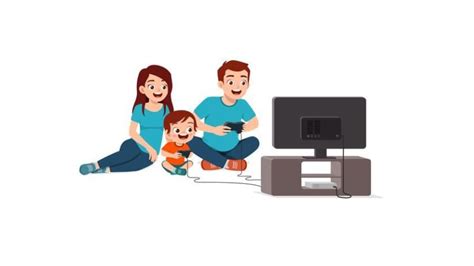
It’s not just about how much time kids spend gaming, but also what they are playing and how. Encourage games that are age-appropriate, educational, or promote creativity and critical thinking. Consider co-playing with your child; it provides an opportunity for bonding, understanding their interests, and subtly guiding their choices.
Lead by Example and Be Flexible
Children learn by observing. Model healthy screen habits yourself. Put your phone down during family time, engage in other hobbies, and ensure you’re not constantly glued to a screen. Remember that screen time limits aren’t set in stone. As children grow and their needs change, be prepared to revisit and adjust the rules. A periodic family meeting to discuss what’s working and what isn’t can be very beneficial.

Dealing with Pushback and Encouraging Alternatives
Expect some resistance, especially initially. Validate your child’s feelings (“I know it’s hard to stop playing when you’re having fun”) but stand firm on the limits. Offer appealing alternatives: suggest a bike ride, a board game, reading, or a creative project. Having a list of “screen-free” activities readily available can help ease transitions and redirect their energy.

Conclusion
Setting practical gaming screen time limits effectively is an ongoing process that requires patience, consistency, and a willingness to adapt. By fostering open communication, establishing clear boundaries, and encouraging a rich variety of activities, parents can help their children develop a healthy, balanced relationship with technology, ensuring that gaming remains a source of enjoyment without overshadowing other vital aspects of childhood development.