How to set healthy screen time limits for kids’ gaming?

In today’s digital age, video games are an undeniable part of many children’s lives. While gaming offers numerous benefits, from cognitive skill development to social interaction, excessive screen time can pose challenges. Establishing healthy screen time limits for kids’ gaming is crucial for their overall well-being, striking a balance between enjoyment and responsibility.
Why Healthy Screen Time Limits Matter
Unrestricted gaming can impact various aspects of a child’s development. Physically, it can lead to sedentary lifestyles, poor posture, and eye strain. Mentally, excessive screen time has been linked to issues like sleep disturbances, anxiety, and difficulty concentrating. Academically, it can interfere with homework, reading, and other educational activities. By setting clear boundaries, parents can help children develop self-regulation, encourage diverse interests, and ensure they engage in a range of healthy activities.

Practical Strategies for Setting Limits
Open Communication and Collaboration
Involve your children in the discussion about screen time. Explain why limits are important in a way they can understand, focusing on their health and overall happiness. Collaborate with them to set reasonable rules, allowing them some input can increase their buy-in and adherence to the limits. Make it a family agreement rather than a parental decree.
Create a Family Media Plan
Develop a written family media plan that outlines specific screen time rules. This plan should cover:
- Specific Time Slots: Designate particular times for gaming (e.g., after homework, before dinner).
- Daily/Weekly Duration: Set a clear maximum amount of time per day or week (e.g., 1-2 hours on weekdays, more on weekends).
- No-Tech Zones: Establish areas like bedrooms or dining tables as screen-free zones.
- No-Tech Times: Implement rules such as no gaming an hour before bedtime to improve sleep quality.

Utilize Technology and Parental Controls
Many gaming consoles, devices, and operating systems offer built-in parental control features. These tools can help you:
- Set time limits directly on the device.
- Block access to certain games or content.
- Monitor gaming activity.
- Schedule downtime.
Additionally, there are third-party apps designed to manage screen time across multiple devices, providing a comprehensive solution.
Encourage a Balanced Lifestyle
Screen time should be just one component of a child’s day. Actively promote and provide opportunities for other activities:
- Outdoor Play: Encourage sports, bike riding, or simply playing in the park.
- Creative Hobbies: Introduce art, music, building, or crafts.
- Reading: Foster a love for books and quiet reading time.
- Family Time: Plan board games, family outings, or conversations that don’t involve screens.

Implementing and Enforcing the Rules
Be Consistent and Firm
Consistency is paramount. Once rules are set, stick to them. If you allow exceptions too often, children will learn that the limits are not absolute, making enforcement more challenging. All caregivers should be on the same page regarding the rules.
Natural Consequences and Rewards
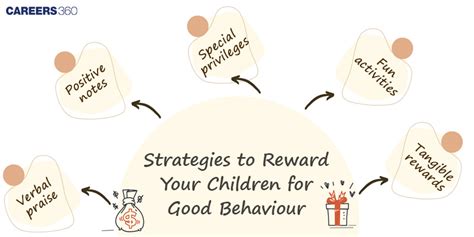
Clearly define the consequences for breaking the rules and the rewards for adhering to them. Consequences should be fair and directly related to the transgression (e.g., losing gaming privileges for a day). Positive reinforcement, such as extra screen time for completing chores or meeting academic goals, can also be highly effective.
Lead by Example
Children are keen observers. Model healthy screen habits yourself. Put away your phone during family meals, engage in non-digital hobbies, and demonstrate that life beyond screens is enjoyable and fulfilling. Your actions speak louder than words.
Review and Adapt as They Grow
As children mature, their needs and interests change. What works for a 7-year-old may not be suitable for a 14-year-old. Periodically review your family media plan and adjust limits and rules as necessary, always involving your child in the discussion. This teaches them adaptability and ongoing self-management.

Conclusion
Setting healthy screen time limits for kids’ gaming is an ongoing process that requires patience, consistency, and open communication. By implementing these strategies, parents can guide their children towards a balanced and fulfilling lifestyle that embraces the benefits of technology while safeguarding their well-being. The ultimate goal is to foster responsible digital citizens who understand the value of moderation and appreciate a diverse range of activities.