How to set healthy gaming screen time limits without battles?

Navigating the Digital Playground: Setting Limits Peacefully
The allure of video games is powerful, offering immersive worlds, social connections, and endless entertainment. For parents, however, managing gaming screen time often feels like an uphill battle, fraught with arguments, power struggles, and frustrated sighs. The good news? It doesn’t have to be. By shifting from an authoritarian approach to one rooted in collaboration, understanding, and clear communication, you can set healthy limits that stick, without the constant conflict.

Why Traditional Approaches Often Fail
Simply imposing strict rules without explanation or involving your child can backfire. Kids often perceive these limits as arbitrary punishments, leading to resentment, secret gaming, and intensified resistance. The key to success lies in empowering them to understand the ‘why’ behind the rules and giving them a voice in the process.
1. Involve Them in the Conversation from the Start
Don’t just announce new rules; discuss them. Sit down with your child when emotions aren’t running high and talk about screen time. Ask them how much time they think is fair, what games they enjoy, and why they want to play. Listen actively to their perspectives and concerns. This collaborative approach makes them feel valued and more likely to adhere to agreed-upon limits.
2. Establish a Family Media Plan Together
A family media plan isn’t just about gaming; it encompasses all screen use. Work together to create a written agreement that outlines:
- Time Limits: How much gaming time is allowed on weekdays and weekends? Be specific (e.g., “30 minutes after homework on weekdays, 2 hours on weekends”).
- Content Rules: What types of games are appropriate?
- Tech-Free Zones/Times: Where and when are screens not allowed (e.g., dinner table, bedrooms after bedtime)?
- Consequences & Rewards: What happens when rules are broken? What positive reinforcement exists for following them?
Make it visible – stick it on the fridge!

3. Focus on the ‘Why’: Health and Balance
Help your child understand why these limits are important. Explain the impact of excessive screen time on sleep, school performance, physical activity, and social interactions. Frame it not as taking something away, but as making space for other fulfilling activities like sports, reading, creative play, or family time. “We need to make sure you get enough sleep for school” is more effective than “No more gaming because I said so.”
4. Offer Engaging Alternatives
Kids often turn to screens out of boredom or habit. Proactively suggest and provide appealing alternatives. Plan family outings, encourage hobbies, sign them up for sports, or simply have a selection of books and art supplies readily available. The goal is to fill the void left by reduced screen time with equally or more engaging real-world activities.

5. Be Consistent and Follow Through with Empathy
Consistency is paramount. If you’ve agreed on limits, stick to them. This builds trust and teaches your child that rules are non-negotiable but fair. When enforcing limits, do so with empathy. Acknowledge their frustration (“I know it’s hard to stop when you’re in the middle of a game”) while still holding the line. Use timers to provide a visual cue for when playtime is ending, giving them time to save their progress or finish a round.
6. Model Healthy Screen Habits Yourself
Children are master imitators. If you’re constantly glued to your phone or tablet, your efforts to limit their screen time will feel hypocritical. Show them what balanced screen use looks like. Put away your devices during family meals, dedicate tech-free hours, and engage in non-screen activities alongside them.
7. Utilize Technology (Wisely)
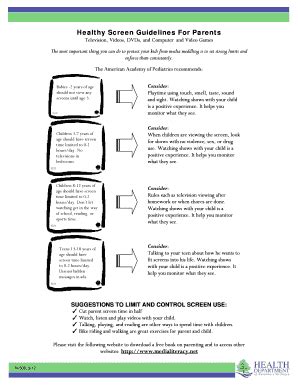
Parental control apps and console settings can be valuable tools to enforce agreed-upon limits, but they should be used in conjunction with, not as a replacement for, open communication. Explain to your child that these tools are there to help them stick to the family plan, not to spy on them.
The Benefits of a Peaceful Approach
When you navigate screen time limits with collaboration and understanding, you not only reduce household friction but also teach your children vital life skills: self-regulation, time management, negotiation, and the importance of a balanced lifestyle. It fosters a stronger parent-child relationship built on mutual respect, rather than constant contention.

Conclusion: Patience and Persistence Pay Off
Setting healthy gaming screen time limits without battles is an ongoing process that requires patience, flexibility, and persistence. There will be good days and challenging days. By approaching it as a team, focusing on open dialogue, and emphasizing balance and well-being, you can guide your children towards a healthier relationship with technology, preparing them for a digital future where they can make wise choices independently.