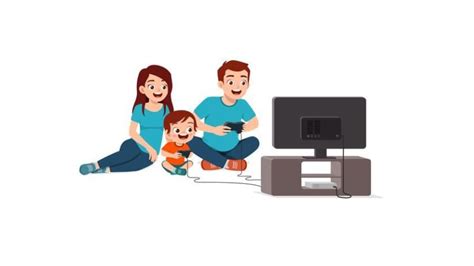
How to set healthy gaming screen time limits for kids?
Navigating the Digital Playground: Setting Healthy Gaming Limits
In today’s digitally saturated world, video games are an undeniable part of many children’s lives. While gaming can offer entertainment, social connection, and even cognitive benefits, managing screen time effectively is a common challenge for parents. Striking the right balance is essential for ensuring children’s physical health, mental well-being, and academic success. This guide will provide practical strategies for setting and enforcing healthy gaming screen time limits for your kids.
Understanding the Importance of Limits
Unrestricted gaming can lead to various issues, including sleep disturbances, eye strain, reduced physical activity, and potential impacts on academic performance and social development. Setting clear limits helps children develop self-regulation skills, encourages participation in diverse activities, and protects them from potential negative consequences associated with excessive screen exposure.
By establishing boundaries, parents can foster a healthier relationship with technology, promoting a well-rounded lifestyle that includes ample time for schoolwork, outdoor play, family interactions, and creative pursuits. It’s about teaching children that gaming is one of many enriching activities, not the sole focus of their free time.

Practical Steps to Set Limits
1. Communicate and Collaborate
The first step is to talk to your children. Explain why limits are necessary in an age-appropriate way, focusing on health, balance, and well-being rather than punishment. Involve them in the discussion about what fair limits look like. When children feel heard and part of the decision-making process, they are more likely to understand and adhere to the rules.
2. Create a Family Media Plan
Work together to draft a clear, written plan. Define specific gaming times (e.g., 30 minutes on weekdays, 1 hour on weekends), outlining when gaming is allowed and when it’s not (e.g., after homework, before bed). Consider your child’s age, maturity level, and individual needs when determining appropriate durations. Some families find success with a token system, where kids earn gaming time through chores or good behavior.

3. Utilize Technology and Tools
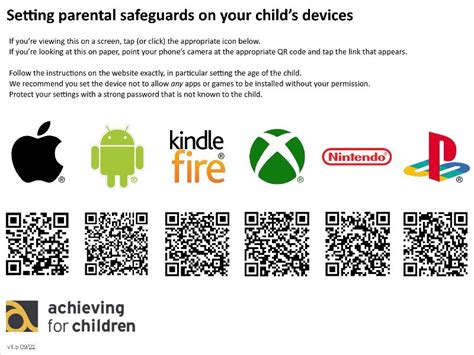
Many devices, consoles, and platforms offer built-in parental controls that allow you to set time limits, block certain content, and track usage. Explore these features on your child’s gaming console, tablet, smartphone, and even your home Wi-Fi router. These tools can help enforce limits automatically, reducing the need for constant supervision and reminders.
4. Establish “Screen-Free” Zones and Times
Designate specific periods or areas as screen-free. Common examples include during meals, an hour before bedtime, or in bedrooms. Encourage children to engage in alternative activities during these times, such as reading, drawing, playing board games, or spending time outdoors. This helps break the habit of constant digital engagement and promotes other forms of recreation.

Tips for Successful Implementation
Be Consistent and Firm
Consistency is key. Once limits are set, stick to them. While occasional flexibility might be necessary for special occasions, regular exceptions can undermine the rules and make them harder to enforce. Be prepared for pushback initially, but stand firm. Children thrive on clear boundaries.
Model Good Behavior
Children learn by watching their parents. Be mindful of your own screen habits. If you’re constantly on your phone or playing games, it sends a mixed message. Demonstrate a balanced approach to technology use, showing that there’s a time and place for screens, but also for other activities.
Offer Alternatives
Don’t just take away gaming; provide engaging alternatives. Plan family outings, suggest creative projects, encourage sports, or introduce them to new hobbies. Having appealing non-screen activities readily available makes it easier for kids to transition away from gaming.
When to Seek Help
If your child exhibits extreme reactions to limits, shows signs of addiction (e.g., withdrawal symptoms, neglect of other activities, academic decline), or if you feel overwhelmed, don’t hesitate to seek professional guidance. Pediatricians, school counselors, or child psychologists can offer support and strategies for managing challenging behaviors related to gaming.

Conclusion
Setting healthy gaming screen time limits is an ongoing process that requires patience, clear communication, and consistency. By implementing a thoughtful family media plan and actively engaging in your child’s digital life, you can help them develop a balanced relationship with technology, ensuring they enjoy the benefits of gaming without sacrificing their overall well-being and growth.