How to set healthy gaming limits for kids without battles?

Navigating the Digital Playground: Setting Gaming Boundaries Peacefully
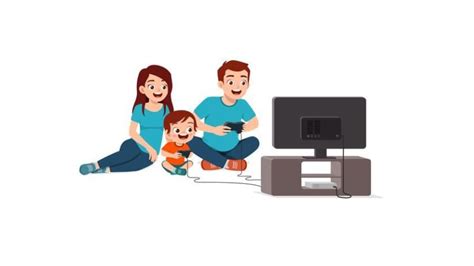
In an age where screens are ubiquitous, striking the right balance between allowing children to enjoy digital entertainment and ensuring their overall well-being is a significant challenge for modern parents. Gaming, in particular, can be a source of both immense fun and intense family conflict when limits aren’t clearly defined or consistently enforced. The good news? You can set healthy gaming limits for your kids without descending into daily battles. It requires a thoughtful approach, open communication, and a touch of creativity.
Understanding the Pull: Why Kids Love Gaming
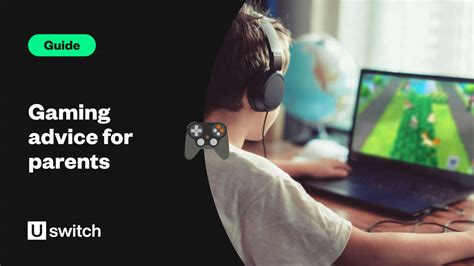
To effectively manage gaming, it helps to understand its appeal. Video games offer engagement, challenge, social connection (especially with multiplayer games), and a sense of achievement. For many kids, it’s not just a pastime; it’s a vital part of their social lives and identity. Acknowledging this can shift your perspective from simply restricting to guiding.
The Downside of Unchecked Gaming
Without boundaries, gaming can lead to disrupted sleep, neglected homework, reduced physical activity, social isolation, and even behavioral issues. It’s not about demonizing games, but about ensuring they don’t overshadow other crucial aspects of a child’s development.
Why Healthy Limits Are Non-Negotiable
Setting limits isn’t about being punitive; it’s about fostering responsibility and ensuring a balanced life. Healthy boundaries promote:
- Better Sleep: Less screen time before bed leads to improved sleep quality.
- Academic Performance: Time for homework and studying isn’t compromised.
- Physical Health: More time for outdoor play and physical activity.
- Social Development: Encourages face-to-face interaction and other hobbies.
- Emotional Regulation: Reduces potential for frustration or addiction-like behaviors.

Strategies for Setting Limits Without the Battle
1. Involve Your Kids in the Conversation
Kids are more likely to adhere to rules they’ve helped create. Sit down with them when everyone is calm and discuss gaming time. Ask them what they think are fair limits. Listen to their perspectives and explain your concerns clearly and calmly.
2. Establish Clear, Consistent Rules
Once limits are agreed upon, write them down. Display them prominently. Rules should cover:
- Total daily or weekly gaming time.
- Specific times gaming is allowed (e.g., after homework, before dinner).
- Designated “no-gaming” zones or times (e.g., during meals, an hour before bed).
- Consequences for not following rules (e.g., reduced gaming time the next day).
Consistency is key. If you waver, children learn that rules are negotiable.

3. Provide Engaging Alternatives
It’s easier for kids to reduce gaming if they have other exciting activities to fill the void. Encourage hobbies like sports, reading, art, music, or outdoor adventures. Plan family activities that don’t involve screens.
4. Utilize Technology to Your Advantage
Parental control features on gaming consoles, computers, and routers can automatically enforce time limits. Timers can also be a visual cue for kids to know when their session is ending, reducing sudden cut-offs that often lead to meltdowns.

5. Lead by Example
Children learn by observing. If you’re constantly glued to your phone or TV, your gaming limits might seem hypocritical. Model healthy screen habits yourself. Designate “screen-free” family time.
6. Focus on Quality Over Quantity
Discuss the types of games your children play. Are they educational? Creative? Social? Some games might offer more developmental benefits than others. This isn’t about replacing time limits, but adding another layer to the conversation about responsible gaming.
Making it Stick and Adapting as They Grow
Regularly review your family’s gaming rules. What worked for a 7-year-old might need adjustment for a 12-year-old. Be flexible, but firm on the principles. Celebrate when rules are followed, and calmly reiterate consequences when they’re not. Remember, the goal is not to eliminate gaming, but to integrate it into a balanced and healthy lifestyle.

Setting healthy gaming limits is an ongoing process, not a one-time event. By approaching it with empathy, clear communication, and consistent boundaries, you can guide your children towards a healthier relationship with technology, fostering well-rounded development without the constant conflict.