How to set healthy game screen time limits for young players?
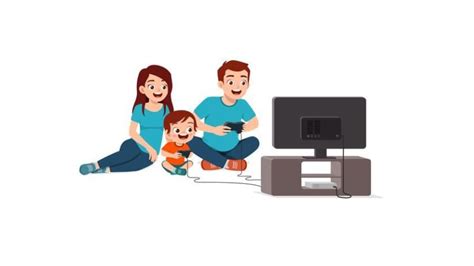
In today’s digital age, video games are an undeniable part of many children’s lives, offering entertainment, social interaction, and even educational benefits. However, managing game screen time can be a significant challenge for parents. Striking the right balance is crucial for a child’s development, academic performance, and overall well-being. This guide offers practical strategies for setting healthy and effective game screen time limits for young players.

Why Healthy Screen Time Limits Matter
Excessive screen time, particularly with gaming, has been linked to several potential issues in children, including sleep disturbances, decreased physical activity, academic struggles, and even behavioral problems. Conversely, moderate and well-managed screen time can be beneficial. The goal isn’t to demonize gaming but to integrate it healthily into a child’s daily routine, ensuring it doesn’t displace essential activities like homework, physical play, family time, and sleep.
Strategies for Setting Effective Limits
1. Open Communication and Collaboration
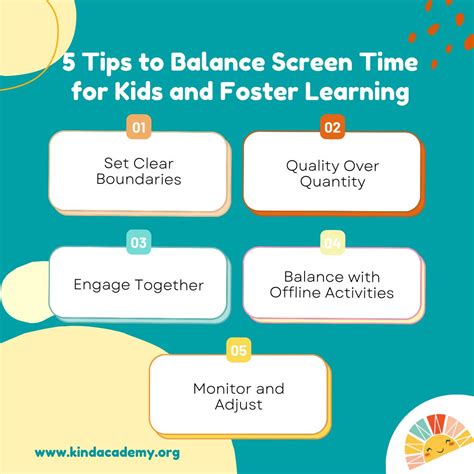
Involve your child in the discussion about screen time. Explain the “why” behind the limits – focusing on health, balance, and other important activities, rather than just dictating rules. When children understand the reasons, they are more likely to cooperate. Work together to create a family media plan that everyone agrees upon.

2. Establish Clear and Consistent Rules
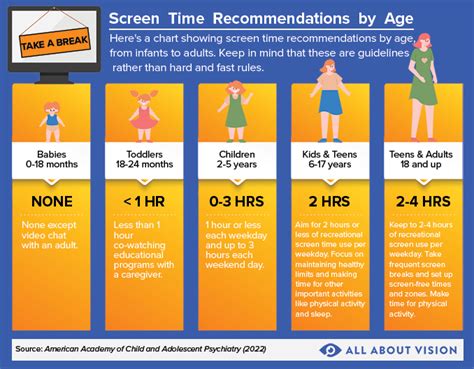
Define specific limits, such as “30 minutes on weekdays” or “1 hour on weekends.” Be clear about when gaming is allowed (e.g., after homework, before dinner) and what counts as screen time. Consistency is key; stick to the rules you set to avoid confusion and power struggles. Consider using a timer to help children visualize their remaining time.
3. Utilize Parental Control Tools
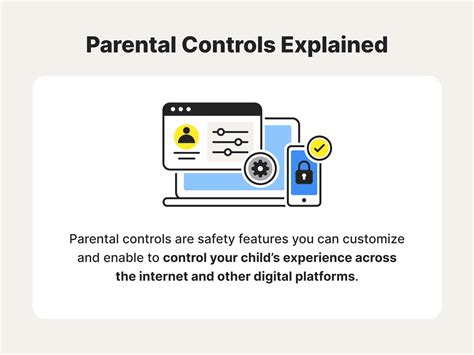
Many gaming consoles, computers, and mobile devices offer built-in parental controls that allow you to set time limits, block inappropriate content, and monitor usage. Third-party apps can also provide more robust features. These tools can be incredibly helpful in enforcing boundaries automatically, reducing the need for constant supervision and potential conflicts.
4. Offer Engaging Alternatives
Help your child discover and engage in non-screen activities. Encourage outdoor play, reading, creative arts, board games, sports, and social interactions with friends and family. A rich environment with diverse interests makes it easier for children to step away from screens without feeling deprived. Make these alternatives appealing and accessible.

5. Lead by Example
Children are keen observers. Your own screen habits significantly influence theirs. Demonstrate healthy screen use by putting away your phone during family meals, engaging in non-screen hobbies, and taking breaks from your devices. Show them that there’s a world beyond screens and that real-life interactions are valuable.
Monitor, Review, and Adjust
Screen time limits aren’t static. As your child grows and their needs change, it’s important to periodically review and adjust your family’s media plan. Pay attention to how the limits are affecting your child’s mood, sleep, and academic performance. Be flexible when necessary, but always prioritize their overall well-being. What works for one child may not work for another, and what works today might need tweaking tomorrow.
Conclusion
Setting healthy game screen time limits is an ongoing process that requires patience, communication, and adaptability. By implementing clear boundaries, offering appealing alternatives, utilizing available tools, and modeling responsible screen behavior, parents can guide their young players towards a balanced and enriching digital experience, fostering both their love for games and their overall health and happiness.