How to set healthy game screen time limits for kids?
In an increasingly digital world, managing children’s screen time has become one of the most significant challenges for parents. While digital devices offer educational and entertainment benefits, excessive screen time can negatively impact physical health, mental well-being, and social development. Setting healthy game screen time limits is not about deprivation but about fostering a balanced lifestyle. This guide will walk you through practical strategies to establish and maintain sensible digital boundaries for your kids.
Why Healthy Screen Time Limits Are Essential
Understanding the rationale behind limiting screen time can strengthen your resolve and help you explain the rules to your children. Healthy boundaries are crucial for several reasons:
- Physical Health: Prolonged sitting can lead to a sedentary lifestyle, contributing to obesity, poor posture, and eye strain.
- Mental Well-being: Excessive screen use has been linked to sleep disturbances, anxiety, depression, and attention problems.
- Cognitive Development: While some apps are educational, over-reliance on screens can hinder the development of critical thinking, problem-solving, and creativity, which often thrive through imaginative play and real-world interactions.
- Social Skills: Face-to-face interactions are vital for developing empathy, communication skills, and understanding social cues. Too much screen time can detract from these essential opportunities.

Assessing Your Child’s Individual Needs
There’s no one-size-fits-all approach to screen time. What works for one child might not work for another. Consider the following factors when determining appropriate limits:
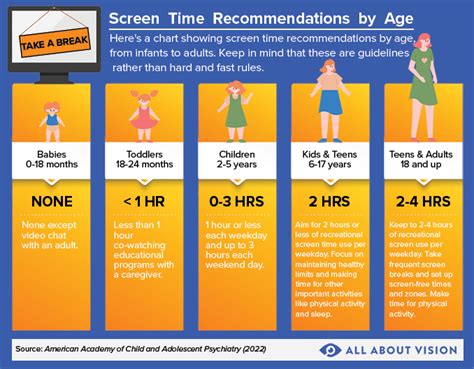
- Age: Younger children typically require less screen time than older children or teenagers. Official guidelines, such as those from the American Academy of Pediatrics (AAP), recommend no screen time for children under 18 months (except video chatting), and very limited, high-quality programming for 18-24 months. For ages 2-5, one hour per day is often suggested.
- Developmental Stage: Some children are naturally more drawn to screens, while others prefer active play. Tailor limits to your child’s temperament and interests.
- Content Quality: Not all screen time is equal. Educational, interactive content is often more beneficial than passive consumption of entertainment.
- Academic and Social Performance: If screen time is negatively impacting school work, sleep, or friendships, it’s a clear sign that adjustments are needed.
Strategies for Setting Effective Limits
1. Communicate and Collaborate
Involve your children in the discussion. Explain why limits are necessary in an age-appropriate way. When children feel heard and understand the ‘why,’ they are more likely to comply. Discuss what types of games are allowed, for how long, and when.
2. Establish Clear and Consistent Rules
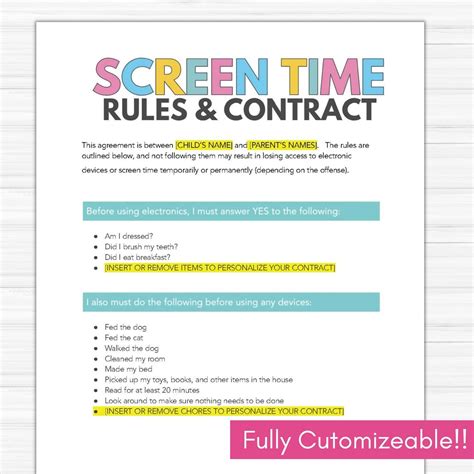
Define specific times and durations. For example, “You can play games for 30 minutes after homework is done, and before dinner.” or “No screens during meals or an hour before bedtime.” Write these rules down and display them prominently, perhaps on a family screen time contract.
- Daily vs. Weekly Allotments: Some families prefer a daily limit, while others find a weekly allowance more flexible, allowing children to manage their time.
- Screen-Free Zones and Times: Designate areas (e.g., dining room, bedrooms overnight) and times (e.g., family meals, homework time) as completely screen-free.

3. Utilize Parental Control Tools
Many devices and platforms offer built-in parental controls that can help enforce time limits, restrict content, and monitor usage. Consider using these tools, but remember they are a supplement to, not a replacement for, open communication and active parenting.
- Device Settings: Most smartphones, tablets, and gaming consoles have settings to manage screen time.
- Third-Party Apps: Various apps offer advanced features for managing multiple devices and customizing limits.
4. Offer Engaging Alternatives
Children are less likely to resist screen time limits if they have appealing alternatives. Encourage hobbies, outdoor play, reading, creative arts, and family activities. Create a “boredom busting” jar filled with ideas for screen-free activities.

Making Limits Work: Consistency and Flexibility
Be Consistent
Consistency is paramount. If rules are enforced sporadically, children will quickly learn to test boundaries. Stick to the agreed-upon limits, even when it’s challenging.
Be Flexible When Appropriate
Life happens, and there might be special occasions (e.g., a long car trip, a sick day, a family movie night) where limits can be temporarily relaxed. Discuss these exceptions with your children beforehand so they understand they are not permanent changes to the rules.

Lead by Example
Children are keen observers. If parents are constantly glued to their phones or tablets, children will naturally mimic that behavior. Model healthy screen habits by putting your devices away during family time, meals, and before bedtime. Demonstrate that there’s a rich and fulfilling life beyond screens.
Setting healthy game screen time limits for kids is an ongoing process that requires patience, consistency, and a willingness to adapt. By taking a thoughtful approach, combining clear rules with open communication, and offering engaging alternatives, you can help your children develop a balanced relationship with technology, promoting their overall well-being and growth.