How to set effective screen time limits for kids’ gaming?
Navigating the Digital Playground: Why Limits Are Essential
In today’s digitally saturated world, video games offer engaging entertainment and social interaction for children. However, without proper boundaries, excessive gaming can impact academic performance, physical health, sleep patterns, and real-world social development. Establishing effective screen time limits isn’t about deprivation; it’s about fostering a balanced lifestyle where digital play complements, rather than dominates, a child’s growth.

Involving Your Child in the Conversation
The most successful screen time limits are often those established collaboratively. Instead of dictating rules, engage your child in an open and honest discussion about screen time. Explain the ‘why’ behind the limits – how too much gaming can affect their energy, schoolwork, and playtime with friends. Ask for their input on what feels fair and manageable. When children feel heard and part of the decision-making process, they are more likely to adhere to the agreed-upon rules.

Practical Strategies for Setting Boundaries
Once you have a general agreement, it’s time to implement practical strategies:
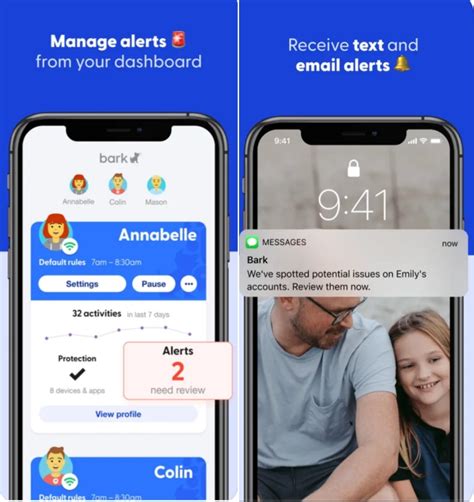
- Use Parental Control Tools: Most gaming consoles, PCs, and mobile devices offer built-in parental control features that allow you to set time limits, schedules, and content restrictions. Familiarize yourself with these tools and utilize them consistently.
- Establish Clear Schedules: Designate specific times for gaming, such as after homework is done or during a weekend slot. Visual schedules can be helpful for younger children.
- Balance with Other Activities: Ensure gaming time is balanced with outdoor play, reading, creative pursuits, family time, and schoolwork. Consider a “first-then” approach (e.g., “First, finish your homework, then you can play for 30 minutes”).
- Create “Tech-Free” Zones & Times: Implement rules like no screens at the dinner table, in bedrooms after a certain hour, or during family outings. This encourages presence and interaction.
Consistency and Consequences: Making Rules Stick
Consistency is paramount. Once limits are set, stick to them. Children thrive on predictability. If rules are inconsistently enforced, they will quickly learn to push boundaries. Clearly define the consequences for exceeding limits – whether it’s losing gaming privileges for a day, extra chores, or an earlier bedtime. Ensure consequences are proportionate and communicated in advance, not delivered in anger.

Leading by Example
Remember, children often mimic what they see. Examine your own screen habits. Are you constantly checking your phone? Do you spend excessive time on your devices? Modeling healthy tech use – putting away your phone during meals, engaging in offline hobbies, and prioritizing real-world interactions – sends a powerful message to your children about the importance of balance. Your actions speak louder than any lecture.

Conclusion
Setting effective screen time limits for kids’ gaming is an ongoing process that requires patience, communication, and adaptability. By involving your children, utilizing practical tools, enforcing limits consistently, and modeling responsible tech use, you can help them develop healthy digital habits that will serve them well throughout their lives, ensuring gaming remains a fun and positive part of their development.