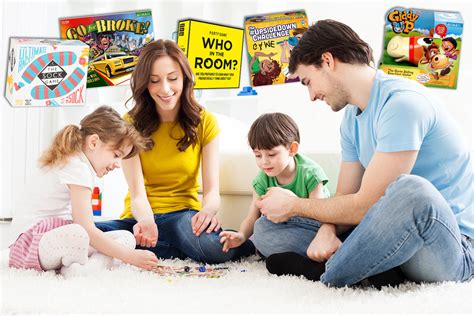
How to pick engaging family games that avoid screen time boredom?

In an increasingly digital world, finding ways to genuinely connect and engage as a family can feel like a quest. Screen time, while convenient, often leads to passive consumption and a sense of detachment. The good news? The world of family games offers a vibrant alternative, promising laughter, critical thinking, and unforgettable shared experiences. But with countless options available, how do you choose games that truly captivate and avoid the dreaded “boredom” sigh?
Why Ditch the Screen? The Benefits of Analog Play
Moving away from screens isn’t just about limiting exposure; it’s about opening doors to richer interactions. Analog games inherently foster communication, problem-solving, and emotional regulation. They teach turn-taking, strategy, and how to win or lose gracefully. Most importantly, they create a shared narrative—moments you’ll recount and cherish for years to come, strengthening family bonds in a way digital entertainment rarely can.

Know Your Family: Understanding Interests and Ages
The first step to picking the perfect game is understanding your audience. Consider the age range of your family members. A game thrilling for a teenager might bore a six-year-old, and vice versa. Look for games that offer different levels of engagement or have rules adaptable for younger players. Beyond age, think about individual interests. Does your family love fantasy, strategy, puzzles, or creative storytelling? Matching games to existing passions dramatically increases their appeal.
Beyond the Box: Exploring Game Categories
The landscape of family games is vast and exciting, far beyond classic board games. Diversifying your game library can keep things fresh and engaging for everyone.
- Cooperative Games: These games pit players against the game itself, encouraging teamwork and shared success (e.g., Pandemic, Forbidden Island, Hanabi). They’re excellent for fostering collaboration and reducing competitive friction.
- Strategy Games: From light strategy (e.g., Ticket to Ride, Carcassonne) to more complex options (e.g., Catan), these games challenge players to think ahead and plan their moves.
- Dexterity Games: Fun, tactile games that involve physical skill (e.g., Jenga, Rhino Hero, Tumblin’ Monkeys). They often lead to hilarious moments and are great for quick, energetic play.
- Creative & Storytelling Games: Games like Dixit, Codenames, or Rory’s Story Cubes spark imagination and encourage unique forms of expression.
- Party Games & Quick Play: Perfect for larger groups or when you need something fast and fun (e.g., Sushi Go!, Uno, Exploding Kittens).

Key Factors in Choosing the Right Game
Once you have an idea of categories, narrow down your choices by considering these practical aspects:
- Player Count & Game Length: How many people usually play? Do you have an hour or just 20 minutes? Look for games that fit your typical gathering size and time constraints.
- Complexity & Learning Curve: Some games are easy to learn in minutes, while others require a dedicated rules explanation. Start simple if you’re new to gaming, and gradually introduce more complex titles.
- Replayability: Does the game offer enough variety in gameplay or strategy to keep you coming back for more, or will it feel stale after a few plays?
- Theme & Mechanics: A compelling theme can draw players in, but solid mechanics (how the game works) are what keep them engaged. Research reviews to ensure both are strong.

Tips for a Successful Game Night
Picking the game is half the battle; creating the right atmosphere is the other. Designate a regular “game night” to build anticipation. Clear distractions, put away phones, and perhaps have some snacks ready. When introducing a new game, explain the rules clearly and patiently. Focus on fun and connection over fierce competition, especially with younger players. Remember, the goal is to enjoy time together, not just to win.
Embracing the Journey: Trial, Error, and New Discoveries
Not every game will be a runaway hit, and that’s perfectly fine. The journey of discovering new games is part of the fun. Don’t be afraid to try different genres, borrow from friends, or visit a local game store for recommendations. Many stores even have “game libraries” where you can try before you buy. The most engaging family games are the ones that resonate with your unique family dynamics, spark joy, and consistently draw everyone to the table, away from the glow of screens.