How to manage kid’s screen time without constant arguments about games?

Navigating the Digital Playground: From Conflict to Collaboration
The digital age has brought unprecedented challenges to parenting, and perhaps none more common than managing children’s screen time, especially when it comes to video games. For many families, what begins as innocent entertainment often spirals into daily battles, negotiations, and power struggles. The good news? It doesn’t have to be a constant source of friction. By shifting our approach from strictly policing limits to fostering a collaborative understanding, parents can reclaim peace and empower their children to develop healthy digital habits.
Shifting from Control to Connection
The first step in reducing arguments is to understand the ‘why’ behind your child’s fascination with games. Often, it’s not just about the game itself, but about connection, challenge, accomplishment, and relaxation. Instead of instantly imposing bans or strict limits, try to engage with their world. Ask them what they enjoy about the game, what skills they’re learning, or who they play with. This open dialogue validates their experience and opens the door for a more productive conversation.
Establishing Clear, Collaborative Boundaries
The most effective screen time plans are those that children feel a part of creating. Instead of dictating rules, involve them in setting boundaries. Sit down as a family and discuss screen time expectations, including when, where, and for how long screens can be used. Consider these elements:
- Time Limits: Agree on daily or weekly allowances. Use timers or parental control apps to help enforce these without you having to be the ‘bad cop’.
- Content Guidelines: Discuss age-appropriate games and apps.
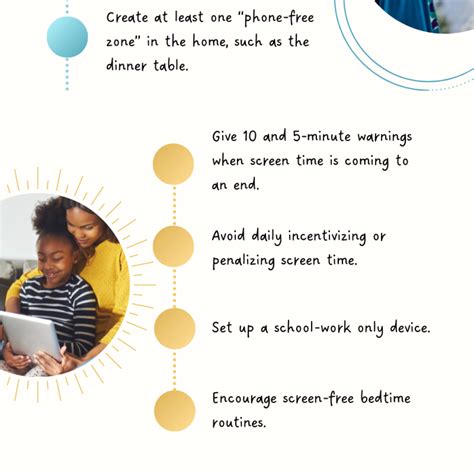
- Screen-Free Zones/Times: Designate certain areas (like bedrooms at night) or times (meal times) as screen-free.
- Earned Screen Time: Link screen time to responsibilities, such as homework completion, chores, or physical activity.
When children have a voice in creating the rules, they are far more likely to adhere to them. Write these agreements down and display them prominently as a family contract.

Focusing on Quality Over Quantity
Not all screen time is created equal. Encourage a balance between passive consumption and active engagement. Look for games and apps that promote problem-solving, creativity, learning, or physical activity (like fitness games). Discuss the content with your child: Is it educational? Is it collaborative? Does it spark their imagination? Shifting the conversation from ‘how long’ to ‘what for’ can lead to more enriching digital experiences.
Offering Engaging Alternatives
One of the biggest reasons kids cling to screens is often a lack of compelling alternatives. Proactively plan and offer engaging, screen-free activities. This could include:
- Outdoor play: Bikes, sports, playground visits, nature walks.
- Creative arts: Drawing, painting, crafting, music.
- Reading: Visiting the library, reading together.
- Board games and puzzles: Family game nights.
- Building activities: LEGOs, blocks, models.
By providing exciting alternatives, you make the transition away from screens smoother and more appealing. Make these activities a regular part of your family routine.

Leveraging Technology to Your Advantage
Parental control apps and device settings can be invaluable tools. Most operating systems and gaming consoles offer built-in features to set time limits, block inappropriate content, and monitor usage. Use these tools to help enforce the family’s agreed-upon rules consistently, removing you from the role of constant enforcer and allowing the technology to take some of the burden.

Leading by Example and Staying Consistent
Children are master imitators. Evaluate your own screen habits. Are you constantly glued to your phone? Do you interrupt family time for digital distractions? Modeling balanced screen usage is crucial. Show your children that there’s a vibrant life beyond screens, and that technology can be a tool for connection and learning, not just escape. Consistency is key; once rules are established, stick to them. While arguments may still arise occasionally, a clear, consistent framework reduces ambiguity and helps children internalize healthy boundaries over time.

Conclusion
Managing screen time and gaming doesn’t have to be a battleground. By fostering open communication, involving children in setting boundaries, prioritizing quality content, offering engaging alternatives, utilizing technology wisely, and leading by example, parents can transform conflict into collaboration. This approach not only reduces arguments but also equips children with the self-regulation skills they need to thrive in an increasingly digital world.