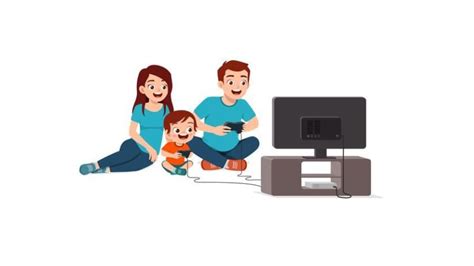
How to manage kids’ gaming screen time without constant arguments?

Navigating the Digital Playground: A Common Parental Challenge
For many parents, the phrase “screen time” can feel like a trigger for immediate conflict. In a world increasingly dominated by digital entertainment, particularly video games, finding a balance that keeps kids happy, engaged, and developing healthily without constant battles is a monumental task. The good news is, it doesn’t have to be a never-ending war. By shifting our approach from control to collaboration, parents can create a more harmonious environment for managing gaming screen time.
The key lies in understanding why children resist limits and finding proactive, rather than reactive, strategies. It’s about building a framework that teaches responsibility and self-regulation, rather than just imposing rules.

Understanding the ‘Why’ Behind the Resistance
Children often resist screen time limits because gaming offers them a sense of autonomy, achievement, and social connection. It’s a world where they can be powerful, solve problems, and interact with friends. When limits feel arbitrary or are enforced punitively, it can breed resentment and make them more determined to circumvent rules. Understanding their motivations can help parents frame discussions and set boundaries in a way that respects their child’s needs while still prioritizing well-being.
Collaborative Strategies for Harmonious Screen Time Management
1. Establish Clear, Consistent Boundaries Together
Involve your children in the process of setting screen time rules. When kids have a say, they are far more likely to buy into the rules and adhere to them. Discuss what constitutes a reasonable amount of time, when it’s appropriate to play, and what needs to be done before gaming (e.g., homework, chores). Write down these agreements and post them as a visual reminder. Consistency is paramount; stick to the rules you’ve all agreed upon.
2. Leverage Parental Control Tools Wisely
Many gaming consoles, devices, and internet routers offer robust parental control features. These tools can automatically enforce time limits, block inappropriate content, and monitor activity. Use them not as a disciplinary measure, but as an agreed-upon assistant to help everyone stick to the established plan. Explain to your child that these tools are there to help them manage their time effectively, not just to catch them out.

3. Prioritize Engagement Over Restriction
Instead of just taking away screen time, focus on providing compelling alternatives. Encourage participation in sports, hobbies, reading, outdoor play, or creative arts. Family game nights with board games or card games can also be a fantastic way to bond and provide stimulating fun away from screens. When children have other engaging activities to look forward to, the allure of gaming often naturally diminishes.

4. Be a Role Model for Balanced Tech Use
Children learn by observing. If you are constantly on your phone or glued to a screen, it sends a mixed message. Demonstrate healthy screen habits yourself. Designate screen-free times, such as during meals or before bedtime, and participate in offline activities with your children. This models responsible tech use and shows them that life beyond screens is rich and fulfilling.
5. Focus on Content, Not Just Time
Not all screen time is created equal. Differentiate between passive consumption and active, educational, or creative engagement. Discuss what games your child is playing, why they enjoy them, and what they are learning. Some games can foster problem-solving skills, creativity, and teamwork. Encourage games that have developmental benefits and engage with them on their level by asking questions or even playing together sometimes.

6. Regular Check-ins and Flexibility
Rules might need to evolve as your children grow and their needs change. Schedule regular family meetings to discuss how the screen time rules are working. Are there aspects that need adjustment? Is there a special occasion that warrants extra screen time? Being open to review and slight flexibility shows that you trust your child and value their input, making them more likely to respect the overall framework.

Building a Foundation of Trust and Understanding
Managing kids’ gaming screen time doesn’t have to be a source of endless conflict. By adopting a collaborative, understanding, and consistent approach, parents can empower their children to develop healthy digital habits. It’s about teaching them self-management, fostering open communication, and reinforcing that your limits come from a place of love and concern for their well-being, not just a desire to control. This foundation of trust and mutual respect is far more effective than any argument in the long run.