How to manage kids’ gaming screen time & balance digital play?
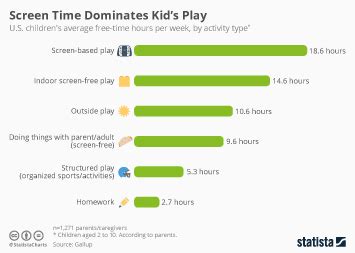
In today’s digitally saturated world, children are increasingly drawn to video games, offering immersive experiences and social connections. While digital play can provide entertainment, skill development, and even educational benefits, managing screen time effectively has become a paramount concern for parents. Striking the right balance between embracing technology and fostering a healthy, well-rounded childhood is a challenge many families face.
Understanding the Landscape of Kids’ Gaming
Video games are more sophisticated and accessible than ever before, ranging from educational apps to complex multiplayer online experiences. For children, gaming can be a source of fun, a way to connect with friends, and an avenue for problem-solving and strategic thinking. However, excessive or unchecked gaming can lead to issues such as sleep disruption, neglected homework, reduced physical activity, and social isolation from real-world interactions. Recognizing both the allure and potential pitfalls is the first step towards effective management.

Setting Clear Boundaries and Expectations
One of the most crucial elements of screen time management is establishing clear, consistent rules. These boundaries should not only define how much time kids can spend gaming but also when and where they can play. Involve your children in the discussion when creating these rules. This fosters a sense of ownership and makes them more likely to adhere to the agreed-upon limits. Discussing the ‘why’ behind the rules—explaining the importance of other activities like homework, outdoor play, and family time—can also be incredibly beneficial.
Consider using a visual timer or a shared family calendar to track screen time. Be prepared for resistance and have calm, consistent responses ready. The goal is not to eliminate gaming but to integrate it healthily into their daily routine.

Strategies for Effective Screen Time Management
Time-Based Limits
Implement daily or weekly time limits. For younger children, short bursts (e.g., 30 minutes) might be more appropriate, while older kids might handle longer sessions with clear breaks. Consider a “bank” system where children earn screen time for completing chores or homework.
Content-Based Choices
Not all screen time is equal. Encourage engagement with games that are age-appropriate, educational, or promote creativity. Research game ratings (ESRB in North America, PEGI in Europe) and understand the content your child is consuming.
Location-Based Rules
Designate specific areas for gaming, such as a family room, rather than bedrooms. This allows for easier monitoring and promotes family interaction. Avoid screens during meals or just before bedtime.
Encouraging a Balanced Digital and Real-World Life
The key to successful screen time management is not just limiting digital play, but actively promoting and facilitating alternative activities. Encourage participation in sports, creative hobbies, reading, outdoor adventures, and face-to-face social interactions. Schedule dedicated “screen-free” times for the entire family, such as during meals or specific evenings, to reinforce the value of real-world engagement. Lead by example; if you’re constantly on your phone, your children will mirror that behavior.

Leveraging Technology for Good
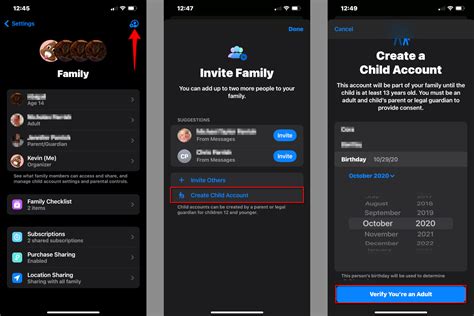
Many gaming consoles, mobile devices, and operating systems offer robust parental control features. Utilize these tools to set time limits, restrict access to inappropriate content, prevent unauthorized purchases, and even monitor activity. Educate yourself on the settings available and configure them to suit your family’s needs. These tools can be valuable allies in maintaining boundaries and ensuring a safer digital environment.
Communication is Key
Maintain an open and honest dialogue with your children about their gaming habits. Ask them about the games they enjoy, who they play with, and what they like about it. This shows interest and can uncover potential issues early. Address any concerns calmly and constructively, focusing on solutions rather than accusations. Teach them about responsible online behavior, digital citizenship, and the importance of privacy.

Conclusion
Managing kids’ gaming screen time is an ongoing process that requires patience, consistency, and adaptability. By setting clear boundaries, encouraging a diverse range of activities, utilizing available technological tools, and maintaining open communication, parents can guide their children toward a healthy and balanced relationship with digital play. The goal is not to demonize gaming but to empower children to enjoy it responsibly, ensuring it complements rather than dominates their lives.