How to manage kids’ game time for healthy digital habits?
In today’s interconnected world, video games are an undeniable part of most children’s lives. While they offer opportunities for learning, problem-solving, and social interaction, managing kids’ game time effectively is crucial for fostering healthy digital habits. The goal isn’t necessarily to eliminate gaming, but to integrate it into a balanced lifestyle that supports physical, emotional, and social development.
Understanding the Digital Playroom
Before setting rules, it’s important for parents to understand the games their children are playing. What are the benefits? What are the potential risks? Many games can enhance cognitive skills, creativity, and strategic thinking. However, excessive or unregulated play can lead to issues like sleep disruption, neglect of schoolwork, and reduced physical activity. Openly discussing these aspects with your child helps them understand your perspective, moving beyond simple prohibition to shared understanding.

Establishing Clear Boundaries and Rules
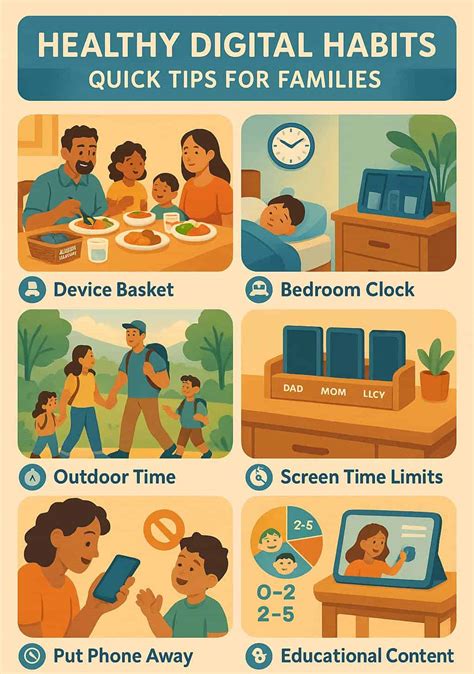
Consistency is key when it comes to managing game time. Work with your children to set clear, age-appropriate rules regarding when, where, and for how long they can play. This might include daily time limits (e.g., 30 minutes to an hour), specific times of day (e.g., after homework, before dinner), and designating screen-free zones or times (e.g., bedrooms, mealtimes). Parental control apps and console settings can be valuable tools to help enforce these boundaries, but they should complement, not replace, open dialogue.
Involve your children in the rule-making process. When they have a say, they are more likely to take ownership of the rules and adhere to them. Discuss consequences for breaking rules in advance, ensuring they are fair and understood. This collaborative approach empowers children while establishing necessary structure.
Engage, Don’t Just Monitor
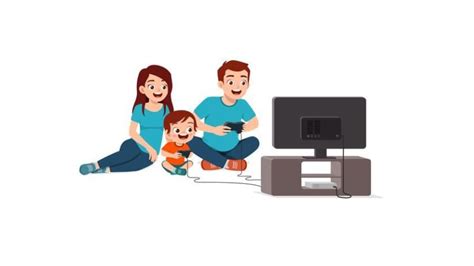
Show genuine interest in what your child is doing online. Ask them about their games, who they play with, and what they enjoy. Better yet, try playing with them! This not only gives you insight into their digital world but also creates a bonding opportunity. When you understand the content and context of their gaming, you can better guide them towards positive experiences and identify any concerning patterns.

Promoting a Balanced Lifestyle
Gaming should be one of many activities in a child’s life, not the sole focus. Encourage a diverse range of offline activities such as outdoor play, sports, reading, creative arts, and social interactions with friends and family. Schedule dedicated time for these activities and ensure they are given equal, if not greater, importance. A balanced schedule helps children develop a wide array of skills and interests, reducing over-reliance on digital entertainment.

Be the Role Model
Children learn by observing. Your own digital habits significantly influence theirs. Are you constantly checking your phone? Do you prioritize screen time over family interactions? Model responsible tech use by setting your own screen-free times, engaging in offline hobbies, and demonstrating mindfulness in your digital consumption. Discuss your own strategies for managing screen time and the importance of disconnecting.

Conclusion
Managing kids’ game time for healthy digital habits is an ongoing process that requires patience, communication, and adaptability. By setting clear boundaries, understanding their digital world, promoting diverse activities, and leading by example, parents can guide their children towards a balanced and enriching relationship with technology. The ultimate goal is to equip them with the skills to navigate the digital landscape responsibly and thrive in an increasingly connected world.