How to guide kids toward diverse, enriching games beyond popular trends?

Navigating the Digital Playground: Beyond the Hype
In today’s digital age, video games are an undeniable part of childhood. While popular titles like Fortnite, Roblox, and Minecraft offer social connections and entertainment, a vast and vibrant universe of diverse games often goes unnoticed by children drawn to the latest trends. As parents, guiding our kids beyond the mainstream can unlock a wealth of educational, creative, and emotionally enriching experiences that foster a broader range of skills and interests.
Why Look Beyond Popular Trends?
The gravitational pull of trending games is strong, driven by peer influence, marketing, and a fear of missing out (FOMO). However, exclusively sticking to these titles can have limitations:
- Repetitive Play: Many popular games, while fun, can become repetitive, offering limited scope for varied skill development.
- Missed Opportunities: Children might miss out on games that could spark new passions in history, science, art, or storytelling.
- Homogenized Experiences: A focus on only a few games can narrow a child’s understanding of game design, narrative structures, and cultural contexts.
- Skill Specialization: While some skills are honed, others like critical thinking, complex problem-solving, or creative expression might be less emphasized.

The Benefits of Diverse Gaming Experiences
Introducing children to a variety of game genres offers numerous developmental advantages:
- Cognitive Boost: Puzzle games enhance problem-solving; strategy games sharpen planning and foresight; narrative games improve comprehension and empathy.
- Creative Expression: Sandbox games, art games, and creation tools can be powerful outlets for imagination and design.
- Cultural & Historical Awareness: Games set in different historical periods or mythological worlds can inspire curiosity about diverse cultures and events.
- Emotional Intelligence: Story-driven games often explore complex themes, fostering empathy and emotional literacy.
- Expanded Interests: A game about space exploration might ignite an interest in astronomy; a city-building game could spark an interest in urban planning.
Practical Strategies for Parents
Guiding your child towards diverse games requires a proactive and open-minded approach. Here’s how to start:
-
Be a Game Explorer Yourself:
Research new games. Websites like Common Sense Media, educational game review sites, and indie game showcases (e.g., Steam, Itch.io) are excellent resources. Look for games that emphasize creativity, puzzles, strategy, or unique storytelling.
-
Play Together:
Discovering games with your child is a powerful way to introduce new experiences. Co-op games, family-friendly adventures, or even taking turns on a single-player puzzle game can open doors to shared enjoyment and discussion.
-
Encourage Critical Thinking, Not Just Consumption:
Instead of merely asking if a game is fun, prompt your child to think about why it’s fun. What makes this game different? What skills are they using? What story is it telling? This helps them analyze games beyond just their popularity.
-
Set “Discovery Time” or “Variety Rules”:
Allocate a portion of screen time specifically for exploring new or non-trending games. You might introduce a “two-game rule” where they can play one popular game and then must try something different.
-
Focus on the “Why,” Not Just the “What”:
Explain the benefits of different genres. “This puzzle game will make your brain stronger!” or “This building game lets you create anything you can imagine!” Connect games to real-world skills or interests.

Types of Enriching Games to Explore
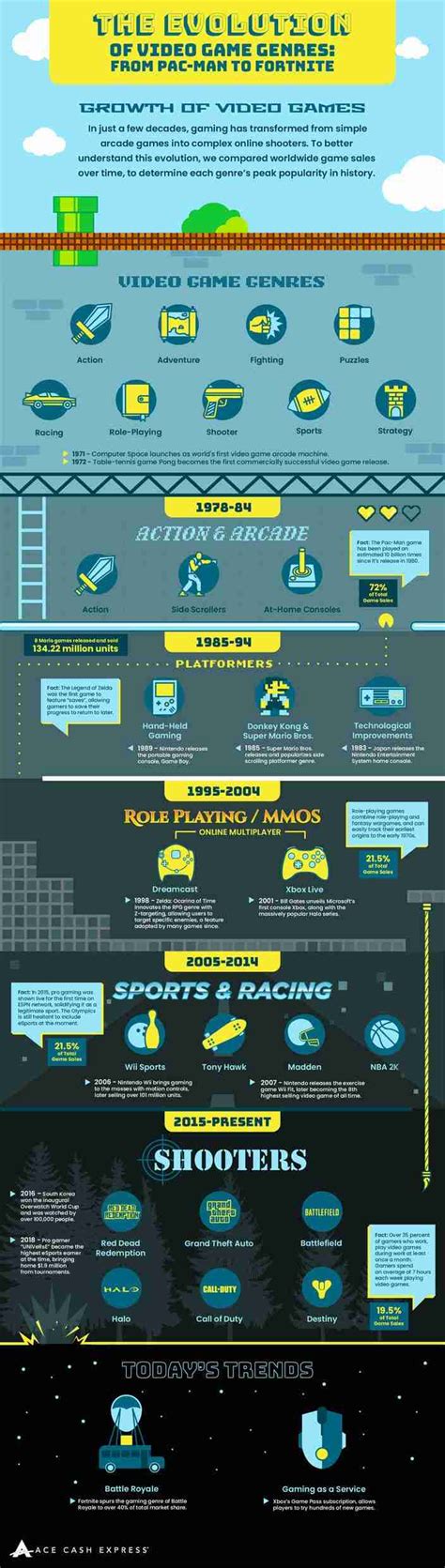
Consider introducing your children to these genres and examples (many are multi-platform):
-
Puzzle Games: Portal series (spatial reasoning, physics), Baba Is You (logic, rules manipulation), Human Fall Flat (physics puzzles, creativity).
-
Strategy Games: Civilization series (history, strategic planning), Slay the Spire (deck-building, critical decision making), Bad North (real-time strategy).
-
Simulation Games: Kerbal Space Program (physics, engineering), Cities: Skylines (urban planning, resource management), Stardew Valley (farming, social simulation, time management).
-
Creative & Sandbox Games: Minecraft (beyond survival mode, focusing on building and redstone engineering), Terraria (exploration, crafting, combat), Dreams (game creation), Roblox Studio (game creation within Roblox).
-
Narrative-Driven Adventures: Life is Strange (choice-based storytelling, empathy), Spiritfarer (emotional storytelling, resource management), Ori and the Blind Forest/Will of the Wisps (platforming, challenging puzzles, strong narrative).
-
Educational Games: Many apps and online platforms are designed for specific learning outcomes (e.g., Prodigy for math, Tynker for coding).
Conclusion: Fostering Discerning Players
The goal isn’t to ban popular games, but to broaden horizons. By actively guiding children towards diverse and enriching gaming experiences, parents can help them develop a more discerning taste, foster a wider range of skills, and cultivate a lifelong love for exploration and learning, whether on or off the screen. Empower your child to be an explorer, not just a follower, in the vast world of digital entertainment.