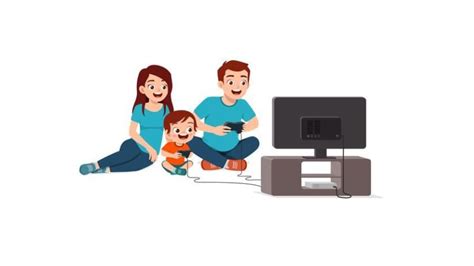
How to find engaging, educational games for kids that also manage screen time?

Navigating the Digital Playground: Education Meets Engagement
In today’s digital age, screens are an undeniable part of children’s lives. For parents, the challenge lies not just in limiting screen time, but in making that time count. The goal is to find games that are not only deeply engaging but also genuinely educational, fostering learning and development without becoming a source of constant conflict over usage.
Striking this balance requires a thoughtful approach, combining careful selection with consistent screen time management strategies. Let’s explore how to transform screen time from a passive activity into an active learning adventure.

What Makes a Game Truly Educational and Engaging?
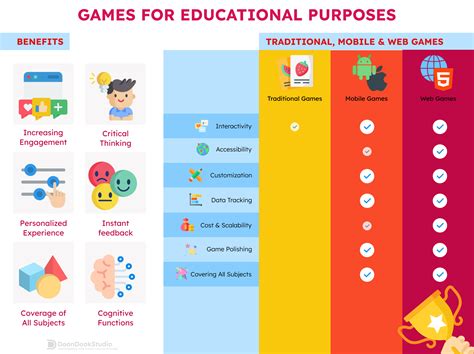
Not all games are created equal. To discern quality, consider these key attributes:
- Clear Learning Objectives: Does the game have a specific educational goal, such as improving math skills, fostering literacy, or teaching critical thinking? Learning should be integrated, not just an afterthought.
- Interactive and Adaptive: The best educational games respond to the child’s progress, adjusting difficulty levels to keep them challenged but not frustrated. This personalized learning path enhances engagement.
- Fun and Playful: Learning should be enjoyable. Games that incorporate storytelling, creative challenges, and positive reinforcement keep children motivated to continue playing and learning.
- Age-Appropriate Content: Ensure the game’s themes, complexity, and mechanics align with your child’s developmental stage. Too simple, and they’ll bore; too complex, and they’ll give up.
- Minimal Ads/In-App Purchases: Unnecessary distractions or pressure to spend can detract from the learning experience and raise parental concerns.
Strategies for Discovering Quality Games
Finding these gems requires a bit of research and a discerning eye:
- Read Reviews and Recommendations: Look for trusted sources like educational technology websites, parenting blogs, and reputable app review sites that specifically focus on children’s apps. Peer recommendations from other parents can also be invaluable.
- Explore App Store Categories: Utilize specific categories like ‘Education,’ ‘Kids,’ or ‘Learning’ within app stores. Many platforms offer ‘Editor’s Choice’ or ‘Best for Learning’ sections.
- Check Developer Reputation: Some developers specialize in educational content. Research their other offerings to gauge their commitment to learning and child-friendly design.
- Trial and Error (with Supervision): Download free versions or watch gameplay videos to get a feel for the game before committing. Play alongside your child initially to assess its value and suitability.
- Look for Curriculum Alignment: Some apps explicitly state alignment with educational standards (e.g., Common Core). This can be a strong indicator of their pedagogical quality.

Effective Screen Time Management Techniques
Even the best educational game needs boundaries. Here’s how to manage screen time effectively:
- Set Clear Rules and Limits: Establish consistent daily or weekly screen time allowances. Communicate these rules clearly to your children and explain the reasoning behind them.
- Use Device Controls and Apps: Many devices and routers offer parental control features that allow you to set time limits, block certain content, or schedule ‘downtime.’ Third-party apps can also provide more robust management.
- Create a ‘Screen Time Schedule’: Designate specific times for screen use, perhaps after homework or during quiet play periods. Avoid screens during meals or just before bedtime.
- Encourage Offline Alternatives: Balance screen time with plenty of opportunities for outdoor play, reading, creative arts, and social interaction. Offer engaging alternatives that naturally draw children away from devices.
- Model Good Behavior: Children learn by example. Be mindful of your own screen habits and demonstrate a healthy balance between digital and real-world activities.
- Co-Play and Engage: When possible, play educational games with your child. This allows you to understand the game better, discuss what they are learning, and turn screen time into bonding time.

Conclusion: A Balanced Approach to Digital Learning
Finding engaging, educational games for kids that also manage screen time is an ongoing process, not a one-time fix. It requires parental involvement, continuous evaluation, and a commitment to creating a balanced digital diet. By prioritizing quality over quantity, setting clear boundaries, and fostering open communication, you can harness the power of technology to support your child’s learning journey while ensuring their overall well-being. Embrace the digital playground as an opportunity for growth, carefully curated by you, the guiding hand.