How to find age-appropriate games & understand PEGI/ESRB ratings?

In today’s digital age, video games are a significant part of many children’s lives. While they offer entertainment, educational value, and social interaction, navigating the vast world of gaming to find what’s appropriate for your child can be a challenge. Understanding game content rating systems like PEGI and ESRB is crucial for parents to make informed decisions and ensure their children have a safe and enriching gaming experience.
What Are Game Content Ratings and Why Do They Matter?
Game content ratings are designed to provide consumers, especially parents, with clear information about the nature of a game’s content. They indicate the recommended age for players and highlight specific content that might be present, such as violence, strong language, or sexual themes. These ratings aren’t just about protecting children from mature content; they also help parents align game choices with their family’s values and what they deem suitable for their child’s developmental stage.

Understanding PEGI (Pan European Game Information)
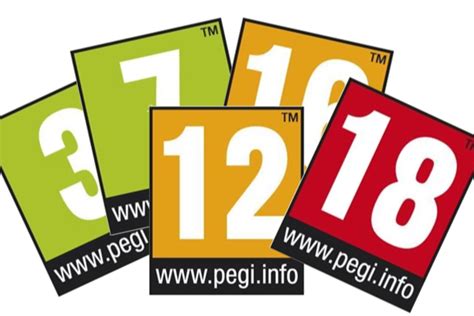
PEGI is the most widely recognized age rating system in Europe, used in over 38 countries. It provides age recommendations and content descriptors to help parents choose games. The age labels indicate the minimum age for which the content is considered appropriate, not the difficulty level.
PEGI Age Labels:
- PEGI 3: Content is suitable for all age groups. Contains no sounds or images that are likely to frighten young children.
- PEGI 7: Game content that might frighten younger children is acceptable.
- PEGI 12: Games with mild violence, nudity, or bad language. Gambling is also indicated at this level.
- PEGI 16: Realistic violence, sexual activity, or drug use.
- PEGI 18: Adult content. Features gross violence, explicit sexual activity, or promotion of drug use.
PEGI Content Descriptors:
In addition to age labels, PEGI uses icons to denote specific content:
- Violence: Depictions of violence.
- Bad Language: Use of offensive language.
- Fear: Contains images or sounds that may frighten young children.
- Sex: Contains sexual references or nudity.
- Drugs: Refers to or depicts drug use.
- Gambling: Encourages or teaches gambling.
- Discrimination: Depictions of discrimination.
- In-Game Purchases: Offers optional digital purchases.
Understanding ESRB (Entertainment Software Rating Board)
The ESRB is the primary rating system for video games in the United States and Canada. Like PEGI, it assigns age ratings and content descriptors, but with its own specific categories and icons.
ESRB Rating Categories:
- EC (Early Childhood): Content created for young children, typically ages 3 and up.
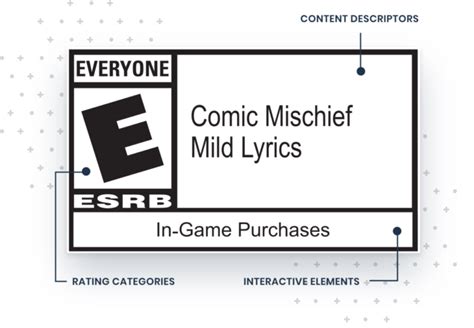
- E (Everyone): Content generally suitable for all ages. May contain minimal cartoon, fantasy or mild violence and/or infrequent mild language.
- E10+ (Everyone 10+): Content generally suitable for ages 10 and up. May contain more cartoon, fantasy or mild violence, mild language, and/or minimal suggestive themes.
- T (Teen): Content generally suitable for ages 13 and up. May contain violence, suggestive themes, crude humor, minimal blood, simulated gambling, and/or infrequent use of strong language.
- M (Mature): Content generally suitable for ages 17 and up. May contain intense violence, blood and gore, sexual content, and/or strong language.
- AO (Adults Only): Content suitable only for adults ages 18 and up. May include prolonged scenes of intense violence, graphic sexual content, and/or gambling with real currency.
ESRB Content Descriptors:
ESRB also uses various content descriptors to provide more detail:
- Animated Blood, Blood, Blood and Gore
- Crude Humor, Drug Reference, Fantasy Violence
- Intense Violence, Language, Lyrics
- Nudity, Partial Nudity, Sexual Content, Sexual Themes
- Simulated Gambling, Strong Language, Suggestive Themes
- Use of Alcohol, Use of Drugs, Use of Tobacco
How to Use Ratings Effectively for Your Family
While ratings are an excellent starting point, a comprehensive approach involves more than just looking at the age number on the box:
- Look Beyond the Age Number: An age rating is a general guideline. Always check the specific content descriptors to understand what elements might be present. A PEGI 12 game, for example, might be rated for mild violence or for gambling, which are very different concerns.
- Watch Gameplay Trailers and Read Reviews: Before purchasing, watch official gameplay trailers or read reviews from reputable gaming sites. This gives you a better sense of the game’s tone, themes, and actual content.
- Talk to Your Child: Engage your child in conversations about the games they are interested in. Ask them why they want to play a particular game and discuss your concerns openly.
- Set Parental Controls: Most gaming consoles, PCs, and mobile devices offer parental control settings that allow you to restrict access based on rating systems, limit playtime, and manage purchases. Learn how to use these tools effectively.

Beyond the Ratings: Other Factors to Consider
Game ratings primarily focus on content within the game itself. However, other aspects of modern gaming require parental attention:
- Online Interactions: Many games feature online multiplayer modes where children can interact with strangers. Be aware of communication features (voice chat, text chat) and educate your child about online safety and appropriate behavior.
- In-Game Purchases & Loot Boxes: Games often include options for in-game purchases, ranging from cosmetic items to “loot boxes” that offer random virtual items. These can lead to unexpected costs. Ensure settings are in place to prevent unauthorized spending.
- Screen Time Management: Regardless of content, excessive screen time can be detrimental. Establish clear rules and limits for gaming sessions to promote a balanced lifestyle.
Empowering yourself with knowledge about game ratings and actively engaging in your child’s gaming world allows you to make confident choices. By understanding PEGI and ESRB ratings, and considering broader aspects of digital safety, you can foster a healthy and enjoyable gaming environment for your family.