How to find age-appropriate games & manage screen time effectively?
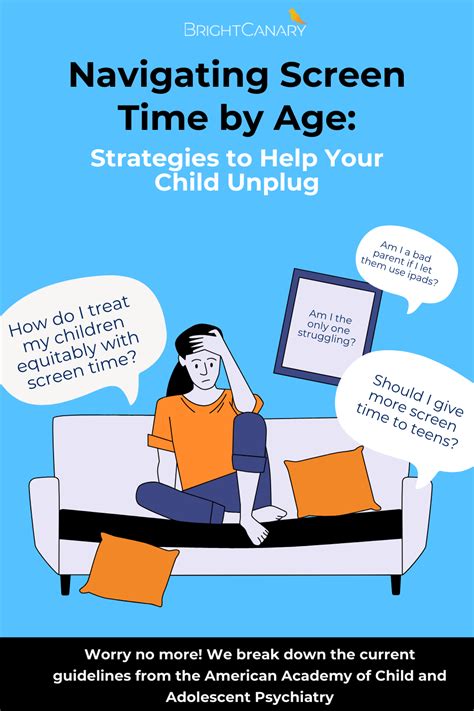
The Digital Dilemma: Guiding Children Through Games and Screens
In today’s digitally saturated world, parents face the dual challenge of identifying engaging yet age-appropriate games for their children while simultaneously managing screen time effectively. It’s a balancing act that requires understanding, communication, and clear boundaries to ensure a healthy relationship with technology.
Decoding Age-Appropriateness in Games
Finding games that align with a child’s developmental stage and maturity is crucial for a positive experience. Not all games are created equal, and what’s suitable for a teenager might be overwhelming or inappropriate for a younger child.

Utilize Rating Systems
- ESRB (Entertainment Software Rating Board) and PEGI (Pan European Game Information): These systems provide age recommendations and content descriptors (e.g., violence, language, suggestive themes). Always check these ratings before allowing your child to play a new game.
- Read Content Descriptors: Don’t just look at the age number; delve into the specific content warnings. A game rated ‘E for Everyone’ might still have mild fantasy violence that some parents prefer to avoid for very young children.
Research and Reviews
Beyond official ratings, seek out reviews from trusted parenting websites, educational technology blogs, and even other parents. These resources often offer insights into gameplay, educational value, and potential pitfalls that formal ratings might not fully capture. Watching gameplay videos can also give you a clear picture.
Effective Strategies for Screen Time Management
Once you’ve found suitable games, the next step is managing when and how long your children engage with screens. Consistency and clear communication are key.
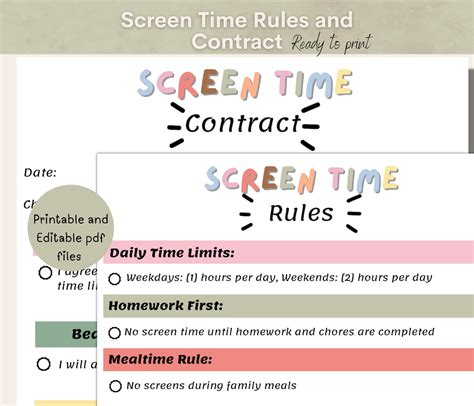
Set Clear Boundaries and Expectations
- Establish Time Limits: Work with your children to decide on daily or weekly screen time allowances. These limits should be reasonable and consider schoolwork, extracurriculars, and other responsibilities.
- Designate Screen-Free Zones/Times: Implement rules like no screens during meals, an hour before bedtime, or in bedrooms. This promotes family interaction and better sleep hygiene.
- Create a Family Media Plan: The American Academy of Pediatrics offers resources to help families create personalized media plans that outline rules for content, time, and device usage for each family member.
Leverage Technology for Support
Many devices and platforms offer built-in parental controls that can be invaluable tools:

- Operating System Controls: iOS Screen Time, Android Digital Wellbeing, and Windows Family Safety allow you to set time limits, restrict app usage, and filter content.
- Console and Game-Specific Settings: PlayStation, Xbox, and Nintendo all have robust parental control features that can limit game access based on ratings, restrict purchases, and manage online interactions.
- Router-Level Controls: Some home routers allow you to pause internet access for specific devices at certain times.
Balancing Digital Play with Real-World Engagement
Effective screen time management isn’t just about limiting digital exposure; it’s also about promoting a rich array of offline activities that foster holistic development.
Encourage Diverse Activities
Ensure your child has ample opportunities for physical play, reading, creative arts, social interaction, and outdoor exploration. These activities are vital for cognitive development, physical health, and emotional well-being. Make sure screens don’t replace these essential experiences.

Be a Role Model
Children learn by observing. Demonstrate healthy screen habits yourself by putting away your phone during family time, engaging in non-digital hobbies, and talking about your own digital limits.
Communication and Flexibility are Key
The digital landscape is constantly evolving, as are your children. Regular conversations about their online experiences, what they enjoy, and why are essential. Be open to reviewing and adjusting rules as they grow and mature, fostering an environment of trust and understanding.

By taking an informed, proactive, and communicative approach to both game selection and screen time management, parents can empower their children to enjoy the benefits of digital play safely and responsibly, while ensuring they also thrive in the real world.