How to ensure online game safety for kids & pick age-appropriate titles?

In today’s digital age, online gaming has become a pervasive form of entertainment for children, offering opportunities for social interaction, problem-solving, and creative expression. However, this vibrant virtual world also presents a unique set of challenges and risks that parents must navigate to ensure their children’s safety and well-being. From exposure to inappropriate content and cyberbullying to privacy concerns and the allure of excessive screen time, understanding these potential pitfalls is the first step towards creating a secure and enriching gaming experience. This guide will equip parents with the knowledge and tools to implement effective safety measures and confidently select games that align with their child’s age and developmental stage.
Understanding the Digital Landscape: Potential Risks for Young Gamers
The online gaming environment, while engaging, can harbor various dangers. Children may unwittingly encounter mature content, offensive language, or even predatory behavior in unmoderated chat rooms. Cyberbullying, a prevalent issue, can manifest through in-game harassment or exclusion. Furthermore, privacy breaches are a concern, as many games collect personal data, and children might inadvertently share too much information. The addictive nature of some games, coupled with in-game purchases (microtransactions), can also lead to financial issues or neglect of real-world responsibilities.

Implementing Robust Online Safety Measures
Proactive parental involvement is crucial. Start by utilizing built-in parental controls available on gaming consoles, PCs, and mobile devices. These tools allow you to manage screen time, restrict access to certain games, filter content, and control communication features. Always review and adjust privacy settings within games and on gaming platforms, ensuring your child’s profile is not publicly visible and that personal information is not shared.
Open communication is key. Talk to your children about the risks of online gaming, emphasizing the importance of never sharing personal details (name, address, school, photos) with strangers. Teach them what to do if they encounter something uncomfortable or inappropriate – report it to you immediately and block the user. Establish clear rules about online conduct, emphasizing respectful interaction and digital etiquette.
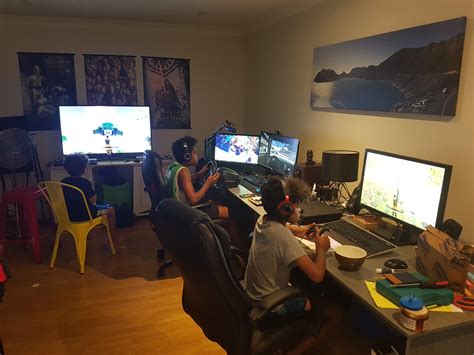
Consider monitoring their gameplay, especially for younger children. This doesn’t mean hovering, but understanding the games they play, who they play with, and the nature of their interactions. For multiplayer games, encourage them to play with friends they know in real life or in well-moderated environments. Setting clear time limits and sticking to them can prevent excessive gaming and ensure a healthy balance with other activities like homework, outdoor play, and family time.

Picking Age-Appropriate Titles: A Guide to Informed Choices
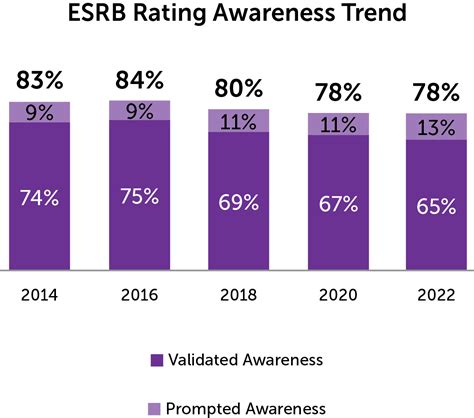
Selecting the right games is as important as implementing safety controls. The primary tool for this is game ratings. In North America, the ESRB (Entertainment Software Rating Board) provides ratings like E (Everyone), E10+ (Everyone 10+), T (Teen), M (Mature 17+), and AO (Adults Only). Each rating comes with content descriptors detailing specific elements like violence, language, or crude humor. In Europe, PEGI (Pan European Game Information) serves a similar purpose.
Don’t just rely on the age rating; read the content descriptors carefully. Beyond ratings, conduct your own research. Read reviews from reputable gaming sites, watch gameplay videos, and discuss games with other parents. Better yet, play the game yourself or watch your child play before they get too deeply involved. This gives you firsthand insight into the game’s mechanics, content, and community.
Pay attention to the type of game. Multiplayer online games often involve open chat features, which can be difficult to monitor. Single-player story-driven games or cooperative puzzle games might be safer options for younger children. Be wary of “free-to-play” games that heavily promote in-game purchases, as these can subtly encourage spending and create frustration.
Fostering Responsible Digital Habits and Digital Citizenship
Beyond safety, it’s essential to teach children responsible digital citizenship. Explain that their online actions have real-world consequences and that respectful behavior is paramount. Encourage them to report any bullying or inappropriate behavior they witness, not just if it’s directed at them. Discuss the importance of a healthy balance between online and offline activities.
Encourage creativity and critical thinking through gaming. Some games offer educational value, foster problem-solving skills, or encourage collaboration. Leverage these positive aspects while mitigating the negative ones. Lead by example; demonstrate healthy screen time habits and show interest in their gaming world without being judgmental.
Conclusion: A Continuous Journey of Guidance
Ensuring online game safety and picking age-appropriate titles for children is not a one-time setup but an ongoing conversation and adjustment. The digital landscape evolves rapidly, as do children’s interests and developmental needs. By staying informed, implementing consistent safety measures, fostering open communication, and guiding their choices, parents can empower their children to enjoy the benefits of online gaming responsibly and safely, transforming potential risks into opportunities for growth and fun.