How to effectively test How-To clarity with users?

Why Testing How-To Clarity is Non-Negotiable
Creating comprehensive How-To guides is only half the battle; ensuring users can actually *follow* them effectively is the ultimate goal. Assumptions about user knowledge or intuitive design can lead to frustration, errors, and abandonment. Effective user testing of How-To clarity allows you to identify pain points, ambiguities, and logical gaps before they impact your audience, ultimately leading to more successful user experiences and reduced support queries.
The Foundation: Preparation is Key
A well-planned testing phase is crucial for gathering meaningful insights. Rushing this stage can lead to vague feedback or missed critical issues.
Define Your Target Audience
Before testing, clearly identify who your How-To guides are for. Their prior knowledge, technical proficiency, and goals will heavily influence how they interpret your instructions. Recruit participants who accurately represent this target demographic to ensure relevant feedback.
Select Specific Guides & Tasks
Don’t try to test everything at once. Choose a manageable number of How-To guides or specific tasks within them that are critical, frequently used, or known to be challenging. Develop realistic scenarios that prompt users to interact with these guides naturally.
Develop a Robust Test Plan
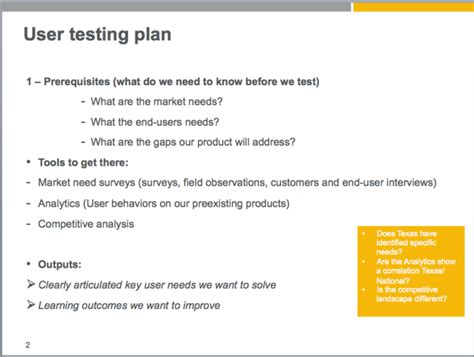
Your test plan should outline the objectives, methodology, tasks, metrics for success (e.g., task completion rate, time on task, number of errors), and a script for facilitators. Clear instructions for participants and consistent questioning will yield comparable data.
Effective Testing Methodologies
Various methods can shed light on how users perceive and utilize your How-To content. A combination often provides the most comprehensive understanding.
Task-Based Usability Testing with Think-Aloud
This is arguably the most direct way to test clarity. Provide users with a specific task and ask them to perform it using your How-To guide. Crucially, encourage them to “think aloud” as they go, verbalizing their thought process, confusion, and expectations.
- What to observe: Where do they pause? Do they re-read sections? Do they skip steps? What errors do they make? How do they recover?
- Metrics: Task completion rate, time taken, number of errors, number of times they refer back to the guide.
Post-Task Questionnaires and Surveys
After a user attempts a task, a brief questionnaire can capture their subjective experience of clarity. Standardized scales like the System Usability Scale (SUS) can be adapted, or you can create custom questions focusing on:
- How easy was it to understand the instructions?
- How confident were you that you were performing the steps correctly?
- Were there any confusing terms or jargon?
In-Depth User Interviews
Following a task or survey, a one-on-one interview allows you to dig deeper into specific observations. Ask open-ended questions like “Why did you pause at that step?” or “What did you expect to happen when you clicked there?” This qualitative data provides rich context to quantitative results.
Pilot Testing Your Test Plan
Always run a pilot test with a colleague or a small group of users who aren’t part of your main testing pool. This helps iron out any kinks in your test plan, ensure the tasks are clear, the timing is realistic, and your questions are unambiguous. It’s a test of your test!
Analyzing Findings and Iterating
Once testing is complete, the real work of improving clarity begins. Systematically analyze your data to identify patterns and actionable insights.
- Synthesize Data: Compile all observations, survey responses, and interview notes. Look for recurring themes in user confusion or error.
- Prioritize Issues: Not all clarity issues are equal. Prioritize problems based on their frequency, severity, and impact on the user’s ability to complete critical tasks.
- Formulate Recommendations: Translate findings into concrete, actionable recommendations for revising the How-To guides. This might involve simplifying language, adding screenshots, reorganizing steps, or providing more context.
- Iterate and Re-Test: Implement the changes and, if resources allow, conduct another round of testing to confirm that the revisions have indeed improved clarity and usability.
Best Practices for Maximizing Clarity Testing
- Recruit Representative Users: The more your participants resemble your actual users, the more relevant your findings will be.
- Facilitate Neutrally: Avoid leading questions or offering help unless absolutely necessary. The goal is to see how users cope independently.
- Focus on Behavior, Not Just Opinion: While opinions are valuable, observing what users *do* often reveals more profound clarity issues than what they *say*.
- Record Sessions (with Consent): Video and audio recordings are invaluable for review, analysis, and sharing insights with your team.
- Test Frequently and Iteratively: Small, frequent rounds of testing throughout the development lifecycle are more effective than one large test at the end.
Conclusion
Testing How-To clarity with users is not merely a quality assurance step; it’s an investment in your users’ success and your product’s reputation. By systematically observing, questioning, and analyzing user interactions with your guides, you can transform confusing instructions into crystal-clear pathways, empowering your audience and fostering a more positive overall experience.